Hello, dear plant enthusiasts! It’s your favourite botanist here, thrilled to share with you the magical world of epiphytes—those captivating plants that seem to defy gravity by thriving in the air. With my years of experience growing, maintaining, arranging, and displaying flowers and plants, I’m excited to guide you through the essentials of epiphytes. By the end of this blog, you’ll have a clear and precise understanding of these unique beauties and perhaps even feel inspired to welcome them into your own green spaces. Let’s dive in!
What Are Epiphytes?
Epiphytes are extraordinary plants that grow on other plants, typically trees, without taking nutrients or water from them. Unlike parasites, epiphytes are self-sufficient, using their host merely as a perch to reach sunlight and capture moisture from the air. The term “epiphyte” comes from the Greek words epi (upon) and phyton (plant), perfectly describing their lifestyle of living “upon” others. You’ve likely encountered famous examples like orchids, bromeliads, and certain ferns, stars of the epiphytic world!
Where Do Epiphytes Thrive?
In nature, epiphytes flourish in diverse environments, but they’re most abundant in tropical rainforests, where high humidity, frequent rain, and tall trees create ideal conditions. They cling to branches, trunks, and even rocks, basking in dappled sunlight and sipping moisture from mist, dew, or rainfall. Some, like the Spanish moss draping southern oaks, also appear in temperate regions. Their adaptability is a testament to nature’s ingenuity, and I’ve spent countless hours marvelling at their resilience in the wild and nurturing them in gardens.
How Do Epiphytes Survive?
Epiphytes have evolved remarkable strategies to thrive without soil:
Roots for Anchoring and Absorption: Their roots grip hosts tightly, while specialised structures like aerial roots absorb water and nutrients from the air or trapped debris. Orchids, for instance, have thick, spongy roots that soak up moisture like tiny sponges.
Water Storage: Many epiphytes, such as bromeliads, form rosettes of leaves that create a “tank” to collect rainwater and organic matter. I’ve always found it delightful to peek into these natural cups and see tiny ecosystems at work!
Efficient Nutrient Use: They snatch nutrients from dust, decaying leaves, or even bird droppings, making them masters of resourcefulness.
Popular Epiphytes to Know
Here are a few epiphytes I adore working with and displaying:
Orchids: With their stunning blooms, orchids like Phalaenopsis or Cattleya are epiphytic gems. They’re perfect for beginners, needing just a bark mount and occasional misting.
Bromeliads: Think of the vibrant Tillandsia (air plants) or Guzmania with their colourful bracts. These are a joy to arrange in creative displays—try hanging them in glass orbs!
Ferns: The staghorn fern (Platycerium) with its antler-like fronds is a showstopper. I love mounting them on wooden plaques for a rustic look.
Spanish Moss: This flowing Tillandsia usneoides adds a whimsical touch, draping beautifully over branches or in arrangements.
Growing and Maintaining Epiphytes
Caring for epiphytes is easier than you might think, and I’m here to encourage you to give it a try! Here’s how:
Light: Provide bright, indirect light—mimic the filtered sun of a forest canopy. A north or east-facing window works well indoors.
Water: Mist or soak them weekly, depending on humidity. I often dunk my air plants in water for 10-15 minutes, then shake off excess to prevent rot.
Mounting: Skip soil! Attach them to bark, wood, or moss-covered boards with wire or glue. I’ve had great fun experimenting with driftwood displays.
Humidity: Aim for 50-70% humidity. In dry climates, a humidifier or a pebble tray with water does wonders.
Airflow: Good circulation prevents fungal issues. A gentle fan can replicate the breezy treetops they love.
Arranging and Displaying Epiphytes
Epiphytes are a dream for creative displays! I’ve spent years perfecting arrangements, and here are my favorite tips:
Hanging Gardens: Suspend air plants or orchids in clear containers or macramé hangers for a floating effect.
Living Walls: Mount staghorn ferns and bromeliads on a vertical board for a stunning focal point.
Accents: Tuck Spanish moss into wreaths or around potted plants for texture. I once designed a table centrepiece with moss and orchids—my readers loved it!
Why Epiphytes Matter
Beyond their beauty, epiphytes play a vital role in ecosystems, providing homes for birds, insects, and frogs. They remind us to appreciate nature’s creativity and adaptability. Growing them at home connects you to this magic, and I promise the journey is rewarding. Whether you’re a novice or a seasoned gardener, epiphytes offer endless possibilities to explore and enjoy.
Your Next Step
Ready to embrace epiphytes? Start small with a Tillandsia or a beginner-friendly orchid. Experiment, observe, and don’t be afraid to make mistakes—every plant teaches us something new. I’d love to hear about your adventures, so share your stories and photos with me!
With green thumbs and big dreams, Your Devoted Botanist
Asteraceae, the daisy family, features sunflowers, zinnias, and echinacea with composite flowers. Pollinator-friendly and easy to grow, they shine in garden displays and flower arranging.
A Love Letter to Asteraceae: The Starry Wonders of the Daisy Family
Hello, dear plant lovers!
It’s your favourite botanist here, ready to whisk you into the radiant world of the Asteraceae family, those delightful, starry blooms that seem to wink at us from gardens, meadows, and even cracks in the sidewalk.
Asteraceae is a botanical superstar known as the daisy, sunflower, or composite family, and I’m thrilled to share its secrets with you. Whether you’re a seasoned grower or just starting to dabble in the joys of flowers, this family will capture your heart with its diversity, resilience, and charm. Let’s dive in with clear, encouraging steps to understand, grow, and display these floral gems!
What is Asteraceae? A Family of Floral Fireworks
Asteraceae is one of the most prominent plant families, boasting over 32,000 species across roughly 1,900 genera. You’ve met them before: sunflowers, daisies, chrysanthemums, zinnias, dandelions, and even lettuce (yes, it’s a member!). Their hallmark is the composite flower head, a clever trick where what looks like a single flower is actually a cluster of tiny florets working together to create a dazzling display. This family’s name comes from the Greek word aster, meaning “star.” Their blooms truly shine like constellations in the plant kingdom.
Each flower head, or capitulum, consists of:
Disc florets: The tiny, tubular flowers in the centre, often forming the “eye” of the bloom (like the yellow centre of a daisy).
Ray florets: The petal-like structures radiating outward, stealing the show (think of a sunflower’s golden rays). Some species, like dandelions, have only ray florets, while others, like thistles, stick to disc florets. This versatility makes Asteraceae a master of adaptation.
Beyond flowers, this family includes edibles (artichokes, endive), medicinal plants (echinacea, chamomile), and even pesky weeds (ragweed). Their ability to thrive in diverse climates from scorching deserts to chilly mountains makes them a gardener’s dream and a testament to nature’s ingenuity.
Why Grow Asteraceae? The Joy of Starry Blooms
As a botanist, I adore Asteraceae for their ease of growth, vibrant colours, and ecological benefits.
Here’s why you should invite them into your garden:
Beginner-friendly: From cosmos to marigolds, many are forgiving and flourish with minimal fuss. Pollinator magnets: Bees, butterflies, and birds flock to their nectar-rich heads, boosting biodiversity.Long-lasting beauty: Their sturdy blooms shine in gardens and vases, often lasting weeks.
Versatility: Use them in borders, containers, or wildflower meadows, and enjoy blooms from spring to frost.
Growing Asteraceae: Tips for SuccessReady to grow your own starry blooms? Here’s how to cultivate Asteraceae with confidence, based on my years of coaxing these beauties to thrive:
Choose the Right Spot
Most Asteraceae love full sun (6+ hours daily) and well-drained soil. Sunflowers and zinnias demand bright light, while asters and coneflowers tolerate partial shade. Check your garden’s light conditions and pick species accordingly. For example: Sunflowers (Helianthus annuus): Perfect for sunny, open spaces.
Asters (Symphyotrichum): Great for shadier corners with rich soil.
Prepare the Soil
These plants aren’t picky but prefer loamy, well-draining soil with a neutral pH (6.0–7.0). Work in compost or organic matter to boost fertility, especially for heavy feeders like chrysanthemums. If drainage is poor, consider raised beds Daisies hate soggy feet!
Sow or Plant
Seeds: Many Asteraceae, like cosmos and zinnias, are easily grown from seed. Sow directly in spring after the last frost, or start indoors 4–6 weeks earlier for a head start. Space seeds according to packet instructions (e.g., sunflowers need 12–18 inches).
Transplants: For perennials like echinacea or asters, buy young plants from a nursery. Plant at the same depth as their pot, spacing 12–24 inches apart to allow air circulation. Water Wisely
Keep the soil moist but not waterlogged during germination and early growth. Once established, most Asteraceae are drought-tolerant and should be watered deeply once a week during dry spells. Avoid overhead watering to prevent fungal issues, especially with dahlias or zinnias.
Feed and Maintain
Apply a balanced fertiliser (10-10-10) monthly during the growing season for annuals like marigolds. Perennials like coneflowers need less, just a spring compost top-up. Deadhead spent blooms to encourage more flowers and pinch back leggy stems (e.g., on cosmos) for bushier growth. Watch for Pests
Aphids and spider mites occasionally target Asteraceae. Blast them off with a hose or use insecticidal soap. Powdery mildew can strike zinnias or asters in humid conditions. Ensure good spacing and avoid wet foliage.
Arranging Asteraceae: From Garden to Vase
Asteraceae blooms are born for bouquets, with their bold shapes and lasting vibrancy. Here’s how to showcase them:
Cut at the Right Time: Harvest early in the morning when buds are just opening. Use sharp scissors and cut stems at an angle.
Mix and Match: Pair bold sunflowers with delicate cosmos or vibrant dahlias with soft asters for contrast. Add greenery like fern or eucalyptus for texture.
Vase Tips: Strip lower leaves to prevent rot, change water every 2 days, and add a pinch of sugar to extend vase life (up to 10 days for zinnias!).
Garden Displays: Create stunning borders with tall sunflowers at the back, mid-height coneflowers, and low-growing marigolds in front or scatter cosmos in a cottage garden for a whimsical vibe.
Fun Facts to Impress Your Friends
Dandelion Wishes: Each dandelion puff is a cluster of tiny fruits (achenes) with its own parachute for wind dispersal. Sunflower Smarts: Sunflowers exhibit heliotropism, turning their heads to follow the sun daily. Edible Artichokes: That tasty artichoke heart is actually a cluster of immature disc florets! Troubleshooting Common Issues Leggy Plants: Too little light or overcrowding. Thin seedlings and ensure full sun. Yellow Leaves: Overwatering or nutrient deficiency. Check drainage and fertilise lightly. No Blooms: Too much nitrogen or insufficient light. Switch to a bloom-boosting fertiliser (5-10-5) and relocate to a sunnier spot.
Encouragement for Your Journey Dear reader, the Asteraceae family is your ticket to a garden bursting with colour and life. Start small, perhaps a pot of zinnias or a row of sunflowers, and watch these starry blooms reward your care with endless cheer.
Their resilience mirrors your own potential as a grower, so don’t fear mistakes; every wilted leaf is a lesson, and every blossom is a victory. Visit your local nursery, grab some seeds, and let Asteraceae light up your world. Share your successes (and questions!) with me, I’m rooting for you! Happy planting, Your Friendly Botanist 🌼
Imagine stumbling upon a flower so delicate it seems to float like a butterfly, its petals painted in colours that rival a sunset. This is the magic of an orchid, a plant that feels like a gift from nature’s imagination.
With over 25,000 species, the Orchidaceae family is one of the largest and most diverse groups of flowering plants on Earth, thriving everywhere from steamy rainforests to chilly mountain slopes. Orchids captivate us with their breath taking beauty, their clever survival tricks, and their deep cultural meanings, symbolising love, luxury, beauty, and strength. Whether you’re a gardener, a nature lover, or just curious, orchids have a story to tell.
We’ll journey through their fascinating world, exploring how they grow, their unique features, their cunning pollination strategies, some famous types, and the powerful symbolism that makes them so special. Let’s dive into the enchanting realm of orchids!
Habit and Growth Types
Orchids are like the adventurers of the plant world, thriving in environments as varied as tropical jungles, grassy meadows, and rocky cliffs. They’ve mastered the art of survival, adapting to climates from the humid Amazon to the cool Alps. Unlike many plants that stick to one way of life, orchids have three main growth styles, epiphytic, terrestrial, and lithophytic, each showcasing their incredible versatility.
Epiphytic orchids are the free spirits of the family. They don’t grow in soil but perch on other plants, usually trees, like birds nesting in branches. These “air plants” aren’t parasites; they don’t steal from their hosts. Instead, their roots dangle in the air, soaking up moisture and nutrients from rain, fog, or even dust. Picture a rainforest canopy, where epiphytic orchids cling to tree bark, their vibrant flowers bursting against lush green leaves. Many orchids in tropical regions, like those in Costa Rica, live this treetop life, basking in dappled sunlight.
Terrestrial orchids, on the other hand, prefer to keep their feet on the ground. These orchids grow in soil, their roots anchoring into the earth like most familiar plants. You might find them on forest floors, grasslands, or even temperate meadows. Some terrestrial orchids, like those in Europe’s woodlands, endure cold winters by storing energy in underground tubers, ready to bloom when spring arrives. Their ability to adapt to different soils and climates makes them resilient travellers, popping up in unexpected places.
Then there are lithophytic orchids, the rugged survivors that make rocks their home. These orchids anchor themselves in rocky crevices, their roots sipping moisture from misty air or trickling water. Imagine a cliff in the Andes, where a lithophytic orchid’s bright blooms defy the harsh, stony landscape. Their toughness is inspiring; they thrive where few other plants dare to grow.
Each growth type paints a picture of orchids’ adaptability. Whether they’re swaying in a tree, rooted in a meadow, or clinging to a boulder, orchids show us how to flourish in the wildest corners of the world.
Unique Features: Bilateral Symmetry and the Labellum
What makes an orchid flower so unforgettable? It’s not just the colours or shapes, it’s the way they’re built, like tiny sculptures crafted by nature. Two standout features, bilateral symmetry and the labellum, give orchids their striking look and clever functionality.
Bilateral symmetry means an orchid flower can be split down the middle into two mirror-image halves, much like a human face. Unlike daisies, which have petals radiating evenly in a circle (radial symmetry), orchids have a “left” and “right” side that match perfectly. This gives them a bold, almost animal-like presence, as if they’re gazing back at you. Hold an orchid bloom and turn it sideways, you’ll see how its petals align like a butterfly’s wings, making it instantly eye-catching.
Then there’s the labellum, the orchid’s showstopping petal. Unlike the other petals, the labellum is often larger, brighter, or wildly shaped, acting like a welcome mat for pollinators. Think of it as the flower’s VIP lounge, inviting bees, butterflies, or even birds to land. The labellum comes in endless forms: in Paphiopedilum orchids, it’s a pouch-like “slipper” that traps insects briefly to ensure pollination; in others, it’s fringed, spotted, or flared like a dancer’s skirt. Its colours, hot pink, deep purple, or creamy white, add to the orchid’s allure, making each bloom feel like a work of art.
These features aren’t just for show. Bilateral symmetry helps pollinators zero in on the flower, while the labellum guides them to the nectar. Together, they make orchids not only beautiful but also brilliantly designed, enchanting both humans and insects alike.
Complex Pollination Strategies: Mimicry and Scent
Orchids are the master manipulators of the plant world, using cunning tricks to ensure their flowers are pollinated. Pollination is how orchids reproduce, transferring pollen from one flower to another to create tiny seeds. But orchids don’t leave it to chance; they’ve evolved some of the most complex strategies in nature, relying on mimicry and scent to lure pollinators like bees, moths, or even flies.
Mimicry is one of their sneakiest moves. Some orchids disguise themselves to trick pollinators into visiting. Take the bee orchid (Ophrys), which looks and smells like a female bee. Male bees, thinking they’ve found a mate, land on the flower and try to “court” it, accidentally picking up pollen in the process. When they visit another bee orchid, they transfer the pollen, pollinating the flower. It’s like the orchid is playing a prank, fooling the bee into doing its bidding! Other orchids mimic nectar-rich flowers or even rotting meat to attract flies, ensuring a steady stream of visitors.
Scent is another powerful tool. Orchids use fragrances like a perfumer, crafting smells to match their pollinators’ preferences. Some release sweet, honey-like aromas to draw bees, while others, like certain Bulbophyllum species, emit odours resembling decay to entice flies. Vanilla orchids, for example, produce a subtle, creamy scent that beckons specific bees. These fragrances aren’t random; they’re tailored to the noses of their target pollinators, making orchids expert chemists.
These strategies highlight orchids’ evolutionary genius. Their tiny seeds, like specks of dust, need perfect conditions to grow, so orchids pour their energy into ensuring pollination succeeds. It’s like a high-stakes dance, with orchids as the choreographers, guiding insects through their clever traps and tantalising scents.
Famous Genera: Phalaenopsis, Cattleya, and Vanilla
Among the thousands of orchid types, a few stand out for their beauty, usefulness, or familiarity. Let’s meet three famous genera, Phalaenopsis, Cattleya, and Vanilla, each with its own charm and story.
Phalaenopsis, or moth orchids, are the darlings of the orchid world. Their flowers, shaped like fluttering butterflies, come in shades of white, pink, or yellow and can last for months. These orchids are epiphytes, often grown in pots with bark instead of soil, making them perfect for beginners. You’ve likely seen them in grocery stores or decorating homes, their elegant blooms adding a touch of grace. Phalaenopsis are easy to care for, thriving on a windowsill with indirect light, earning them a spot as the go-to houseplant for orchid lovers.
Cattleya orchids are the glamorous divas, often called the “queen of orchids.” Their large, vibrant flowers, think hot pink, lavender, or white, burst with fragrance and dazzle in floral displays. Cattleyas were once the star of corsages, pinned to dresses for prom or weddings. These epiphytes grow in tropical regions, and their showy blooms demand attention. While they need a bit more care than Phalaenopsis, their stunning beauty makes them worth the effort for orchid enthusiasts.
Vanilla orchids bring a surprising twist; they’re the source of the vanilla flavour we love in ice cream and cookies. Unlike most orchids, Vanilla is a vining plant, climbing trees or trellises with creamy, trumpet-shaped flowers. After pollination, it produces long pods (the “beans”) that are harvested and cured to create vanilla extract. Native to places like Madagascar, Vanilla connects the exotic orchid world to our everyday lives, reminding us how these plants touch us beyond their beauty.
Each genus shines in its own way: Phalaenopsis as the approachable beauty, Cattleya as the dazzling star, and Vanilla as the flavourful surprise, making orchids a family full of variety and wonder.
Symbolism: Love, Luxury, Beauty, and Strength
Orchids aren’t just plants, they’re symbols that carry deep meanings across cultures. Their exquisite flowers and resilient nature have made them emblems of love, luxury, beauty, and strength.
Love and beauty go hand in hand with orchids. Their delicate petals and vibrant colours make them a perfect gift for expressing affection, often seen in wedding bouquets or romantic gestures. In Victorian times, giving someone an orchid was a bold declaration of admiration, and today, they still say “I love you” in a language of petals.
Luxury is another hallmark of orchids. In the 19th century, rare orchids were so prized that collectors paid fortunes to own them, sparking “orchid fever.” Even now, exotic orchids are status symbols in horticulture, gracing upscale events or high-end homes with their elegance.
Strength might surprise you, but orchids earn this title through their grit. Epiphytes cling to trees through storms, lithophytes endure rocky wastelands, and even terrestrial orchids brave harsh winters. This resilience inspires us, showing that beauty can thrive in tough conditions. From ancient Greece, where orchids symbolised fertility, to modern weddings, where they represent enduring love, orchids carry a timeless emotional weight, connecting us to nature and each other.
Ultimately, all things considered.
Orchids are a marvel, blending science, beauty, and meaning into one extraordinary family. From their adventurous growth as epiphytes, terrestrials, or lithophytes, to their stunning bilateral symmetry and clever labellum, orchids captivate with their design. Their pollination tricks, mimicry and scents reveal a playful intelligence, while genera like Phalaenopsis, Cattleya, and Vanilla show their diversity and charm. Above all, their symbolism of love, luxury, beauty, and strength makes them more than plants; they’re stories woven into our lives.
Orchids continue to enchant novices and experts alike, inviting us to marvel at their complexity and grace. Whether you spot one in a rainforest, grow a Phalaenopsis at home, or admire a Cattleya in a floral shop, take a moment to look closely. Notice the curve of its petals, the scent in the air, or the way it stands tall despite the odds. Picture an orchid blooming defiantly on a rocky cliff, its colours glowing against the stone. That’s the magic of orchids, a reminder that beauty and strength can flourish anywhere.
Picture yourself wandering into a botanical circus, where the performers are flowers, each sporting a dazzling costume and a mischievous grin. Welcome to the Asteraceae family, a riotous troupe of blooms including sunflowers, daisies, dandelions, marigolds, and echinacea. These petal-packed superstars are ready to sweep you, dear reader, into adventure brimming with humour, wonder, and a sprinkle of floral mischief.
Whether you’ve never sniffed a flower or you’re just curious, prepare to fall head over heels for these quirky characters and their roles in nature, culture, and even your snack drawer. Let’s dive into the composite charm of Asteraceae and see why these flowers are the botanical world’s greatest show.
The Composite Charm of Asteraceae
At first glance, an Asteraceae flower like a cheerful daisy or a towering sunflower seems like a single bloom. But lean closer, and you’ll uncover a botanical sleight-of-hand: each “flower” is a pseudanthium, a cluster of tiny florets posing as one. Think of it as a floral Broadway production, with ray florets (the petal-like outer bits) strutting as chorus dancers and disc florets (the central crowd) stealing the spotlight. This capitulum, or flower head, sits atop an involucre a leafy phyllary hug that holds the cast together.
It’s a masterclass in teamwork, with syngenesious anthers (pollen-producing parts) syncing like a pollen choir to tempt bees with their “candy.”
This composite structure isn’t just for show it’s a survival superpower. By packing dozens of florets into one head, Asteraceae plants like chrysanthemums and zinnias maximize their appeal to pollinators. One bee visit can pollinate a whole stage, making these flowers efficiency experts. When the curtain falls, the florets transform into achenes, tiny seed-like fruits often topped with a feathery pappus that floats away like a dandelion’s “wish.” With over 32,000 species, from cosmos to goldenrod, Asteraceae rules habitats from prairies to roadsides, that teamwork makes the dream work in the floral world.
Pollinators and Petals
Now, let’s buzz into the lively world of pollinators, where Asteraceae flowers are the VIP lounges of the insect realm. Their composite heads are like neon-lit diners, open for nectar-hungry guests from dawn to dusk. Take the sunflower (Helianthus annuus), a floral rockstar with its heliotropisma sun-chasing dance where young blooms swivel like solar-powered fans. This move ensures maximum visibility for honeybees (Apis mellifera), who dive into the disc florets for nectar, their fuzzy bodies dusted like overzealous bakers.
A single sunflower can feed a hive, making it a hero in beekeeping. Bumblebees (Bombus spp.) also flock to sunflowers, their chunky frames waddling across the florets in a comical pollen harvest, ensuring achenes for the next season.
Daisies (Bellis perennis) and zinnias roll out the red carpet for butterflies, like the vibrant Monarch (Danaus plexippus) and Painted Lady (Vanessa cardui). These delicate fliers sip nectar with straw-like proboscises, drawn to the ray florets’ bright ligulesthink floral billboards shouting, “Free snacks!” The involucre’s phyllaries create a safe sipping zone, while pollen sticks to butterfly wings, hitching a ride to the next bloom.
This cross-pollination fuels biodiversity in meadows, where daisies and zinnias thrive as annuals or perennials. Even hoverflies (Syrphidae), those bee-mimicking daredevils, join the party, munching pollen on marigolds and cosmos while keeping pests at bay.
But not every guest is welcome. Ragweed (Ambrosia artemisiifolia), the sneeze-inducing villain, churns out pollen so potent it’s practically a biological prank, triggering allergies in millions. Poor goldenrod, with its sunny spikes, often takes the blame, despite being a pollinator’s dream. This drama highlights Asteraceae’s dual role: beloved by bees, dreaded by tissues. Yet, even ragweed supports biodiversity, feeding insects in harsh habitats where others falter, proving every flower has a part to play.
From Weeds to Wonders
Asteraceae flowers are the ultimate survivors, thriving as annuals, perennials, or drought-tolerant rebels in habitats from alpine meadows to urban cracks. The dandelion (Taraxacum officinale) is the poster child for this grit, sprouting in lawns and sidewalks with a “try and stop me” smirk. Its pappus-topped achenes float on the breeze, granting “wishes” to kids and headaches to gardeners. But don’t scoff this “weed” is a nutritional gem, with vitamin-packed leaves and roots brewed into coffee-like drinks. It’s a master of succession, colonizing bare soils and paving the way for richer ecosystems.
Then there’s the artichoke (Cynara scolymus), a culinary diva with edible armor. Its spiky phyllaries guard a tender heart, proving tough plants have a soft side. Or consider lettuce (Lactuca sativa), a sneaky Asteraceae cousin we munch without a thought. These plants shine in restoration projects, where species like echinacea and black-eyed Susans revive grasslands, turning barren fields into pollinator havens. Their adaptability whether in prairies or roadside ditches makes Asteraceae a cornerstone of biodiversity, proving that “weeds” are often wonders in disguise.
Flowers in Food, Medicine, and Mischief
Asteraceae’s versatility blooms beyond ecology, dazzling in human culture with roles in food, medicine, and a touch of mischief. In horticulture and floriculture, zinnias and marigolds light up gardens like living fireworks, while companion planting with these blooms keeps pests at bay. Beekeeping owes a debt to Asteraceae sunflower and goldenrod nectar yields honey so golden it could star in a fairy tale. And the edible delights? Sunflower seeds for snacking, safflower oil for cooking, and chamomile tea for soothing frazzled nerves
Medicinally, Asteraceae is a botanical pharmacy. Echinacea (Echinacea purpurea) is the star, its roots and leaves brewed into teas or tinctures to boost immunity or at least make you feel like a wellness warrior. Studies suggest its alkaloids may reduce cold symptoms, though it’s no magic bullet. Arnica (Arnica montana) salves soothe bruises and muscle aches, a favorite among athletes who swear by its anti-inflammatory powers (just don’t eat it, it’s toxic internally).
Chamomile (Matricaria chamomilla) isn’t just for tea; its essential oils calm skin irritations and ease anxiety, earning its muse-like status. Tansy (Tanacetum vulgare), the misunderstood rebel, was once a medieval insect repellent and abortifacient, but its toxicity keeps it on the sidelines today. Even dandelion roots, rich in inulin, support digestion and liver health, proving weeds can heal.
But mischief lurks. Invasive species like Canada thistle (Cirsium arvense) overrun fields, outcompeting crops with prickly determination. Ragweed’s pollen terrorism is legendary, and safflower, once a vibrant dye for Egyptian mummy wrappings, has a cheeky history of adding color to the afterlife. These quirks make Asteraceae a family of contradictions, equally at home in a vase, a salad, or a cautionary tale.
Their symbolism shines, too: sunflowers beam joy, daisies whisper innocence, and thistles stand tall as emblems of resilience in Scottish lore.
The science behind these uses is just as fascinating. Palynology, the study of pollen, reveals how Asteraceae’s grains (like tiny spiked orbs) stick to pollinators, a bit like floral Velcro. Taxonomy sorts the family’s dizzying diversity, from Helianthus to Taraxacum, while botany unravels their composite magic. In restoration, Asteraceae’s role in grasslands and urban wildflower patches highlights their ecological heft, making them stars of both science and whimsy.
A Call to Adventure
As our floral circus draws to a close, let’s marvel at the Asteraceae family’s brilliance. From the taxonomy of marigolds to the palynology of pollen (think bee detective work), these flowers weave science and charm into every ligule. They’re the heart of meadows, the soul of gardens, and the unsung heroes of city cracks.
So, grab a magnifying glass and step outside. Spot a dandelion granting wishes, a sunflower dancing with the sun, or a zinnia dazzling a butterfly. Each is a ticket to the Asteraceae’s vibrant cast, ready to charm you with their composite magic.
This is just the start of your floral journey. The Asteraceae family, with its quirky characters and endless tales, beckons you to keep exploring. Plant a marigold, sip chamomile tea, or visit a local park to meet these blooms in person. Let them remind you that nature is the grandest, most whimsical stage of all and you’re invited to the front row.
The first time I stepped onto my tiny balcony with a cup of tea in hand, I had no idea I was about to embark on a journey that would transform my mornings and my life. My gardening knowledge was nonexistent, my confidence even less so. But with a steaming mug of chamomile and a single potted basil plant as my companions, I began to craft what I now call my morning bloom routine. This is the story of how I, a city-dwelling novice, learned to garden, found solace in tea, and built a mindful morning ritual that nurtured both my plants and my soul. Along the way, I discovered practical gardening techniques, the science of tea’s calming effects, and the power of starting each day with intention.
The Seed of an Idea
It all started on a chilly April morning in 2024. I’d just moved into a small apartment in Seattle, where my balcony was a concrete slab barely big enough for a chair. I’d always admired gardeners, those green-thumbed wizards who coaxed roses and tomatoes from the earth, but I assumed it wasn’t for me. I killed every houseplant I’d ever owned, from a stubborn succulent to a finicky fern. Yet, something about that balcony called to me. Maybe it was the way the morning light hit the railing, or maybe I was just craving a connection to nature in my urban life.
One day, while sipping a cup of grocery-store chamomile tea, I spotted a wilted basil plant on clearance at the local market. It was $2, and I figured, Why not? I brought it home, set it on the balcony, and stared at it, clueless. That evening, I googled “how to care for basil” and stumbled across a blog post from the Royal Horticultural Society (source). It suggested watering sparingly and pinching back leaves to encourage growth. I was intrigued. Could I, a plant-killing amateur, actually grow something?
The next morning, I brewed another cup of chamomile, stepped onto the balcony, and gave the basil a tentative splash of water. As I sipped my tea, I noticed how the warm mug grounded me, how the steam curled in the cool air. That moment felt like a ritual in the making, a blend of tea, gardening, and quiet reflection. I decided to make it a daily habit.
Trial, Error, and a Teapot
My early gardening attempts were a comedy of errors. I overwatered the basil until its leaves yellowed, then underwatered it in a panic, leaving the soil bone-dry. I learned the hard way that plants need balance, much like life. A quick search led me to a guide on proper watering techniques, which emphasised checking soil moisture with a finger and watering in the morning to reduce evaporation (source). Armed with this knowledge, I adjusted my approach, and the basil began to perk up.
Tea became my anchor during these early lessons. I upgraded from chamomile to green tea after reading about its L-theanine content, which promotes calm focus (source). Each morning, I’d brew a pot of sencha, carry it to the balcony, and sip while inspecting my basil. The ritual gave me patience, helping me slow down and observe rather than rush to “fix” the plant. I started pinching back the basil’s tips, as the RHS suggested, and was thrilled when new leaves sprouted, bushy and fragrant.
Encouraged, I expanded my garden. I bought a cherry tomato seedling and a pot of lavender, drawn to their promise of flavour and fragrance. But with new plants came new challenges. The tomato needed more sunlight than my shady balcony provided, and the lavender suffered from my overzealous watering. I dove into research, learning about plant-specific needs. For instance, tomatoes thrive in at least six hours of direct sun, while lavender prefers well-drained soil and occasional neglect (source). I rearranged my pots to maximize light and invested in a gritty soil mix for the lavender.
Building the Morning Bloom Routine
By summer, my balcony was a modest jungle, basil, tomatoes, lavender, and a new mint plant I’d added for homemade tea. My mornings had evolved into a structured routine, which I dubbed my morning bloom routine. Here’s how it unfolded:
Brewing the Tea I’d start by boiling water for tea, choosing a blend to match my mood. Green tea for focus, mint for freshness, or chamomile for calm. I learned to steep properly, 1-3 minutes for green tea at 175°F to avoid bitterness (source). Holding the warm mug, I’d take a moment to breathe deeply, a simple mindfulness trick I picked up from a Harvard Health article (source).
Tending the Garden
Next, I’d step onto the balcony with my tea and a small basket of tools, a trowel, pruning shears, and gloves. My tasks were light and intentional:
Watering: I’d check each pot’s soil, watering only those that felt dry. Morning watering became my mantra, as it helped plants absorb moisture before the day’s heat.
Weeding: Tiny weeds occasionally sprouted in my pots, so I’d pull them by hand, savouring the tactile connection to the earth.
Pruning and Deadheading: I’d snip yellowed leaves from the tomato or pinch back mint to keep it bushy. Deadheading lavender blooms encouraged new flowers, a tip I gleaned from Better Homes & Gardens (source).
Observing and Reflecting
After tending the plants, I’d sit with my tea, watching the garden. I noticed details, the way tomato flowers curled, the scent of lavender in the breeze, the hum of a passing bee.
These moments were meditative, grounding me in the present. I started a small notebook, jotting down observations like “tomato needs more fertiliser” or “mint smells amazing today.” This practice deepened my connection to the plants and tracked my progress.
The Science and Soul of Gardening
As my routine solidified, I began to understand why it felt so transformative. Gardening, I learned, isn’t just about plants; it’s about mental and physical health. A 2017 study in Preventive Medicine Reports found that gardening reduces cortisol levels and boosts mood (source). The act of nurturing plants gave me a sense of purpose, while the physical tasks, digging, pruning, and watering, kept me active.
Tea amplified this effect. The L-theanine in green tea and the soothing ritual of brewing chamomile helped me stay calm and focused, countering the stress of city life. I also discovered that growing my own mint for tea created a beautiful loop; my garden nourished me as I nourished it.
Mindfulness was the glue that held it all together. By engaging my senses, feeling the soil, smelling the herbs, and listening to the birds, I turned routine tasks into a meditation. I learned to approach gardening with curiosity rather than perfectionism, a mindset that spilt into other areas of my life.
Adapting to the Seasons
As fall arrived, I faced new challenges. The days grew shorter, and my balcony lost its morning sun. My tomatoes stopped producing, and the basil wilted in the cooler air. At first, I was discouraged, but I learned that gardening is a seasonal dance. A guide from The Old Farmer’s Almanack taught me to shift my focus (source). I harvested the last of my herbs, drying mint and basil for winter teas. I planted pansies, which thrive in cooler weather, and moved my lavender indoors to protect it from frost.
Winter tested my commitment. With less to do outdoors, I turned to indoor gardening, starting a windowsill herb garden with chives and parsley. I sipped cosy teas like rooibos, which warmed me as I misted my plants. By spring 2025, I was ready to expand, adding a trellis for climbing snap peas and a pot of marigolds for colour. Each season taught me resilience and adaptability, lessons I carried into my morning routine.
Lessons from the Garden
Looking back, my morning bloom routine taught me more than how to grow plants. It showed me the value of small, consistent actions, how a few minutes of watering or pruning could yield a thriving garden. It taught me patience, as plants grew on their own timeline, not mine. And it revealed the power of mindfulness, how a cup of tea and a quiet moment could transform a hectic morning into a sanctuary.
For anyone hesitant to start gardening, my story is proof that you don’t need a big space or expertise. A single pot, a cup of tea, and a willingness to learn are enough. Start small, embrace mistakes, and let the garden teach you. As for me, I’m still on my balcony each morning, tea in hand, tending my plants and my peace.
My morning bloom routine is now a cornerstone of my life, a ritual that grounds me in nature and intention. From that first wilted basil to a balcony bursting with herbs, flowers, and vegetables, I’ve grown alongside my garden. The tea, the tools, the quiet moments, they’re all part of a practice that nurtures both the earth and my spirit. If you’re reading this, I invite you to try it. Grab a plant, brew a cup of tea, and step outside. Your morning bloom routine is waiting to take root, ready to blossom into something beautiful.
The world of ornamental shrubs is filled with stunning plants that bring beauty and charm to gardens, and among them, Prunus triloba, along with its captivating cultivars Alba Plena and Rosea Plena, stands out as a favourite for both novice and seasoned gardeners.
These flowering shrubs, often referred to as dwarf flowering almonds or flowering plums, are celebrated for their spectacular spring blooms, compact size, and versatility in garden design. In this essay, we’ll dive into everything you need to know about Prunus triloba, Alba Plena, and Rosea Plena, from their botanical characteristics and cultural significance to their care requirements and practical uses in landscaping.
Botanical Background and Classification
Prunus triloba, commonly known as the flowering plum or three-lobed almond, is a deciduous shrub native to northern and eastern China and parts of Korea. It belongs to the Rosaceae family, a diverse group that includes roses, apples, cherries, and other fruit-bearing and ornamental plants.
The genus Prunus is expansive, encompassing approximately 400 species of trees and shrubs, many of which are valued for their flowers, fruits, or both, as noted by the Missouri Botanical Garden. Prunus triloba is primarily grown for its ornamental qualities, particularly its abundant spring blossoms, rather than for edible fruit.
The name triloba refers to the shrub’s leaves, which often have three lobes, giving them a distinctive shape compared to other Prunus species. While Prunus triloba itself is a lovely plant, its cultivars Alba Plena and Rosea Plena are especially prized for their double-flowered blooms, which are fuller and more visually striking than the single flowers of the species.
These cultivars are often confused with Prunus glandulosa, another closely related dwarf flowering almond, due to their similar appearance and growth habits. However, Prunus triloba tends to be taller, potentially reaching 10–15 feet if unpruned, while Prunus glandulosa typically stays under 6 feet.
Alba Plena: This cultivar is known for its pure white, double flowers that create a snow-like effect in spring. The term Alba Plena translates to “white and full,” reflecting the abundant, multi-petaled blooms that cover the shrub.
Rosea Plena: Also known as Sinensis in some contexts, this cultivar produces delicate pink, double flowers that resemble fluffy pom-poms. Rosea Plena means “pink and full,” highlighting its soft, pastel-colored blossoms.
Both cultivars have been refined through centuries of cultivation, particularly in China and Japan, where double-flowered forms were developed to enhance their ornamental appeal. These plants are now widely grown in temperate regions worldwide, valued for their early spring colour and adaptability to various garden settings
Physical Characteristics
Understanding the physical traits of Prunus triloba, Alba Plena, and Rosea Plena helps gardeners appreciate their beauty and plan their placement in the landscape.
Size and Growth Habit: Prunus triloba is a medium-sized shrub that can grow 10–15 feet tall and wide if left unpruned, though it is often kept smaller through regular pruning. Alba Plena and Rosea Plena are typically more compact, reaching about 4–6 feet in height and spread, making them ideal for small gardens or container planting. Their growth habit is rounded or slightly upright, with thin, flexible branches that create a light, airy appearance.
Leaves: The leaves of Prunus triloba are ovate, often with three lobes, and measure about 2–4 inches long. They are light green in spring and summer, turning to shades of yellow, orange, or red in autumn, adding seasonal interest. The foliage of Alba Plena and Rosea Plena is similar, though slightly finer, complementing the delicate flowers.
Flowers: The standout feature of these plants is their spring bloom, which occurs in April or May, often before the leaves emerge. Prunus triloba produces single, pink or white flowers, but Alba Plena and Rosea Plena are renowned for their double flowers, which have multiple layers of petals. Alba Plena’s white blooms are about 1 inch wide, creating a crisp, clean look, while Rosea Plena’s pink flowers, also around 1 inch, offer a softer, romantic vibe. The flowers appear in profusion, covering the branches and attracting pollinators like bees, as described in resources from Cornell University’s Gardening Resources.
Fruit: After flowering, Prunus triloba and its cultivars may produce small, dark red or purple fruits, but these are not edible and are rarely significant in ornamental contexts. Unlike Prunus dulcis (the almond tree), these shrubs do not yield edible nuts.
Bark and Stems: The stems are slender and maroon in young growth, adding subtle contrast to the foliage. The bark is smooth and unremarkable, with the plant’s primary appeal lying in its flowers and leaves.
Cultural Significance and History
Prunus triloba and its cultivars have a rich history, particularly in East Asian horticulture. Native to China, the species has been cultivated for centuries, with double-flowered forms like Alba Plena and Rosea Plena developed through selective breeding in China and Japan. These cultivars were introduced to Europe and North America in the 17th and 19th centuries, where they became popular in ornamental gardens. The rosy Rosea Plena was among the first to gain prominence in Western gardens, valued for its vibrant spring display.
In Chinese and Japanese culture, Prunus species, including plums and cherries, symbolise resilience and renewal, as they bloom early in spring, often while frost still lingers. The delicate yet abundant flowers of Alba Plena and Rosea Plena embody this spirit, making them cherished additions to traditional and modern gardens. Their compact size and striking blooms also made them ideal for bonsai and container gardening, further enhancing their cultural versatility, as highlighted by the American Bonsai Society.
In Western gardens, these shrubs are often used to herald the arrival of spring, planted alongside other early bloomers like daffodils, hyacinths, and crocuses. Their ability to thrive in small spaces has made them a staple in urban and suburban landscapes, where they add a burst of colour without overwhelming the space.
Growing Conditions and Care
To successfully grow Prunus triloba, Alba Plena, and Rosea Plena, gardeners must provide the right conditions and care. These shrubs are relatively low-maintenance but benefit from attention to their specific needs, as outlined by experts at RHS Gardening.
Light: These plants thrive in full sun, requiring at least 6 hours of direct sunlight daily for optimal flowering. They can tolerate partial shade, but blooms may be less abundant. A south- or west-facing position is ideal.
Soil: They prefer rich, well-drained soil with a slightly acidic to neutral pH. Loamy or humus-rich soil is best, though they can adapt to various soil types as long as drainage is good. Poorly drained or sandy soils may stunt growth or reduce flowering.
Watering: Regular watering is essential, especially during the first few years after planting. Keep the soil moderately moist but not waterlogged. Once established, these shrubs are somewhat drought-tolerant but perform best with consistent moisture.
Pruning: Pruning is critical for maintaining the shape and health of Prunus triloba and its cultivars. These shrubs flower on old wood (growth from the previous year), so pruning should be done immediately after flowering in late spring to avoid removing next year’s flower buds. Remove dead or damaged branches, thin out crowded areas, and shape the plant as desired. Regular pruning also encourages vigorous new growth, which enhances flowering. Suckers (shoots emerging from the base) should be removed unless you want the shrub to naturalize and spread.
Fertilising: Apply a balanced fertiliser in early spring to support growth and flowering. Avoid over-fertilising, as excessive nitrogen can lead to lush foliage at the expense of flowers.
Winter Hardiness: These shrubs are hardy to USDA Zone 4, tolerating temperatures as low as -15°C (5°F). They are generally frost-resistant but may suffer flower damage during late spring frosts. A sheltered location can help protect blooms.
Pests and Diseases: Prunus triloba is susceptible to pests like aphids, scale, and spider mites, as well as diseases such as fire blight, leaf spot, powdery mildew, and root rot. Regular inspection, proper spacing for air circulation, and prompt removal of affected parts can minimise issues, as advised by the University of California’s Integrated Pest Management. Mice may also damage the base of the plant, so protective barriers may be needed in some areas.
Landscape Uses and Design Ideas
The compact size and stunning blooms of Prunus triloba, Alba Plena, and Rosea Plena make them versatile for various garden styles: Focal Point: Their spring display makes them ideal as standalone specimens in small gardens or courtyards, where their flowers can take center stage.
Mixed Borders: Pair them with other spring-flowering shrubs (e.g., azaleas, forsythia) or bulbs (e.g., tulips, daffodils) for a vibrant seasonal display.
Hedges and Screens: When planted in rows, they can form low, flowering hedges or green screens, though pruning is needed to maintain shape.
Containers: Their compact size suits container gardening on patios or balconies, especially for urban gardeners. Ensure pots have good drainage and winter protection.
Bonsai or Topiary: Their flexible branches and fine foliage make them excellent candidates for bonsai or shaped topiary in formal gardens.
Naturalized Areas: In woodland or cottage gardens, they can spread via suckers, creating a naturalistic look.
For a striking contrast, plant Alba Plena and Rosea Plena together, blending white and pink blooms for a harmonious effect. Their autumn foliage also complements fall-blooming plants like asters or chrysanthemums.
Challenges and Considerations
While Prunus triloba, Alba Plena, and Rosea Plena are relatively easy to grow, they have some limitations:
Short Bloom Period: The flowers, though spectacular, last only 2–3 weeks and may be damaged by late frosts.
Lifespan: With excellent care, these shrubs can live up to 20 years, but pest and disease issues often shorten their lifespan to 10 years or less.
Non-Edible Fruit: Unlike some Prunus species, their fruits are not suitable for consumption, which may disappoint those expecting edible yields.
Maintenance: Regular pruning and pest management are necessary to keep them healthy and attractive, which may be a commitment for some gardeners.
Despite these challenges, their beauty and versatility make them well worth the effort for most gardeners.
Propagation and Availability
Prunus triloba, Alba Plena, and Rosea Plena can be propagated through:
Softwood Cuttings: Take 4–6 inch cuttings in early summer, treat with rooting hormone, and plant in a moist, well-drained medium. Rooting takes 4–8 weeks.
Layering: Bend a low branch to the ground, secure it, and cover with soil. Roots form within a year, after which the new plant can be separated.
Suckers: Dig up suckers with roots attached and replant them, ensuring adequate water until established.
These shrubs are widely available at nurseries, garden centres, and online retailers like Bakker.com or Fedco Seeds. Prices vary, with 1–3-foot plants typically costing $15–$50, depending on size and region.
Conclusion
Prunus triloba, Alba Plena, and Rosea Plena are treasures in the world of ornamental gardening, offering a dazzling spring display, compact growth, and versatility for various landscapes. Their double-flowered blooms, rich history, and adaptability make them a favourite for gardeners seeking beauty with moderate effort. By providing proper care, sun, well-drained soil, timely pruning, and pest management, these shrubs can thrive for years, bringing joy each spring.
Whether you’re a beginner planting your first garden or an experienced horticulturist designing a masterpiece, these Prunus cultivars are sure to enchant and inspire.
For those eager to explore further, visit local botanical gardens, join gardening clubs, or consult resources like the Royal Horticultural Society (RHS) for expert tips. With Prunus triloba, Alba Plena, and Rosea Plena, your garden will bloom with timeless elegance, celebrating the fleeting yet unforgettable beauty of spring.
Flowers are beautiful and fascinating parts of plants, but they’re more than just pretty decorations. They’re the key to how most plants reproduce, creating seeds that grow into new plants. Think of a flower as a specialized factory designed to make sure plants can pass on their genes.
To do this, flowers have different parts, each with a specific job. This essay will explain flower anatomy in simple terms, breaking down the main parts, what they do, and why they matter. Whether you’re curious about the roses in your garden or the daisies in a field, this guide will help you understand how flowers work.
What Is a Flower?
A flower is a part of a plant that helps it reproduce. Most plants that produce flowers are called angiosperms, or flowering plants, and they include everything from sunflowers to apple trees. Flowers are usually found at the end of a stem, and they’re made up of several parts that work together.
These parts are arranged in layers, like rings, around a central point called the receptacle, which is the base of the flower. The four main layers are the sepals, petals, stamens, and pistils. Some flowers have all these parts (called complete flowers), while others might be missing one or more (called incomplete flowers).
Flowers come in all shapes, sizes, and colors because they’ve evolved to attract animals like bees, birds, or even bats to help with reproduction. This process is called pollination, where pollen (a powdery substance) moves from one flower to another to start making seeds. Let’s explore each part of a flower to see how it helps the plant.
The Outer Parts: Sepals and Petals
Sepals
Imagine a flower bud that hasn’t opened yet. The sepals are the tough, green outer layer that protects it, like a cozy blanket. Sepals are usually leaf-like and form a ring called the calyx around the flower bud. Their job is to shield the delicate inner parts from things like bugs, rain, or harsh sunlight while the flower is still developing.
Once the flower blooms, sepals often stay at the base, looking like small green leaves under the petals. In some plants, like roses, sepals are thick and sturdy. In others, like lilies, they can look colourful and almost like petals. The number of sepals depends on the plant some have three, others have five or more. After the flower opens, sepals might fall off, stay in place, or even help form part of a fruit, like in apples.
Petals
The petals are the colourful, eye-catching part of a flower that we often notice first. They form a ring called the corolla, just inside the sepals. Petals are like billboards advertising the flower to pollinators like bees or butterflies. Their bright colours (red, yellow, purple, etc.), sweet smells, or even patterns we can’t see (like UV markings for bees) are designed to say, “Come here!”
Petals can be soft and delicate, and their shape varies a lot. For example, sunflowers have wide, flat petals that act like a landing pad for bees, while tube-shaped petals in flowers like honeysuckle are perfect for hummingbirds with long beaks. Some flowers, like grasses, don’t need pollinators and have tiny or no petals because they rely on wind to carry pollen. In certain plants, petals and sepals look so similar that they’re called tepals, like in tulips.
The Reproductive Parts: Stamens and Pistils
The sepals and petals are important, but the real action happens in the flower’s reproductive parts: the stamens (male parts) and the pistils (female parts). These are the parts that make pollen and create seeds.
Stamens
The stamens are the male parts of the flower, and they produce pollen, which is like the plant’s version of sperm. A group of stamens is called the androecium. Each stamen has two main parts: Filament: This is a thin stalk, like a tiny pole, that holds up the pollen-making part.
Anther: At the top of the filament, the anther is a small sac where pollen is made. Inside the anther, special cells split to create tiny pollen grains, each carrying the male reproductive cells.
When the anther is ready, it opens up to release pollen. This might happen when a bee lands on the flower and shakes the pollen out, or the wind might blow it away. Different flowers have different numbers of stamens some, like roses, have lots, while others, like orchids, might have just one or two. In some flowers, stamens can even look like petals to help attract pollinators, but they don’t make pollen.
Pistils
The pistil is the female part of the flower, often found right in the centre. A group of pistils is called the gynoecium. A pistil has three parts: Stigma: This is the sticky or feathery top where pollen lands. It’s designed to catch pollen, whether it’s carried by a bee or blown by the wind.
Style: The style is a long, thin tube that connects the stigma to the ovary. It holds the stigma up high so it can grab pollen easily.
Ovary: The ovary is the swollen base of the pistil, like a little container. Inside are ovules, which are like plant eggs. After pollen reaches the ovules, they can turn into seeds.
Some flowers have one pistil, while others have several. The ovary’s position also varies it might sit above the other parts (called a superior ovary, like in lilies) or below them (an inferior ovary, like in apples). After pollination, the ovary often grows into a fruit, like a tomato or an orange, with the seeds inside.
How Flowers Work: Pollination and Seed-Making
Now that we know the parts, let’s see how they work together. The goal of a flower is to get pollen from the stamen of one flower to the stigma of another (or sometimes the same flower). This is called pollination. Here’s how it happens:
Pollen Release: The anther opens, and pollen is picked up by a pollinator (like a bee) or carried by wind or water.
Pollen Landing: The pollen lands on the stigma of another flower. The stigma’s sticky or feathery surface grabs it.
Fertilization: The pollen grain grows a tiny tube down through the style to the ovary. Inside the ovary, the pollen’s male cells join with the ovule’s female cells. This is called fertilization.
Seed and Fruit Development: The fertilized ovule turns into a seed, and the ovary often grows into a fruit to protect the seeds.
Flowers are super smart about this process. For example, some have bright petals to attract bees, while others bloom at night with white petals to draw moths. Wind-pollinated flowers, like those on corn, don’t need fancy petals they make lots of pollen and have big, feathery stigmas to catch it.
Extra Flower Features
Some flowers have bonus parts that make them even more interesting:
Receptacle: This is the base where all the flower parts attach. In strawberries, the receptacle becomes the juicy part we eat.
Nectaries: These are glands that make sweet nectar, a treat for pollinators. They’re often at the base of petals.
Bracts: These are special leaves under the flower. In poinsettias, the red “petals” are actually bracts, and the real flowers are tiny.
Why Flower Anatomy Matters
Flowers aren’t just pretty they’re vital to life. They help plants make seeds, which grow into new plants, from crops like wheat to trees like oaks.
Flowers also support animals like bees and butterflies, which rely on nectar and pollen for food. About 80% of the food we eat, like fruits, vegetables, and grains, depends on flowers and their pollinators. Without flowers, our world would be hungrier and less colourful.
Flowers also show how plants adapt to their environment. For example, desert flowers might have small petals to save water, while tropical flowers are big and bright to attract birds. Some flowers, like orchids, have super-specialized parts to work with just one type of pollinator. Others, like dandelions, pack many tiny flowers into one head to look like a big flower.
Different Kinds of Flowers
Not all flowers follow the same pattern. Some plants have separate male and female flowers (monoecious plants, like corn) or even separate male and female plants (dioecious, like holly). Some flowers don’t open at all and pollinate themselves, which is handy in tough conditions. Others, like sunflowers, are actually made of hundreds of tiny flowers working together.
Wrapping It Up
Flowers are like tiny, beautiful machines with parts that work together to help plants reproduce. Sepals protect the bud, petals attract pollinators, stamens make pollen, and pistils create seeds.
Each part has a job, and together they ensure plants can keep growing, feeding animals, and beautifying the world. Next time you see a flower, take a closer look you’ll see a masterpiece of nature that’s been perfected over millions of years. Understanding flower anatomy helps us appreciate how important plants are to our lives and the planet.
Heirloom flowers are more than just plants they’re living legacies, carrying stories of generations, cultures, and landscapes in every petal. Unlike modern hybrids bred for uniformity, heirloom varieties are open-pollinated, passed down through families, communities, and seed savers, often for decades or centuries.
Their vibrant colours, unique forms, and rich fragrances connect us to the past while blooming anew in our gardens. Let us explore the magic of heirloom flowers, why they matter, how to grow them, and how they weave personal and historical narratives into your garden, all while fostering sustainability and biodiversity.
The Timeless Appeal of Heirloom Flowers
Heirloom flowers are defined by their history typically varieties that predate the 1950s, before industrial agriculture prioritized mass production over flavour, fragrance, or individuality.
These plants, preserved through careful seed saving, embody resilience and diversity. Think of grandma’s sweet peas, carried from an ancestral homeland, or hollyhocks that lined a Victorian cottage garden. Each seed holds a story, whether it’s a family tradition or a cultural heritage.
Beyond sentiment, heirlooms offer practical benefits. They’re often hardier than hybrids, adapted to local climates over generations. Their genetic diversity makes them more resistant to pests and diseases, reducing the need for chemical interventions. Plus, their open-pollinated nature allows gardeners to save seeds, ensuring future blooms and preserving biodiversity.
The Seed Savers Exchange, a leading organization in heirloom preservation, notes that these plants are vital for maintaining genetic diversity in a world increasingly dominated by monoculture.
Why Grow Heirloom Flowers?
Growing heirloom flowers is an act of storytelling and stewardship. Here’s why they’re worth cultivating:
Historical Connection
Heirlooms link us to the past. Planting morning glories from seeds saved since the 1800s or zinnias favored by early American homesteaders lets you touch history. These flowers adorned gardens of poets, pioneers, and everyday people, and their stories bloom again in your yard.
Unique Beauty
Unlike the uniform look of modern hybrids, heirlooms boast quirky charm think love-in-a-mist with its delicate, misty foliage or cosmos ‘Sensation’ with its vibrant, feathery blooms. Their diversity adds character to any garden, as celebrated by the Royal Horticultural Society.
Sustainability
Heirlooms are a sustainable choice. By saving seeds, you reduce reliance on commercial seed companies and support genetic diversity. They also attract pollinators like bees and butterflies, boosting local ecosystems, as highlighted by the Pollinator Partnership.
Personal Legacy
Growing heirlooms lets you create your own story. Share seeds with friends or pass them to future generations, embedding your garden in a larger narrative. It’s a gift that keeps blooming.
Top Heirloom Flowers to Grow
Here’s a curated list of heirloom flowers, each with a rich history and growing tips. Check your USDA hardiness zone via the USDA Plant Database to ensure they thrive in your region.
Sweet Pea (Lathyrus odoratus) History: Introduced to England in the 1690s, sweet peas became Victorian favourites for their fragrance. The ‘Painted Lady’ variety, dating to 1730, is still cherished.
Growing Tips: Sow in early spring in well-drained soil with full sun. Provide trellises for climbing. Deadhead to prolong blooming. Story: Their scent evokes memories of old-fashioned gardens, perfect for romantics.
Hollyhock (Alcea rosea) History: Grown in medieval Europe, hollyhocks adorned cottage gardens by the 1500s. The ‘Blacknight’ variety, with deep purple blooms, traces back centuries.
Growing Tips: Plant in full sun with rich, moist soil. These biennials bloom in their second year, reaching 6–8 feet tall. Story: Their towering spires symbolize ambition and community, as they often lined shared fences.
Zinnia (Zinnia elegans) History: Native to Mexico, zinnias were cultivated by Aztecs and popularized in Europe by the 1700s. The ‘State Fair’ mix, from the early 1900s, remains a classic.
Growing Tips: Sow after the last frost in sunny, well-drained spots. Deadhead for continuous blooms.
Story: Their bold colours reflect joy and resilience, favoured by homesteaders.
Morning Glory (Ipomoea purpurea) History: Grown in Japan by the 9th century, ‘Heavenly Blue’, introduced in the 1800s, is a beloved heirloom with sky-blue blooms.
Growing Tips: Soak seeds before planting in full sun. Provide support for vines. Note: they can self-seed vigorously. Story: Their fleeting daily blooms symbolize renewal and fleeting beauty.
Love-in-a-Mist (Nigella damascena) History: Native to the Mediterranean, this flower, also called ‘Miss Jekyll’, was a Victorian garden staple by the 1800s.
Growing Tips: Sow in spring or fall in sunny, well-drained soil. Self-seeds easily for future blooms.
Story: Its delicate, misty look evokes mystery and charm, perfect for dreamers.
For more heirloom varieties, explore the Seed Savers Exchange catalogue or local seed swaps.
How to Grow Heirloom Flowers
Cultivating heirlooms requires care, but their resilience makes them rewarding. Follow these steps:
Source Quality Seeds Buy from reputable sources like Seed Savers Exchange or Baker Creek Heirloom Seeds to ensure authenticity. Local seed libraries or gardening clubs are also great for swaps.
Prepare Your Soil Heirlooms thrive in well-drained, organic-rich soil. Compost kitchen scraps to enrich beds, as recommended by the National Gardening Association. Test soil pH to match plant needs.
Plant Thoughtfully Follow seed packet instructions for timing and depth. Most heirlooms prefer full sun (6+ hours daily). Water consistently but avoid overwatering to prevent rot.
Save Seeds To preserve heirlooms, collect seeds from the healthiest plants. Dry thoroughly and store in a cool, dark place. The Seed Savers Exchange offers detailed seed-saving guides.
Avoid Chemicals Heirlooms are sensitive to synthetic pesticides. Use organic methods like companion planting (e.g., marigolds to deter pests) or hand-picking insects. The Environmental Protection Agency provides pollinator-safe pest control tips.
Weaving Stories Through Your Garden
Heirloom flowers do more than beautify they tell stories. Imagine planting sweet peas from seeds your grandmother saved, their fragrance sparking memories of her garden. Or growing zinnias from a community seed swap, connecting you to neighbors. Each bloom is a chapter in a larger narrative, linking past and present.
To deepen the story, research your plants’ origins. The Heritage Seed Library offers histories of rare varieties. Share your garden’s tale on X with hashtags like #HeirloomFlowers or #SeedStories to join a global community of growers.
The Bigger Picture: Preserving Heritage
Growing heirlooms is an act of resistance against the loss of biodiversity. Industrial agriculture has reduced plant diversity, with the Food and Agriculture Organization estimating 75% of crop diversity was lost in the 20th century. By planting heirlooms, you help preserve genetic resources for future generations, supporting food security and resilient ecosystems.
You’re also part of a cultural movement. Seed savers worldwide, from Indigenous communities to backyard gardeners, keep heirloom stories alive. Join initiatives like the Million Pollinator Garden Challenge to amplify your impact.
Start Your Heirloom Journey
Ready to grow stories that bloom? Here’s how to begin: Choose Your Flowers: Start with easy heirlooms like zinnias or morning glories.
Plant with Care: Follow growing tips and save seeds to continue the legacy.
Share the Story: Tell friends or post on X to inspire others.
Your garden can be a living archive, where heirloom flowers bloom again, carrying stories of the past into the future. Let each petal be a testament to history, beauty, and your role as a steward of the earth.
Gardening is more than arranging plants it’s a deeply personal act of creation that mirrors the soul’s desires, values, and dreams. A well-designed garden is a living canvas, where every bloom, pathway, and texture reveals the gardener’s inner beauty.
Designing a garden is an opportunity to express who you are, connect with nature, and cultivate a space that resonates with your unique essence. In this 1,000-word post, we’ll explore how garden design becomes a reflection of the self, offering practical tips, plant suggestions, and inspiration to help your garden bloom as vibrantly as your spirit.
The Garden as a Reflection of Self
A garden is a sanctuary where inner beauty takes physical form. Just as an artist pours emotion into a painting, a gardener infuses their space with personality. Are you drawn to wild meadows that echo your free spirit? Or do you prefer structured beds that reflect your love for harmony? Every choice of colour, plant, and layout tells a story about you.
Gardening fosters mindfulness, inviting you to slow down and listen to your intuition. As you dig into the soil, you unearth insights into your values. A garden designed with intention becomes a space for healing and joy. According to the American Horticultural Therapy Association, gardening reduces stress and enhances emotional well-being, making it a powerful medium for nurturing inner beauty.
Elements of a Soulful Garden Design
To create a garden that reflects your inner beauty, focus on these key elements, each offering a chance to weave your personality into the landscape.
Colour Palette: Painting with Emotion
Colours evoke emotions, and your garden’s palette can mirror your inner state. For serenity, choose soft blues, purples, and whites with plants like lavender, delphinium, or snowdrop anemones. For bold passion, opt for fiery reds, oranges, and yellows with zinnias, coreopsis, or dahlias. Visit local nurseries or online plant databases to match plants with your desired mood.
Plant Selection: Symbols of Identity
Plants carry symbolic meanings that reflect your values. Roses symbolize love and resilience, perfect for romantics. Sunflowers, with radiant faces, embody optimism. Native plants like milkweed or bee balm show a commitment to sustainability. The Lady Bird Johnson Wildflower Centre offers region-specific native plant lists to help you choose species that resonate with your ethos.
Layout: Structuring Your Story
Your garden’s structure reflects how you navigate the world. A formal garden with geometric beds, inspired by European designs, suits a disciplined personality. A cottage garden with winding paths, celebrated by the Royal Horticultural Society, expresses whimsy. Use tools like Garden Planner to visualize a design that feels authentic.
Focal Points: Highlighting Your Essence
Focal points anchor your garden’s narrative. A tranquil water feature reflects a meditative soul, while a trellis with clematis showcases artistic flair. Add a birdbath or bee hotel to invite wildlife, symbolizing your nurturing side, as outlined by the National Wildlife Federation.
Textures and Layers: Depth of Character
Textures soft ferns, spiky grasses, velvety petals add depth, like the layers of your personality. Combine yarrow, hostas, and cosmos for a tactile experience. Vertical layers, like morning glories or a redbud tree, create dimension, reflecting a multifaceted inner world.
Designing for Your Inner Beauty
Here’s how to translate your essence into a garden design, with practical steps to bring your vision to life.
Step 1: Reflect on Your Inner Self
Journal or meditate on what defines you. Are you a dreamer, nurturer, or adventurer? What colours or memories spark joy? If you cherish childhood summers, plant black-eyed Susans or hollyhocks for nostalgia. This ensures your garden feels like an extension of you.
Step 2: Choose Plants That Speak to You
Select plants aligning with your personality and climate. For a romantic aesthetic, try peonies or foxgloves. For minimalism, opt for ornamental grasses or sedums. Use the USDA Plant Database to ensure your choices thrive in your USDA hardiness zone.
Step 3: Incorporate Personal Touches
Add elements that tell your story. A bench under a flowering dogwood invites reflection. A mosaic stepping stone showcases creativity. For community-oriented souls, plant pollinator-friendly coneflowers, as recommended by Pollinator Partnership.
Step 4: Embrace Sustainability
A garden reflecting inner beauty respects the planet. Avoid pesticides harmful to pollinators, as advised by the Environmental Protection Agency. Compost scraps and choose drought-tolerant salvia to conserve water, reflecting a compassionate spirit.
Evolve with Your Garden
Your inner beauty evolves, so should your garden. Experiment with new plants or rearrange beds. Share your journey on X with hashtags like #GardenDesign or #InnerBeauty to connect with other gardeners.
Plants to Express Your Inner Beauty
Here’s a selection of plants with symbolic resonance: Lavender (Lavandula spp.): Calming, for peaceful souls. Sunflower (Helianthus annuus): Bold, for optimists. Rose (Rosa spp.): Resilient, for romantics. Fern (Polypodiopsida): Elegant, for quiet spirits. Milkweed (Asclepias spp.): Nurturing, for eco-warriors.
Visit the Lady Bird Johnson Wildflower Centre or local nurseries for region-specific plants.
The Ripple Effect of a Beautiful Garden
A garden expressing inner beauty inspires others. Neighbors may start gardens, fostering community. Pollinators thrive, supporting ecosystems. Your space becomes a testament to creativity and care, encouraging environmental stewardship.
Share your garden on X with hashtags like #GardenDesign or #InnerBeauty to inspire others. Small actions, like planting a butterfly bush, create a ripple effect of positivity.
Start Your Journey Today
Your inner beauty is waiting to bloom. Whether you have a backyard or balcony, design a garden that reflects your soul. Start small plant a cosmos for joy, a sage for wisdom, or a daisy for innocence. Each choice celebrates you.
Visit local nurseries or explore the Royal Horticultural Society for tools, seeds, and advice. Your garden is more than earth it’s a living expression of your heart, growing more beautiful each season.
In today’s fast-paced world, finding moments of calm and clarity is essential for mental well-being. A meditation garden offers a serene outdoor sanctuary where you can practice mindfulness, reflect, and reconnect with nature.
Inspired by Zen garden principles and thoughtful design, a meditation garden transforms any space, large or small, into a haven for stillness and tranquillity. Whether you’re a beginner or an experienced gardener, creating a tranquil garden is an achievable and rewarding project. This guide will walk you through the steps to design a garden for mindfulness, blending practical tips with insights on fostering peace and balance.
Understanding the Purpose of a Meditation Garden
A meditation garden is more than just a landscaped yard it’s a dedicated space designed to promote relaxation, reflection, and mental clarity
The goal is to create an environment that invites you to slow down, breathe deeply, and engage in mindfulness practices. By incorporating elements that soothe the senses and quiet the mind, a meditation garden becomes a retreat from daily stress.
The benefits of such a space are profound. Spending time in a garden for relaxation can reduce anxiety, improve focus, and enhance emotional well-being. Whether used for meditation, yoga, or simply sitting in stillness, this garden serves as a personal oasis for nurturing inner peace.
Key Principles of Zen and Meditation Gardens
The foundation of a meditation garden lies in Zen garden principles, which emphasize simplicity, balance, and harmony. These gardens, rooted in Japanese tradition, are designed to evoke a sense of calm and spiritual connection. The seven guiding principles include: Austerity: Minimalist designs that avoid excess.
🦋 Simplicity: Clean lines and uncluttered spaces. 🦋 Naturalness: Elements that blend seamlessly with the environment. 🦋 Asymmetry: Organic, imperfect arrangements that feel authentic. 🦋 Mystery: Subtle features that invite contemplation. 🦋 Unconventionality: Unique designs that break from tradition. 🦋 Stillness: Spaces that encourage quiet reflection.
By embracing simplicity in garden design, you create a space that feels balanced and serene. For a deeper dive into these principles, check out Bower & Branch’s guide on Zen gardens. Incorporating these ideas ensures your garden fosters balance and harmony, making it an ideal setting for meditation.
Choosing the Right Location and Layout
Selecting the perfect spot for your meditation garden is a critical first step. Look for a private garden space that feels quiet and secluded, away from noisy roads or busy areas. A flat, shaded area works best, as it provides a comfortable foundation for seating and pathways. If your yard is small, don’t worry a corner of a patio or a balcony can be transformed into a tranquil retreat.
Consider the size of your space and how you’ll use it. A larger garden might include winding paths and multiple seating areas, while a smaller one could focus on a single focal point, like a statue or fountain. Sketch a simple layout or create a mood board to visualise your garden layout for meditation. This planning stage helps you choose elements that fit your space and aesthetic.
Essential Elements to Include
A well-designed meditation garden incorporates elements that engage the senses and encourage mindfulness. Here are the key components to consider:
🦋 Seating: Choose comfortable, weather-resistant options like a wooden bench, stone seat, or cushioned rocking chair. Place seating in a spot with a calming view, such as a water feature or plant arrangement.
🦋 Focal Points: A statue, boulder, or lantern serves as a visual anchor, drawing the eye and encouraging contemplation. A Buddha statue or a simple stone can work beautifully.
🦋 Water Features: The gentle sound of water is inherently soothing. Consider a small fountain, pond, or birdbath to add auditory tranquillity. Learn more about water features at Garden Design’s Zen garden guide.
🦋 Plants: Select plants for a relaxation garden that are aromatic, native, or low-maintenance. Lavender, jasmine, or ornamental grasses add scent and texture without overwhelming the space.
🦋 Paths and Ground Cover: Create meandering paths with gravel, sand, or natural stone to encourage slow, mindful walking. Raked gravel or moss can enhance the Zen aesthetic.
By thoughtfully combining these elements, you create a cohesive and inviting meditation garden. Keywords like meditation garden seating and water features for meditation garden ensure your design resonates with readers searching for inspiration.
Design Tips and Maintenance Considerations
To achieve a peaceful meditation garden, prioritize simplicity and avoid clutter. Use muted colors such as greens, grays, and earth tones to create a calming atmosphere. Pay attention to scale: a small garden might feature a single water feature, while a larger space could include multiple focal points. Flexibility is key experiment with plant choices or rearrange elements to suit your preferences.
Maintenance is equally important to keep your garden inviting. Regularly prune plants, clean water features, and rake gravel paths to maintain a tidy appearance. Choose low-maintenance plants like succulents or native species to reduce upkeep. For more meditation garden design tips, explore Horticulture Magazine’s guide. A well-maintained garden ensures a consistently serene experience.
Incorporating Personal and Spiritual Elements
Your meditation garden should reflect your unique personality and spiritual practices. Add meaningful objects like crystals, wind chimes, or a small altar to personalize the space. These elements enhance the spiritual garden design and make the garden feel like an extension of your inner world.
Use the garden for mindfulness rituals, such as mindful breathing exercises, yoga, or journaling. For example, you might meditate by focusing on the sound of a fountain or practice walking meditation along a gravel path. These activities deepen your connection to the space and amplify its calming effects.
Benefits of a Meditation Garden for Mental and Spiritual Health
A meditation garden offers powerful benefits for mental health and spiritual growth. Spending time in nature has been shown to reduce stress, lower blood pressure, and improve mood, according to studies cited in Totally Tropical Shop’s meditation garden guide. The act of tending to your garden whether raking gravel or watering plants can itself be a meditative practice, fostering mindfulness and presence.
Spiritually, a dedicated garden space deepens your connection to yourself and the natural world. It provides a quiet setting for reflection, prayer, or gratitude practices, helping you cultivate inner peace. Whether you’re seeking stress relief or a stronger spiritual practice, a meditation garden is a transformative addition to your home.
Conclusion
Creating a garden for meditation and stillness is a meaningful way to nurture your mental and spiritual well-being. By applying Zen garden principles, choosing the right elements, and personalising your space, you can design a tranquil sanctuary that invites mindfulness and peace. Whether your garden is a sprawling backyard or a cosy balcony, the key is to keep it simple, intentional, and reflective of your unique needs.
Ready to start your meditation garden journey? With a little planning and creativity, your garden for mindfulness will become a cherished space for relaxation and reflection.






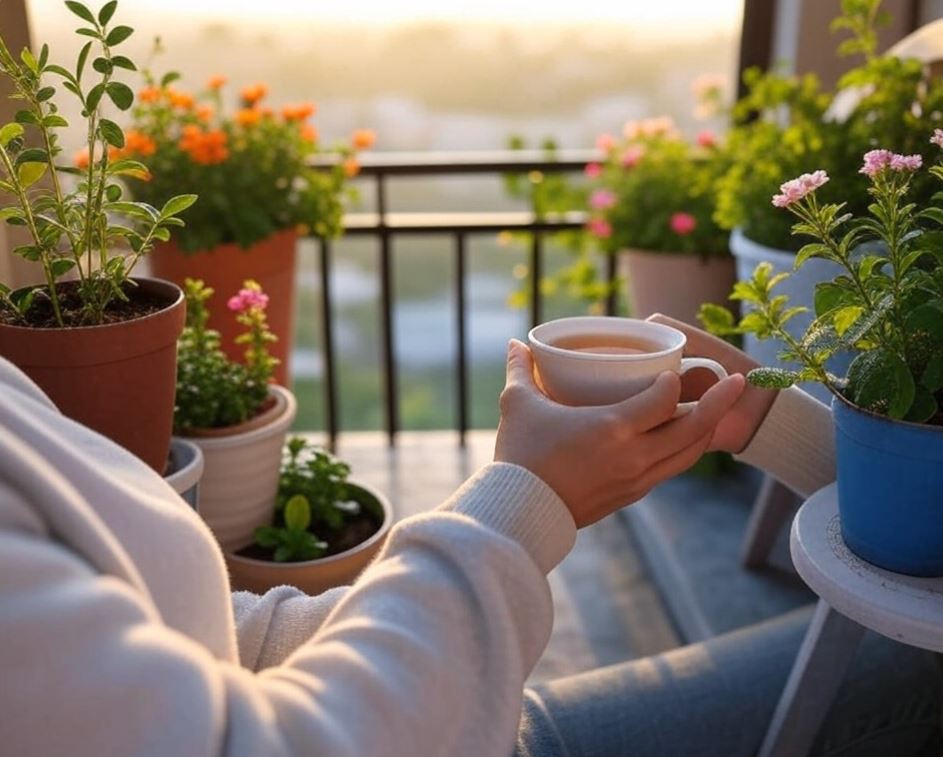

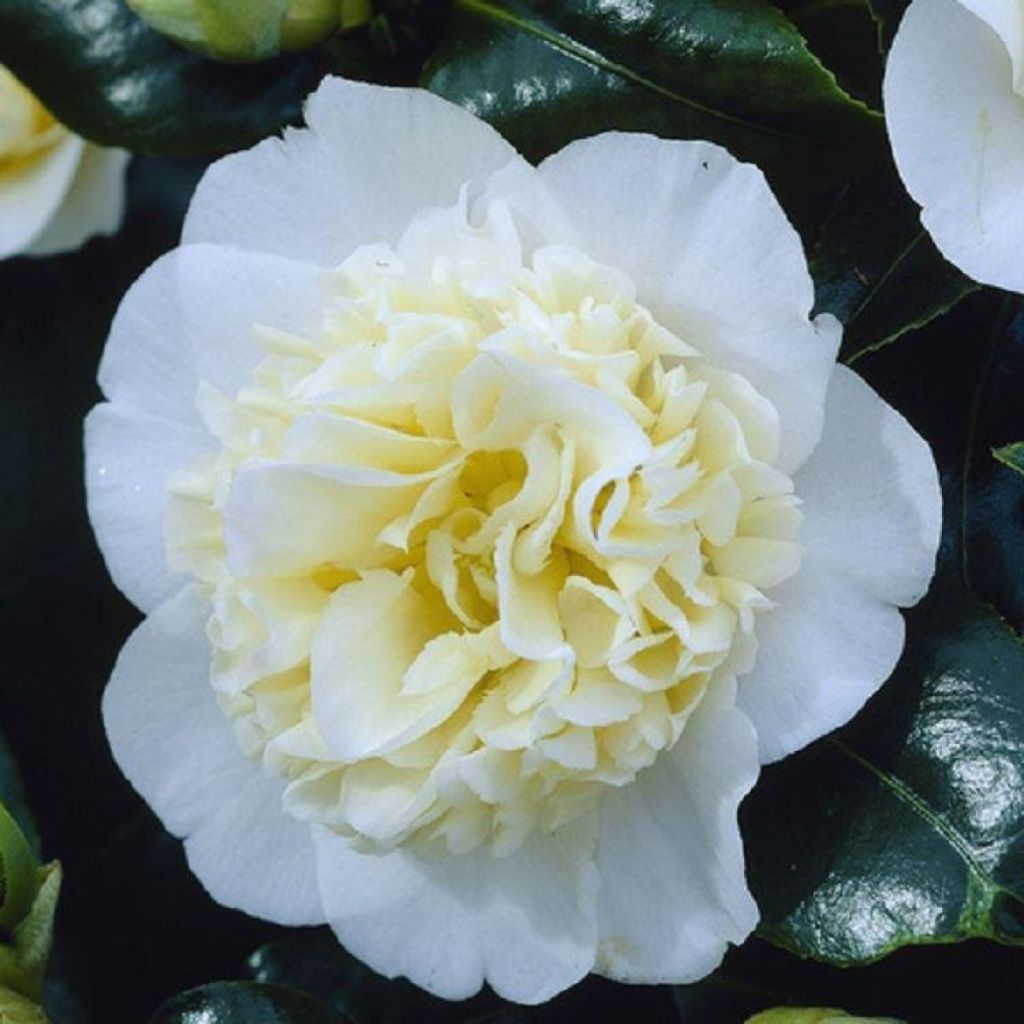
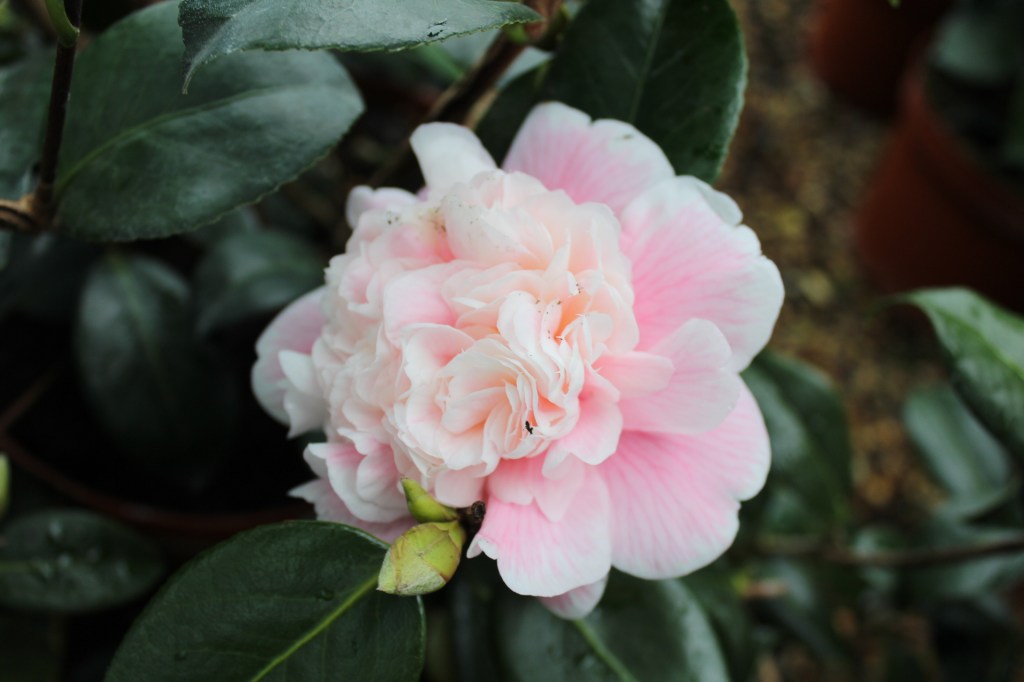
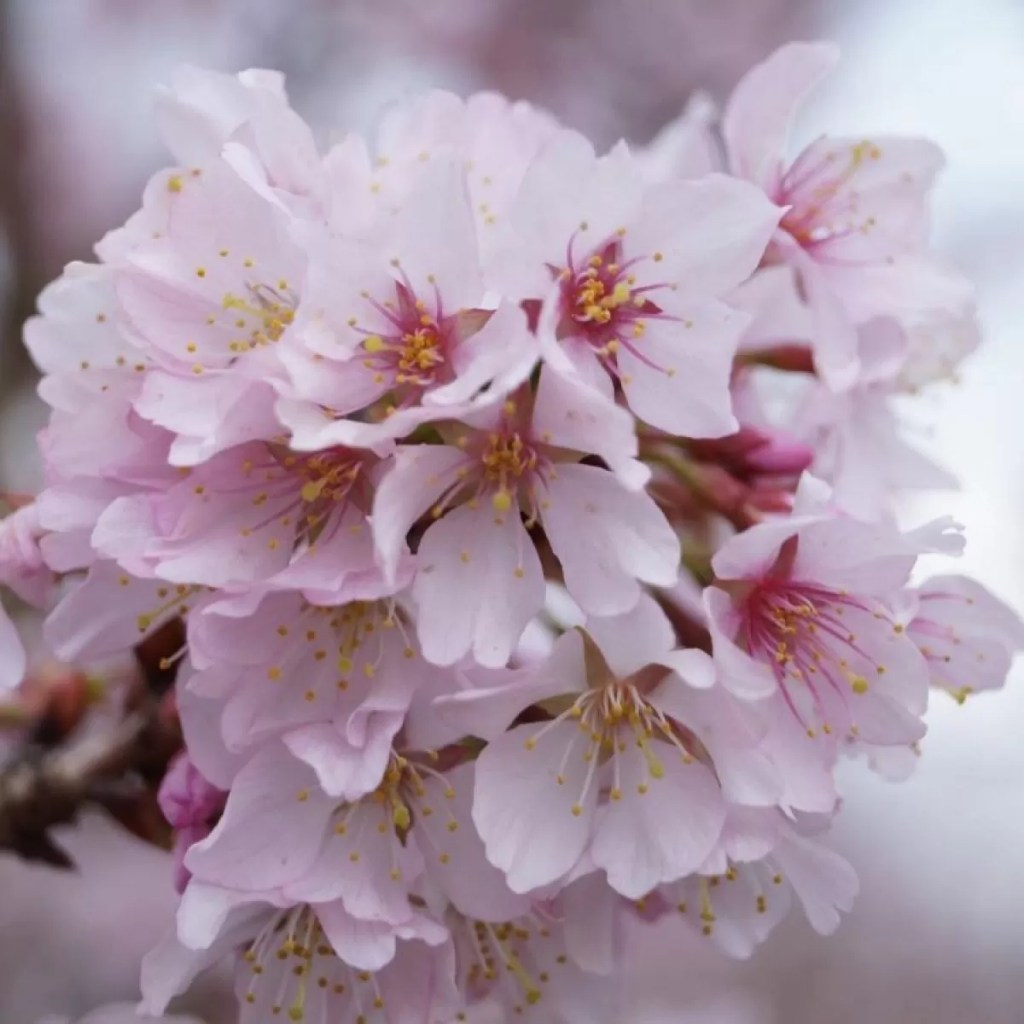
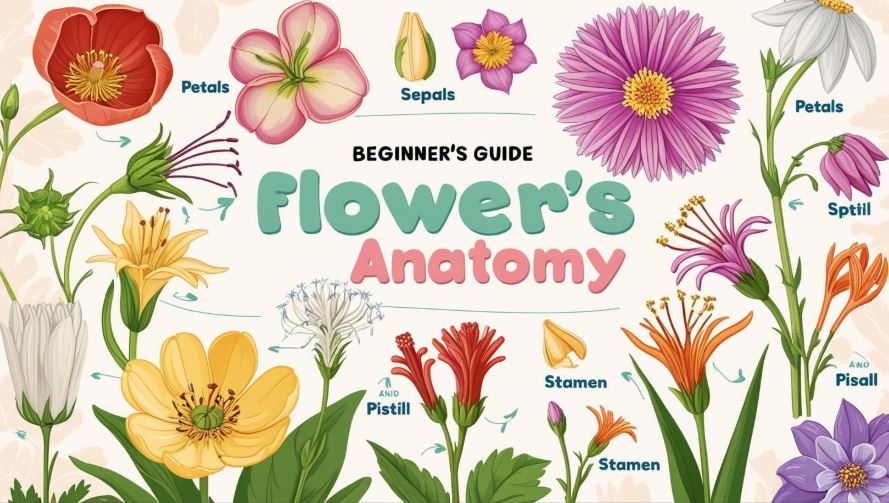

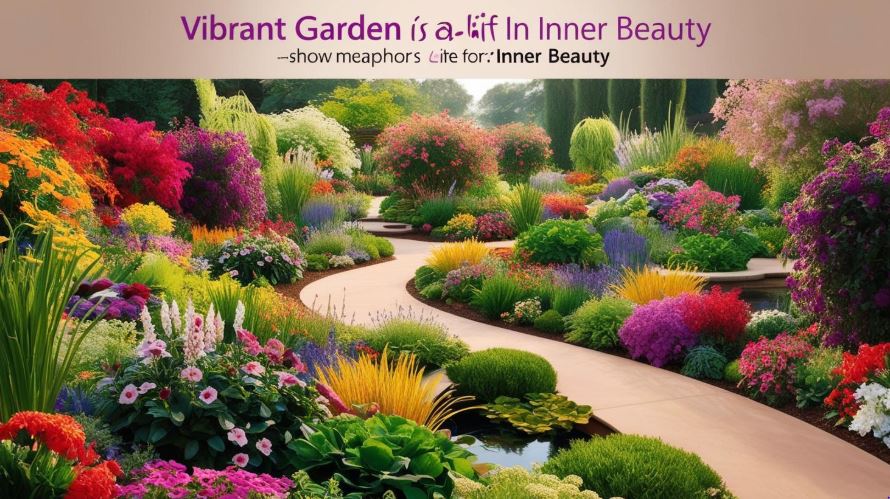

 Blossoms & Blooms