
The Spiritual Language of Flowers Unlocking the Symbolism and Sacred Meanings Behind Nature’s Blooms

In the delicate petals of a lotus or the vibrant glow of a marigold, flowers whisper truths that transcend their fleeting beauty. Across centuries and cultures, they have been more than mere adornments; they are emissaries of the divine, carrying messages of love, hope, and transformation.

This is the language of flowers, floriography a silent yet profound form of communication that encodes emotions, spiritual insights, and sacred connections. From ancient rituals to modern meditations, flowers have guided humanity toward deeper understanding, bridging the earthly and the eternal. In this exploration, we unravel the spiritual significance of blooms, their roles in sacred traditions, and how their timeless symbolism can enrich our lives. By learning to “listen” to flowers, we open ourselves to nature’s wisdom, finding pathways to personal growth, healing, and communion with the divine.

What is the Spiritual Language of Flowers?

Floriography, the art of communicating through flowers, emerged as a sophisticated code in Victorian England, where bouquets conveyed sentiments too delicate for words. Yet, its roots stretch far deeper, woven into ancient mythologies, religious texts, and cultural practices. Flowers speak through their type, colour, and context. A red rose whispers love, a white lily purity, a marigold devotion. This language is not arbitrary; it is shaped by nature’s cycles, human stories, and spiritual associations.

Spiritually, flowers are more than symbols; they are vessels of meaning. Their ephemeral blooms mirror life’s transience, while their resilience reflects renewal. A lotus rising from muddy waters embodies enlightenment, its pristine petals untouched by chaos. Colors amplify these messages: white for purity, red for passion, yellow for joy. Across cultures, flowers bridge the mundane and the sacred, offering a universal dialect of the soul.

The Role of Flowers in Spiritual Traditions and Rituals

Flowers have long been sacred tools in spiritual practices, their beauty and fragrance evoking reverence. In Hinduism, marigolds adorn altars during Diwali, their golden hues symbolising devotion and prosperity. In Buddhism, the lotus is a cornerstone; its journey from murky depths to radiant bloom mirroring the path to nirvana. Christianity venerates the white lily, a symbol of the Virgin Mary’s purity and Christ’s resurrection. Ancient Greeks wove flowers into myths, narcissus for vanity, hyacinth for rebirth, infusing them with divine narratives.

In rituals, flowers serve as offerings, mediators, and conduits. In Hindu puja, jasmine garlands honour deities, their scent believed to attract divine presence. Buddhist monks scatter petals in meditation, each falling bloom a reminder of impermanence. In Mexican Día de los Muertos, marigolds guide ancestral spirits home, their vivid colour a beacon across realms. Flowers purify spaces, transform energies, and connect worshippers to the divine, their fleeting lives a testament to eternity within the ephemeral.

🐞 Callout: A Petal’s Power
In a Buddhist temple, a single lotus petal offered in meditation can symbolize a step toward enlightenment.

Ten Sacred Flowers and Their Spiritual Meanings

Flowers carry unique spiritual signatures, shaped by their form, folklore, and cultural roles. Below are ten blooms and their sacred meanings, each a key to unlocking nature’s wisdom.

🐞 Lotus: Rising from muddy waters, the lotus is a universal symbol of purity, enlightenment, and spiritual awakening. In Buddhism and Hinduism, it represents the soul’s triumph over adversity. Its colours, white for purity, pink for divine love, deepen its significance.

🐞 Rose: The rose is the flower of divine love, beauty, and hope. Red roses signify passion and sacrifice, white roses purity and innocence, yellow roses friendship and joy. In Christian mysticism, the rose is linked to the heart of Christ.

🐞 Marigold: In Hindu rituals, marigolds (Tagetes spp.) embody devotion and prosperity, their golden petals offered to deities like Ganesha. In Mexican traditions, they honor the dead, guiding spirits with their vibrant hue and scent.

🐞 Jasmine: Known for its intoxicating fragrance, jasmine symbolises divine love and spiritual purity. In Hindu weddings, jasmine garlands bind couples, signifying eternal devotion. Its white petals evoke the moon’s gentle grace.

🐞 Calla Lily: With its elegant, trumpet-like form, the calla lily represents purity, holiness, and rebirth. In Christianity, it is associated with resurrection, often adorning Easter altars. Its sleek beauty speaks of divine elegance.

🐞 Lily of the Valley: These delicate, bell-shaped flowers symbolise humility, purity, and the return of happiness. In Christian lore, they are “Mary’s tears,” shed at the Crucifixion, embodying compassion and renewal.

🐞 Clover: A humble bloom, clover signifies luck, protection, and the divine trinity in Christianity (three leaves for Father, Son, Holy Spirit). A rare four-leaf clover is a talisman of grace and fortune.

🐞 Forget-Me-Not: These tiny blue flowers carry a poignant message of remembrance, eternal love, and fidelity. In medieval Europe, they symbolised undying devotion, a whisper of connection across time.

🐞 Chrysanthemum: In Buddhism, chrysanthemums represent longevity and the impermanence of life. In Japan, they are imperial symbols, their layered petals evoking resilience and honor.

🐞 Sunflower: Radiant and bold, sunflowers symbolise faith, vitality, and devotion, their faces tracking the sun as if in worship. In spiritual contexts, they inspire unwavering trust in the divine.

🐞 Example: A Rose’s Message
Gifting a red rose to a loved one can be a prayer for their heart to be filled with divine love, its thorns a reminder of love’s sacrifices.

How to Use the Spiritual Language of Flowers in Daily Life

The language of flowers is not confined to ancient rituals; it can transform modern spiritual practices. Here’s how to weave their symbolism into daily life:

🐞 Meditation and Reflection: Place a lotus or jasmine bloom on your altar to focus your mind. Visualise their qualities, purity, and love as you meditate, letting their energy guide you.

🐞 Healing Practices: Use rose petals in a bath to invite self-love or marigold-infused oil for emotional warmth. Their vibrations can soothe the spirit, as practised in aromatherapy.

🐞 Personal Rituals: Create intention-based bouquets. Pair white lilies for clarity with sunflowers for optimism to manifest goals. Offer them to a sacred space or gift them mindfully.

🐞 Expressing Emotions: Choose flowers to convey unspoken feelings. A forget-me-not for a grieving friend or a clover for luck in new ventures speaks louder than words.

🐞 Tip: Visit a local florist or garden to select blooms intuitively. Let their colours and scents guide your choices, trusting nature’s wisdom.

Flowers as a Universal Spiritual Language

Flowers transcend cultural and religious boundaries, their symbolism resonating across time and place. The lotus, revered in Egypt, India, and China, speaks of universal enlightenment. The rose, cherished in Persian poetry, Christian mysticism, and Sufi traditions, embodies love’s divine essence. Marigolds, sacred in India and Mexico, bridge life and death with their golden light. This shared language reflects humanity’s common quest for meaning love, faith, remembrance, hope encoded in petals and fragrance.

In today’s world, flowers remain potent spiritual tools. They grace mindfulness retreats, wedding altars, and memorial services, their presence grounding us in the present while pointing to the eternal. A sunflower in a yoga studio or a jasmine garland in a modern puja reminds us that nature’s symbols endure, offering solace and inspiration. By engaging with flowers, we tap into a timeless dialogue, one that fosters personal growth and collective healing.

Conclusion

The spiritual language of flowers is a bridge between the natural and divine, a lexicon of petals that speaks to the heart. From the lotus’s ascent to the rose’s tender embrace, each bloom carries a sacred message, inviting us to pause, reflect, and connect. By understanding their symbolism, we unlock tools for meditation, healing, and ritual, enriching our spiritual journeys.

Flowers remind us that beauty is fleeting yet eternal, a paradox that mirrors the soul’s own path. As you walk through a garden or pass a florist’s stall, pause to listen. What truths do the blooms whisper? Create a ritual, offer a petal, or simply marvel at their grace. In the language of flowers, every blossom is an invitation to grow, love, and honour the divine within and around us.

Planting for Pollinators: A Gift of Flowers for the Bees

Planting for Pollinators:

In the quiet hum of a summer garden, bees weave their tireless dance, stitching together the threads of life itself. These tiny pollinators, from plump bumblebees to delicate solitary species, are the unsung heroes of ecosystems and agriculture, enabling the reproduction of 70% of global crops and countless wildflowers. Yet, their populations are in freefall, battered by habitat loss, pesticides, and climate change.

The UK alone has lost 97% of its flower-rich meadows since the 1940s, leaving bees starving for nectar and pollen. As gardeners, we hold the power to reverse this decline, transforming our plots, however small, into vibrant sanctuaries. Planting for Pollinators: A Gift of Flowers for the Bees is a call to action, urging us to create year-round havens that sustain bees and, in turn, the ecosystems we all depend on. Through strategic planting, thoughtful design, and a rejection of harmful practices, every flower we sow becomes a lifeline in the race to save these vital creatures.

The Plight of Pollinators

Bees are the backbone of biodiversity. They pollinate apples, berries, and almonds, securing a third of our food supply, while their work sustains wildflowers that feed birds, mammals, and insects. But their numbers are dwindling at an alarming rate. Studies, such as those from Friends of the Earth, report a 30-50% decline in European bee populations over recent decades, driven by a toxic cocktail of threats. Urban sprawl and industrial agriculture have obliterated meadows, replacing them with monocultures and concrete. Pesticides, particularly neonicotinoids, poison bees or impair their navigation, while climate change disrupts blooming cycles, leaving bees without food when they need it most. The ripple effects are profound: without bees, ecosystems falter, crops fail, and food security wanes.

This crisis is not abstract, it’s visible in our gardens, where silent springs signal fewer buzzing visitors. Yet, there is hope. Campaigns like Friends of the Earth’s Bee Cause and the British Beekeepers Association’s (BBKA) gardening guides underscore the power of collective action. Gardeners, whether tending sprawling lawns or urban balconies, can provide what bees need most: a steady supply of nectar and pollen, safe nesting sites, and a pesticide-free refuge. Every flower counts, and every garden can be a sanctuary.

A Year-Round Feast: Plants for Every Season

To sustain bees, gardens must offer a continuous buffet, with blooms spanning all seasons. The Royal Horticultural Society (RHS) and Gardeners’ World provide expert-backed lists of bee-friendly plants, tailored to each season’s challenges. In winter, when nectar is scarce, hellebores (Helleborus niger) and crocus (Crocus tommasinianus) offer vital sustenance for overwintering bumblebees, their cup-shaped flowers brimming with pollen. Mahonia, with its fragrant yellow spikes, and winter aconite (Eranthis hyemalis), a low-growing gem, light up frosty borders, ensuring early foragers don’t starve.

Spring heralds the awakening of hibernating bees, who rely on bluebells (Hyacinthoides non-scripta), flowering currants (Ribes sanguineum), and pulmonaria (Pulmonaria ‘Blue Ensign’) to rebuild their strength. These plants, rich in nectar, thrive in varied conditions, from shady woodlands to sunny beds. Summer, the peak foraging season, demands long-blooming stars like lavender (Lavandula angustifolia ‘Hidcote’), single dahlias (Dahlia ‘Bishop of Llandaff’), and honeysuckle (Lonicera periclymenum), whose open structures welcome bees of all sizes. As autumn fades, sedum (Hylotelephium spectabile), aster (Aster x frikartii ‘Mönch’), and devil’s bit scabious (Succisa pratensis) extend the feast, stocking bees’ larders before winter.

For relentless bloomers, Erysimum ‘Bowles Mauve’ stands out, its purple flowers persisting nearly year-round, a steadfast ally in any bee garden. By planting these species in clusters of three to five, gardeners create efficient foraging hubs, as bees prefer to focus on one flower type per trip. This seasonal strategy, rooted in RHS’s Plants for Pollinators lists, ensures bees never go hungry, no matter the month.

Designing a Bee Sanctuary

A bee-friendly garden is more than a collection of flowers it’s a holistic habitat. Bees need shelter, water, and safety alongside their floral buffet. The BBKA and GrowVeg emphasise planting in dense patches to maximise foraging efficiency, mixing heights and shapes for visual and ecological richness. A border blending tall asters, mid-height lavender, and ground-hugging crocus draws bees like a beacon, their clustered blooms signalling abundance.

Shelter is equally critical. Solitary bees, which make up 70% of UK species, nest in bare soil or hollow stems. Leaving patches of undisturbed earth and installing bee hotels, simple structures of drilled wood or bamboo canes, provides safe havens. Log piles or hedgehog-friendly corners not only shelter bees but also attract pest-eating allies like hedgehogs, creating a balanced ecosystem. Water, often overlooked, is a lifeline in dry summers. Shallow dishes filled with pebbles or marbles offer safe drinking spots, refreshed weekly to stay clean.

Small spaces shine as powerfully as large ones. A 2m² balcony, packed with potted lavender, sedum, and a bee hotel, can support dozens of bees daily. Urban gardeners like Sarah in London prove this, reporting bumblebee visits within weeks of planting. Community efforts, such as Devon’s 500m² wildflower meadow, guided by BBKA advice, show even greater impact, tripling bee sightings in two years. Whether a window box or a field, every plot can be a pollinator paradise.

Steering Clear of Harm

To truly help bees, gardeners must abandon practices that harm them. Pesticides are the most insidious threat. Neonicotinoids, banned in the EU but still present in some products, devastate bee colonies by disrupting their nervous systems. Organic alternatives, like neem oil or companion planting with pest-repelling marigolds, offer safer solutions, as recommended by the RHS. Encouraging natural predators, such as ladybirds, further reduces the need for chemicals.

Plant choice also matters. Double-flowered varieties, like certain roses or peonies, may look lush, but their extra petals block access to nectar and pollen, rendering them useless to bees. Single-flowered plants, such as single dahlias or open roses (Rosa rugosa), are far more effective, their accessible centres inviting pollinators. Gardeners should seek out RHS Plants for Pollinators labels or consult Gardeners’ World guides to ensure their choices benefit bees.

The Power of Action

The beauty of planting for pollinators lies in its accessibility. Anyone with a trowel and a seed packet can make a difference. Start small: this weekend, buy a pot of lavender ‘Hidcote’ or a hellebore ‘Winter Beauty’ from suppliers like Crocus or Sarah Raven. Build a bee hotel following Gardeners’ World’s simple tutorial, using bamboo and untreated wood. Sow a wildflower mix from Emorsgate Seeds, packed with native ox-eye daisies and cornflowers, to create a mini-meadow by next summer.

These actions, however modest, add up. A single bee can pollinate 5,000 flowers in a day, meaning one well-planted garden can fuel hundreds of bees. Urban transformations, like Sarah’s balcony, and rural triumphs, like Devon’s meadow, show that scale is no barrier. The urgency is clear, bees can’t wait. But the hope is palpable: every flower we plant is a step toward recovery.

A Call to Bloom

Bees are the heartbeat of our world, and their survival rests in our hands. By planting a year-round floral feast, designing thoughtful habitats, and rejecting harmful practices, we can turn our gardens into sanctuaries that hum with life. The resources are at our fingertips: RHS Plants for Pollinators lists, BBKA’s gardening guides, and trusted suppliers like Crocus and Emorsgate Seeds. The task is simple yet profound: sow a seed, plant a flower, build a shelter. In the race to save bees, every garden is a battlefield, and every bloom is a victory. Let’s give bees the gift of flowers and a future to thrive in.

21.04.2025 Coming Soon

(petals, stem, leaves, roots, stamen, pistil) and their functions.

🌿Types of Flowers: Introduction to common flower categories (annuals, perennials, biennials) and popular species like roses, sunflowers, and tulips.

🌿Pollination Basics: Explaining how flowers reproduce, including the role of bees, butterflies, and wind in pollination.

🌿 Growing Flowers: Simple steps for planting seeds or bulbs, including soil preparation, watering, and sunlight needs.

🌿 Flower Colours and Meanings: Exploring why flowers have different colours and their symbolic meanings (e.g., red roses for love).

🌿 Seasonal Blooms: Understanding which flowers bloom in spring, summer, fall, or winter and how seasons affect growth.

🌿 Caring for Flowers: Tips on watering, fertilizing, pruning, and protecting flowers from pests or harsh weather.

🌿 Wildflowers vs. Cultivated Flowers: Differences between naturally occurring wildflowers and those bred for gardens or bouquets.

🌿 Flowers in Ecosystems: How flowers support biodiversity by providing food and habitat for insects, birds, and other wildlife.

🌿 Arranging Flowers: Basic techniques for cutting and arranging flowers for vases or displays, including colour and shape combinations.

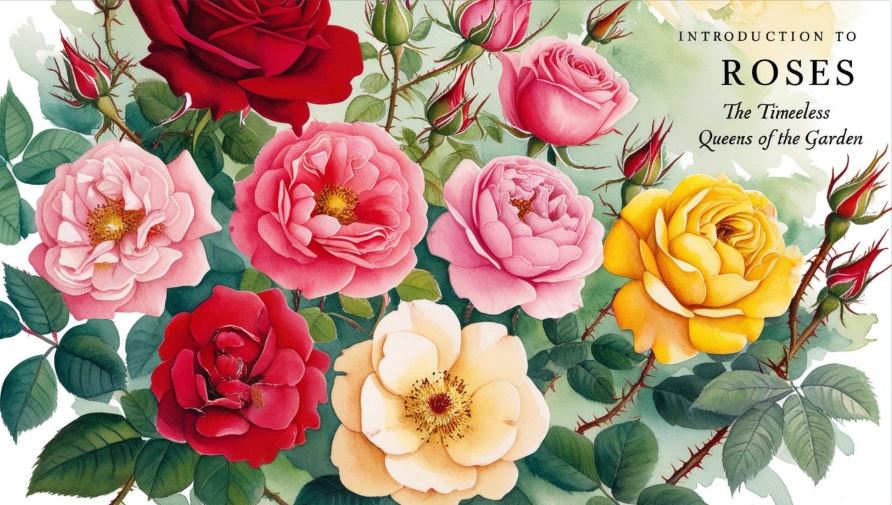
Introduction to Roses: The Timeless Queens of the Garden

Roses. The very word conjures images of romance, elegance, and vibrant garden displays. Known as the “Queen of Flowers,” roses have captivated hearts for centuries, from ancient Persian gardens to modern backyard plots. For beginner gardeners, roses might seem intimidating, don’t they seem fussy and hard to grow? Spoiler alert: they’re not as high-maintenance as you might think! With a little know-how, anyone can cultivate these iconic blooms. Whether you’re dreaming of a fragrant rose hedge, a single potted beauty, or a bouquet to gift a loved one, this guide will introduce you to the world of roses, their dazzling diversity, and how to make them thrive. Let’s dig in and discover why roses are a must-have for every garden.

What Makes Roses So Special?

Roses belong to the Rosa genus, which includes over 300 species and thousands of cultivars. Their signature features are those lush, layered petals that unfurl into blooms ranging from tiny and delicate to large and showy. Roses come in nearly every colour imaginable, classic reds, soft pinks, sunny yellows, crisp whites, and even quirky purples, blues, and greens in modern hybrids. Their fragrances are just as varied, from sweet and spicy to citrusy or musky, making them a sensory delight.

Beyond their beauty, roses are steeped in history and symbolism. In ancient Rome, they were symbols of love and secrecy (hence “sub rosa”). In medieval Europe, monasteries grew them for medicinal purposes. Today, they’re the go-to flower for weddings, anniversaries, and apologies (because who can resist a red rose?). For gardeners, roses offer versatility: they can climb trellises, form tidy shrubs, or thrive in containers. There’s a rose for every space, style, and skill level.

Types of Roses to Know

Roses are grouped into several types, each with unique traits. Here’s a quick rundown for beginners:
🌹Hybrid Tea Roses: The classic long-stemmed roses you see in florist shops. They produce large, elegant blooms, often one per stem, in colours like red (‘Mister Lincoln’) or peach (‘Just Joey’). Perfect for cutting gardens.

🌹Floribunda Roses: These are bushier and bloom in clusters, offering a riot of colour. Try ‘Iceberg’ for white blooms or ‘Julia Child’ for buttery yellow. Great for borders.

🌹Grandiflora Roses: A cross between hybrid teas and floribundas, they combine tall stems with clustered blooms. ‘Queen Elizabeth’ is a pink favorite.

🌹Climbing Roses: These vigorous growers scale walls or arbours. ‘New Dawn’ offers soft pink blooms and repeat flowering.

🌹Shrub Roses: Low-maintenance and disease-resistant, like the Knock Out series, which blooms tirelessly in red, pink, or yellow. Ideal for beginners.

🌹Miniature Roses: Tiny but mighty, these are perfect for pots or small gardens. ‘Baby Boomer’ is a cheerful pink option.

Each type has its charm, so your choice depends on your garden’s space and aesthetic. Want a romantic vibe? Go for climbers. Need low-effort colour? Shrub roses are your friends.

Popular Uses for Roses

Roses are the ultimate multitaskers. In gardens, they create focal points—think a rose-covered arch or a vibrant border. They’re also stars in cut-flower arrangements, lasting up to two weeks in a vase with proper care. Rose petals are edible and can garnish desserts or steeped in teas (just ensure they’re pesticide-free). Some roses, like Rosa rugosa, produce hips (seed pods) rich in vitamin C, used in jams or herbal remedies. And let’s not forget their role in perfumery, rose oil is a cornerstone of luxury fragrances.

COLOURS and Their Meanings

🌹Roses speak a language of colour:

Red: Passion and love (think Valentine’s Day).
White: Purity and new beginnings, often used in weddings.
Pink: Gratitude and affection, a sweet gesture for friends.
Yellow: Friendship and joy, perfect for cheering someone up.
Orange: Enthusiasm and energy, a bold choice for modern gardens.
Lavender/Purple: Enchantment and uniqueness, for those who dare to be different.

Mixing colours in a garden bed can create a stunning visual story, while single-color displays offer timeless elegance.

Growing Tips for Beginners

Roses love sunshine, so choose a spot with at least six hours of direct light daily. Well-drained soil is key; soggy roots spell trouble. Here’s how to get started:

🌹Planting: Spring or fall is ideal. Dig a hole twice as wide as the root ball, mix in compost, and plant so the graft union (the knobby bit) is just above soil level in mild climates or slightly below in cold ones.

🌹Watering: Water deeply but infrequently, about once a week, aiming at the base to keep leaves dry.

🌹Feeding: Use a balanced fertiliser (like 10-10-10) monthly during the growing season.

🌹Pruning: In early spring, cut back dead or weak stems and shape the plant to encourage airflow. Don’t stress—roses are forgiving!

🌹Pests and Diseases: Watch for aphids (spray with soapy water) and black spot (remove affected leaves and ensure good air circulation). Disease-resistant varieties like Knock Outs simplify care.

Container roses are great for patios; just choose a large pot and water more frequently. Mulching with bark or compost keeps roots cool and weeds at bay.

Why Grow Roses?

Roses reward you with months of blooms, often from spring to frost in milder climates. They attract pollinators like bees and butterflies, boosting your garden’s ecosystem. Plus, there’s something deeply satisfying about nurturing a plant with such a storied past. Imagine snipping your own roses for a vase or watching a climber transform a bare fence into a floral masterpiece. For beginners, roses teach patience and resilience; every bloom feels like a victory.

Fun Facts to Spark Curiosity

The oldest living rose bush, in Hildesheim, Germany, is over 1,000 years old and still blooms!
Roses are related to apples, almonds, and cherries—all part of the Rosaceae family.
The world’s most expensive rose, the ‘Juliet’ by David Austin, took 15 years and $5 million to develop.

Roses aren’t just flowers; they’re a journey. From their rich history to their endless varieties, they offer something for every gardener. Start small, maybe with a hardy shrub rose, and let its beauty inspire you. With a bit of sun, love, and care, your roses will bloom like royalty, transforming your garden into a haven of colour and scent. Ready to plant your first rose? Your garden’s new queen is waiting.

The Fascinating History of Alcea rosea

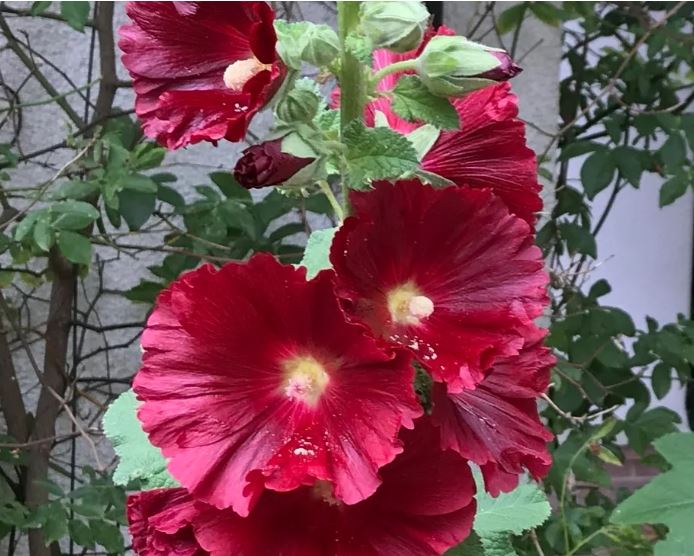
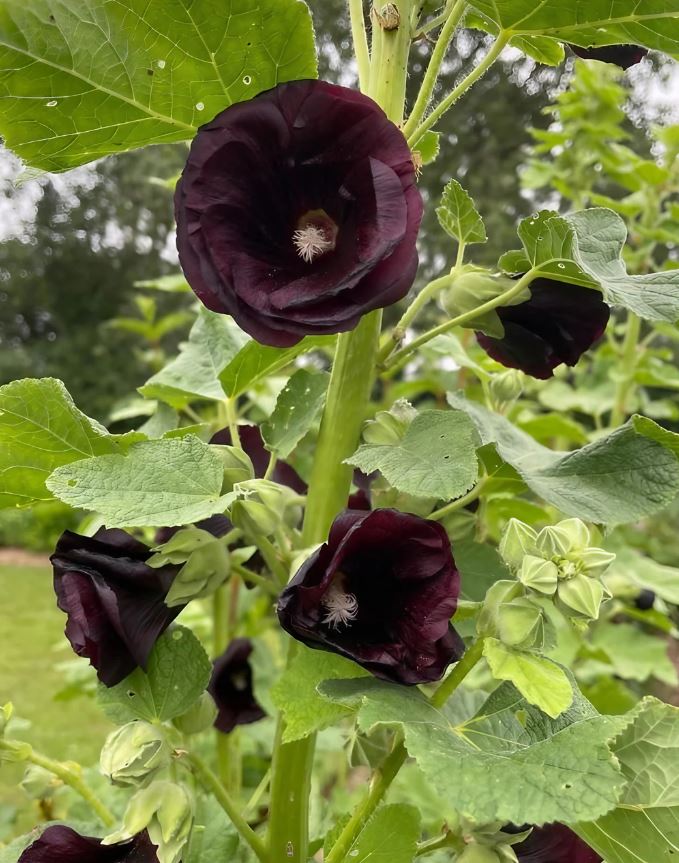
Tall stalk of red Alcea rosea flowers blooming in a cottage garden.
Alcea rosea growing against an old stone wall, evoking a vintage garden look.
Close-up of deep red hollyhock petals showing delicate texture and detail.

Towering over garden fences with their vibrant spires of blooms, Alcea rosea, better known as hollyhocks, are a beloved staple in gardens worldwide. But beyond their striking beauty lies a rich history that spans centuries and continents. From ancient origins to Victorian cottage gardens, the story of hollyhocks is as colourful as their petals. Join us as we uncover the fascinating history of Alcea rosea and why it remains a gardener’s favourite today.

Origins of Alcea rosea

Alcea rosea is believed to have originated in Asia, particularly in regions of China and the Middle East, where it grew wild thousands of years ago. Historical records suggest hollyhocks were cultivated in ancient China as early as the 5th century, valued for both their ornamental beauty and medicinal properties. The plant’s name, derived from the Old English “holy” and “hoc” (mallow), hints at its early association with healing and sacred spaces.

By the Middle Ages, hollyhocks had made their way along trade routes to Europe, likely via the Silk Road. Their tall, stately blooms quickly caught the eye of gardeners and herbalists alike, cementing their place in both practical and decorative landscapes.

Hollyhocks in Medieval and Renaissance Europe

During the Renaissance, hollyhocks became a symbol of fertility and abundance, thanks to their prolific blooms and towering height (reaching up to 8 feet). They were a common sight in cottage gardens, where their vibrant colours, pink, red, white, yellow, and even deep purple, added drama to humble plots. Want to grow hollyhocks in your own garden? Check out our guide on How to Choose the Best Soil for Your Flower Garden (#) for tips on creating the perfect environment.

Hollyhocks in the Victorian Era

The Victorian era was a golden age for hollyhocks, as the period’s obsession with romantic, naturalistic gardens elevated their status. Hollyhocks epitomised the cottage garden aesthetic, with their tall stalks lining picket fences and framing doorways. In the language of flowers, a popular Victorian pastime, hollyhocks symbolised ambition and fruitfulness, reflecting their ability to thrive in diverse conditions.

Victorian gardeners also experimented with hybridizing Alcea rosea, leading to the wide range of colors and double-flowered varieties we see today. These efforts made hollyhocks a must-have for both rural cottages and grand estates.

Cultural Significance Across the Globe

Hollyhocks have woven themselves into the cultural fabric of many regions:

Asia: In China, hollyhocks were associated with longevity and prosperity, often planted near homes for good fortune.
Middle East: In Persian gardens, their height and vibrant blooms symbolised spiritual aspiration.
North America: Colonists brought hollyhocks to the New World in the 17th century, where they became a staple in colonial and pioneer gardens, valued for their hardiness.
Today, hollyhocks remain a favourite in heritage gardens and are celebrated at events like heirloom plant festivals. Their ability to attract pollinators also makes them a great addition to eco-conscious gardens. Learn how to support bees with hollyhocks in our post on How to Create a Bee-Friendly Flower Garden (#).

Hollyhocks in Modern Gardens

Alcea rosea continues to charm gardeners with its versatility and low-maintenance nature. This biennial or short-lived perennial thrives in full sun and well-draining soil with a pH of 6.0–7.0, making it ideal for borders, fences, or as a backdrop to shorter plants. Modern cultivars offer single and double blooms, with dwarf varieties for smaller spaces.

Hollyhocks are also a boon for pollinators, drawing bees and butterflies with their nectar-rich flowers. Their resilience in poor soils and drought tolerance make them a sustainable choice for eco-friendly gardens. For more on sustainable gardening, see our guide to Organic Gardening Tips for Beginners (#).

Growing Tips for Alcea rosea

Ready to add hollyhocks to your garden? Here are quick tips:
Soil: Plant in well-draining, loamy soil. Amend with compost for best results (see How to Choose the Best Soil for Your Flower Garden (#)).

Sun: Ensure 6+ hours of direct sunlight daily.
Water: Keep soil moist but not waterlogged, especially during the first year.
Support: Stake tall stalks to prevent wind damage.
Pests: Watch for rust, a common fungal issue; use organic fungicides if needed.
For more planting advice, check out Top 10 Perennials for Easy Gardening (#).

Final Thoughts

From ancient Chinese gardens to modern pollinator patches, Alcea rosea has captivated hearts for centuries with its towering beauty and rich history. Whether you’re drawn to its medicinal past, cultural symbolism, or stunning blooms, hollyhocks are a timeless addition to any garden. Plant a few seeds, and you’ll be growing a piece of history in your backyard.

How to Create a Bee-Friendly Flower Garden

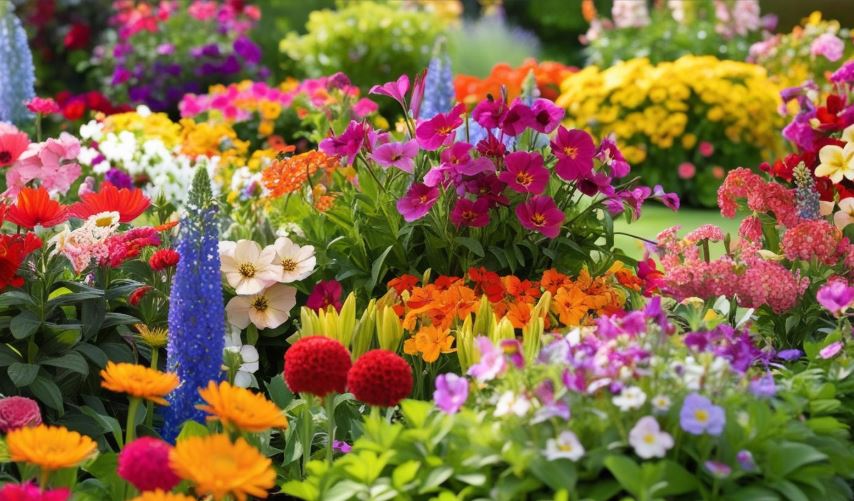
A vibrant meadow bursts with colourful wildflowers

Bees are the unsung heroes of our gardens, pollinating flowers and ensuring vibrant blooms and bountiful harvests. But with bee populations declining, creating a bee-friendly flower garden is a powerful way to help these vital pollinators thrive. Whether you have a sprawling backyard or a small balcony, this guide will show you how to design a garden that attracts and supports bees with the right plants, environment, and care.

Why Bee-Friendly Gardens Matter

Bees pollinate about one-third of the food we eat, from fruits to vegetables, and they’re essential for healthy ecosystems. A bee-friendly garden provides food (nectar and pollen), shelter, and safety, helping local bee populations flourish. Plus, it’s a win-win—your garden will burst with colour and life as bees buzz happily among the blooms.

Step 1: Choose Bee-Attracting Plants

Bees are drawn to flowers rich in nectar and pollen, especially those with single petals (double blooms can be harder for bees to access). Opt for a mix of native and non-native plants to provide food from spring to fall. Here are some bee favorites:

🐝 Spring: Crocus, hyacinth, borage (pH 6.0–7.0 soil).
🐝 Summer: Lavender, sunflower, coneflower (echinacea), bee balm (pH 6.5–7.5).
🐝 Fall: Aster, goldenrod, sedum (pH 6.0–7.0).
🐝 Pro Tip: Plant in clusters of the same species to make foraging easier for bees. Aim for at least three seasons of blooms to ensure a consistent food supply.

Step 2: Prioritize Native Plants

Native plants are adapted to your region’s climate and soil, making them low-maintenance and highly attractive to local bees. For example:
🐝 North America: Black-eyed Susan, milkweed, or purple coneflower.
🐝 Europe: Foxglove, cornflower, or thyme.
🐝 Australia: Kangaroo paw, bottlebrush, or grevillea.
Check with local nurseries or native plant societies for recommendations. Native plants also support specialist bees that rely on specific species for survival.

Step 3: Create a Bee-Safe Environment

Bees need more than just flowers. Make your garden a safe haven with these tips:
🐝 Avoid Pesticides: Chemical pesticides, especially neonicotinoids, can harm bees. Use organic alternatives like neem oil or introduce beneficial insects like ladybugs.
🐝 Provide Water: Set up a shallow water source, like a birdbath with pebbles for bees to land on, to keep them hydrated.
🐝 Offer Shelter: Leave patches of bare soil for ground-nesting bees and consider adding a bee hotel for cavity-nesting species like mason bees.

Step 4: Optimize Your Soil

Healthy soil supports healthy plants, which produce more nectar and pollen. Most bee-friendly flowers prefer well-draining, loamy soil with a pH of 6.0–7.5. Test your soil with a kit ($10–$20 at garden centres) and amend as needed:
🐝 Compost: Boosts nutrients and improves soil texture.
🐝 Perlite: Enhances drainage for plants like lavender.
🐝 Mulch: Use organic mulch (e.g., bark) to retain moisture but keep it away from plant bases to avoid rot.
For container gardens, choose a potting mix labelled for flowers and ensure pots have drainage holes.

Step 5: Design for Sun and Accessibility

Bees prefer sunny spots, as most nectar-rich flowers thrive in full sun (6+ hours daily). Place your garden in a south-facing area if possible, and ensure plants are spaced to allow bees easy access. Avoid windy locations, as bees struggle to fly in strong gusts. If you’re short on space, use vertical planters or window boxes with bee-friendly herbs like thyme or oregano.

Step 6: Maintain Your Garden

Keep your bee-friendly garden buzzing with these maintenance tips:
🐝 Deadhead Flowers: Remove spent blooms to encourage continuous flowering.
🐝 Water Wisely: Water early in the morning to mimic dew and avoid stressing bees.
🐝 Plant Year-Round: Add early- and late-season bloomers to extend the foraging period.
🐝 Monitor Bee Activity: Watch for signs of healthy pollination, like abundant fruit or seed production.

Common Mistakes to Avoid

🐝 Planting Only One Type of Flower: Variety ensures a steady food supply. Aim for diversity in colour (bees love purple, blue, and yellow) and bloom time.

🐝 Using Non-Native Invasive Plants: These can outcompete native species and harm ecosystems. Check invasiveness with local resources.

🐝 Over-Cleaning: Leave some leaf litter or twigs for nesting bees instead of tidying every corner.

Final Thoughts

Creating a bee-friendly flower garden is a rewarding way to support pollinators and beautify your space. By choosing the right plants, optimising your soil, and providing a safe environment, you’ll attract bees and enjoy a thriving, colourful garden. Start small—plant a few bee-loving flowers, add a water source, and watch the pollinators arrive. Let’s keep the buzz going!

How to Choose the Best Soil for Your Flower Garden

Flower Garden soil

A vibrant flower garden starts from the ground up, literally. The right soil can make the difference between lacklustre blooms and a dazzling display of colour. But with so many soil types and amendments out there, how do you pick the best one for your flowers? In this guide, we’ll walk you through everything you need to know to choose the perfect soil for your flower garden, from understanding your plants’ needs to testing and improving your soil.

Why Soil Matters for Your Flower Garden

Soil is more than just dirt; it’s the foundation of your garden’s ecosystem. It provides nutrients, water, and support for your plants’ roots. The wrong soil can stunt growth, hinder blooms, or even kill your flowers. By choosing the right soil, you’re setting your garden up for success, ensuring your roses, tulips, or marigolds thrive all season long.

Step 1: Know Your Flowers’ Soil Preferences

Different flowers have different soil needs. Before you buy soil or amendments, research the plants in your garden. Here are some common preferences:

🌻Roses: Prefer well-draining, loamy soil with a pH of 6.0–7.0.

🌻Marigolds: Thrive in slightly acidic to neutral soil (pH 6.0–7.0) with good drainage.

🌻Hydrangeas: Need rich, moist soil; pH. affects bloom colour (acidic for blue, alkaline for pink).

🌻Lavender: Loves sandy, well-draining soil with a pH of 6.5–7.5.

Check plant tags or online resources for specific requirements. If you’re growing a mix of flowers, aim for a versatile soil that balances drainage, nutrient content, and pH.

Step 2: Understand Soil Types

Soil is generally categorized by its texture, which affects how it holds water and nutrients. The main types are:

🌻Sandy Soil: Drains quickly but doesn’t retain nutrients well. Best for drought-tolerant flowers like lavender or cosmos.

🌻Clay Soil: Holds water and nutrients but drains poorly. Works for moisture-loving plants like daylilies, but may need amending for others.

🌻Loamy Soil: The gold standard—a balanced mix of sand, silt, and clay. Ideal for most flowers, including roses and peonies.

🌻Silty Soil: Retains moisture and nutrients but can compact. Good for ferns or astilbe but may need loosening for other flowers.

To identify your soil type, grab a handful of moist soil and squeeze it. Sandy soil falls apart, clay forms a tight ball, and loam holds its shape but crumbles slightly.

Step 3: Test Your Soil

Before planting, test your soil to understand its pH and nutrient levels. You can use a DIY soil test kit (available at garden centres for $10–$20) or send a sample to a local cooperative extension service for a detailed analysis. Here’s what to look for:

🌻pH Level: Most flowers prefer a slightly acidic to neutral pH (6.0–7.0). Adjust with lime (to raise pH) or sulfur (to lower pH) if needed.

🌻Nutrient Levels: Key nutrients include nitrogen (for foliage), phosphorus (for blooms), and potassium (for root health). Deficiencies can be corrected with fertilisers or compost.

🌻Organic Matter: Soil rich in organic matter supports healthy microbes and improves texture.
Testing helps you avoid guesswork and tailor your soil to your flowers’ needs.

Step 4: Amend Your Soil

If your existing soil isn’t ideal, don’t worry, you can improve it with amendments. Here are some common options:

🌻Compost: Adds organic matter, improves drainage, and boosts nutrients. Mix 2–3 inches into the top 6–12 inches of soil.

🌻Peat Moss: Increases moisture retention and slightly acidifies soil. Great for hydrangeas or azaleas.

🌻Perlite or Vermiculite: Improves drainage and aeration, especially for sandy or clay soils.

🌻Manure: Enriches soil, but use well-rotted manure to avoid burning plants.

🌻Sand: Enhances drainage in clay-heavy soils, but use sparingly to avoid creating concrete-like soil.

Pro Tip: Always mix amendments thoroughly and retest your soil after a few weeks to ensure balance.

Step 5: Consider Potting Mix for Containers

If you’re growing flowers in pots or raised beds, opt for a high-quality potting mix instead of garden soil. Potting mixes are lightweight, sterile, and designed for container drainage. Look for blends labelled for “flowers” or “annuals/perennials,” which often include:

Peat moss or coconut coir for moisture retention.
Perlite or vermiculite for aeration.
Slow-release fertilisers for steady nutrients.
Avoid using native soil in containers; it compacts and restricts root growth.

Step 6: Maintain Your Soil

Great soil isn’t a one-and-done deal. To keep your flower garden thriving:
🌻Mulch: Add 2–3 inches of organic mulch (like bark or straw) to retain moisture and regulate soil temperature.

🌻Fertilise: Use a balanced fertiliser (e.g., 10-10-10) or one tailored to your flowers’ needs during the growing season.

🌻Rotate Plants: If you grow annuals, rotate them yearly to prevent nutrient depletion.

🌻Aerate: Loosen compacted soil with a garden fork to improve root access to air and water.

🌻Ignoring Drainage: Poor drainage suffocates roots. If your soil holds water, add organic matter or create raised beds.

Common Mistakes to Avoid

🌻Skipping Soil Tests: Guessing pH or nutrient needs can harm plants. Test first!

🌻Overloading Amendments: Too much fertiliser or manure can burn roots or disrupt soil balance.

Final Thoughts

Choosing the best soil for your flower garden doesn’t have to be overwhelming. By understanding your flowers’ needs, testing your soil, and making smart amendments, you can create a nutrient-rich, well-draining environment that helps your garden flourish. Whether you’re nurturing delicate dahlias or hardy zinnias, the right soil is your secret to a stunning display. Ready to get started? Grab a soil test kit, check your plants’ preferences, and dig in!

How to Start a Flower Garden on a Budget

Budget Garden

Dreaming of a beautiful flower garden but worried about costs? You don’t need a big budget to grow stunning blooms! With smart strategies and beginner-friendly flowers like hollyhocks, marigolds, zinnias, sunflowers, and cosmos, you can create a vibrant garden for less. This guide shares practical, budget-friendly tips to start a flower garden on a budget, from free resources to low-cost plants. Let’s make your garden dreams come true without breaking the bank!

For a complete roadmap, check out our Beginner’s Guide to Growing Your First Flower Garden (#beginners-guide) to plan your affordable garden.

Why Garden on a Budget?
Flower gardening is rewarding and doesn’t have to be expensive. By focusing on cost-effective flowers and free resources, you can:
🌷 Grow a gorgeous garden without financial stress.
🌷 Learn gardening basics with forgiving plants.
🌷 Enjoy eco-friendly practices like seed saving and composting.
Our top picks: hollyhocks, marigolds, zinnias, sunflowers, and cosmos—are perfect for budget-conscious beginners. Let’s explore how to start!

Step 1: Choose Affordable, Easy-to-Grow Flowers

The key to a budget garden is picking low-cost, low-maintenance flowers. These five are ideal:
🌷Hollyhocks: These tall biennials are cheap to grow from seeds and self-seed for future blooms. Learn more in The Fascinating History of Alcea rosea (#alcea-rosea).

🌷 Marigolds: Inexpensive and pest-repelling, marigolds bloom all summer. See planting tips in How to Grow Marigolds: A Beginner’s Guide (#marigolds).

🌷 Zinnias: Colourful and fast-growing, zinnia seeds are affordable and produce tons of flowers.

🌷 Sunflowers: A packet of sunflower seeds costs pennies and yields cheerful giants.

🌷 Cosmos: These airy blooms thrive in poor soil, saving you on soil amendments.

Discover more about these flowers in 5 Easy Flowers to Grow for Beginners (#easy-flowers).

Step 2: Source Seeds and Plants for Free or Cheap

You don’t need to spend much to get started. Try these budget-friendly ideas:
🌷 Seed Swaps: Join local gardening groups or online forums (e.g., Reddit’s r/gardening) to trade seeds for hollyhocks, zinnias, or cosmos.

🌷 Save Seeds: Collect seeds from marigolds or sunflowers at season’s end for next year.

🌷 Ask Neighbours: Many gardeners share cuttings or extra plants—hollyhocks and cosmos are often available.
🌷 Buy in Bulk: Purchase seed packets from discount stores or online for as low as $1.

Step 3: Use Recycled or Free Containers

No need for fancy pots! Get creative with these ideas:

🌷 Repurpose Items: Use old buckets, crates, or tin cans as planters for marigolds or zinnias. Drill drainage holes to keep roots healthy.

🌷 Check Freecycle: Sites like Freecycle or Craigslist often list free pots or gardening supplies.
🌷 Start Small: Grow cosmos or sunflowers in yogurt containers or egg cartons for seedlings.

Step 4: Prepare Soil Without Spending a Fortune

Healthy soil is crucial, but you can improve it cheaply. Learn the basics in How to Choose the Best Soil for Your Flower Garden (#soil).

🌷Make Compost: Turn kitchen scraps (e.g., vegetable peels, coffee grounds) into nutrient-rich compost for hollyhocks and zinnias.

🌷Use Local Resources: Check with your city for free mulch or compost programs.
🌷Test Soil for Free: Some agricultural extensions offer free or low-cost soil testing to ensure your flowers thrive.

Step 5: Save on Water and Maintenance

Keep costs low with these maintenance tips:
🌷Collect Rainwater: Use a bucket or barrel to capture rainwater for watering sunflowers and cosmos.
🌷Mulch for Free: Spread grass clippings or leaves around plants to retain moisture and reduce weeds.
🌷Natural Pest Control: Marigolds deter pests, and DIY sprays (e.g., soap and water) handle aphids. Learn more in Natural Pest Control Solutions for Beginners (#pest-control).

Step 6: Plan for Long-Term Savings

A budget garden grows over time. These strategies save money year after year:
🌷Choose Self-Seeding Flowers: Hollyhocks and cosmos reseed themselves, reducing future costs.
🌷Propagate Plants: Divide zinnias or take cuttings from neighbours’ plants.
🌷Focus on Perennials: While hollyhocks are biennials, they return reliably, unlike annuals that need replanting.

Budget-Friendly Garden Ideas
🌷Mix and Match: Plant hollyhocks for height, marigolds for colour, and cosmos for airiness in one bed.
🌷Create a Pollinator Haven: These flowers attract bees, boosting your garden’s health. See How to Create a Bee-Friendly Flower Garden (#bee-friendly).
Start Small: A 4×4-foot plot with zinnias and sunflowers is cheap and manageable.

Why a Budget Garden Works for Beginners
Starting a flower garden on a budget is perfect for novices because it’s low-risk and high-reward. Hollyhocks, marigolds, zinnias, sunflowers, and cosmos are forgiving, letting you learn as you grow. Plus, free resources and creative solutions make gardening accessible to everyone.

For more inspiration, revisit the Beginner’s Guide to Growing Your First Flower Garden (#beginners-guide) or explore The Fascinating History of Alcea rosea (#alcea-rosea) to see why hollyhocks are a budget gardener’s dream. Ready to plant? Your affordable flower garden awaits!

How to Start a Flower Garden on a Budget: A Beginner’s Guide

Beginners guide flower gardening

If you’re new to gardening, picking the right flowers can make all the difference. The good news? You don’t need a green thumb to grow a vibrant garden. In this guide, we’ll explore five easy flowers to grow for beginners: hollyhocks, marigolds, zinnias, sunflowers, and cosmos. These low-maintenance beauties are perfect for novice gardeners, offering colourful blooms with minimal effort. Plus, we’ll share simple planting tips to help you succeed. Ready to dig in? Let’s get started!

Why Choose Easy Flowers for Beginners?

Beginner flowers are forgiving, thrive in various conditions, and require little fuss. Hollyhocks, marigolds, zinnias, sunflowers, and cosmos are ideal because they:

🌼 Tolerating beginner mistakes like uneven watering.
🌼Grow in most soils with basic preparation.
🌼Attract pollinators, boosting your garden’s health.

  • These flowers also pair well together, creating a stunning display. Let’s dive into each one and learn how to grow them!
  1. Hollyhocks: The Tall, Nostalgic Charmers

Hollyhocks (Alcea rosea) are perfect for beginners who want dramatic, tall blooms. These biennials grow 5–8 feet, with vibrant pink, white, or red flowers. They’re low-maintenance and thrive in sunny spots.
🌸 How to Grow: Plant seeds in spring or summer in well-drained soil. Water moderately and stake taller stems to prevent tipping. Hollyhocks self-seed, giving you blooms year after year.

🌸 Why Beginners Love Them: Easy to grow, drought-tolerant, and forgiving of poor soil.

🌸 Pro Tip: Hollyhocks can get rust (a fungal disease). Learn prevention tips in our Natural Pest Control Solutions for Beginners post (#pest-control) post.

Curious about their history? Read The Fascinating History of Alcea rosea (#alcea-rosea) to discover why hollyhocks are a garden classic.

  • 2.Marigolds: The Pest-Repelling Superstars

Marigolds are a beginner’s dream, with bright orange and yellow blooms that light up any garden. They’re tough, bloom all summer, and naturally repel pests like aphids.

🌸 How to Grow: Sow seeds in spring after the last frost in sunny, well-drained soil. Water regularly but avoid overwatering. Deadhead (remove spent blooms) to encourage more flowers.

🌸 Why Beginners Love Them: Fast-growing, pest-resistant, and thrive in containers or beds.
🌸 Pro Tip: Pair marigolds with hollyhocks for a vibrant, pest-free garden. Learn more in How to Grow Marigolds: A Beginner’s Guide (#marigolds).

  1. Zinnias: The Colourful Crowd-Pleasers

Zinnias bring a rainbow of colours, pink, red, yellow, and more to your garden. These annuals are easy to grow and bloom profusely, even in hot weather.

🌸 How to Grow: Plant seeds in spring in full sun. Zinnias love fertile soil, so mix in compost (see How to Choose the Best Soil for Your Flower Garden (#soil)). Water at the base to prevent mildew.

🌸 Why Beginners Love Them: Quick to bloom, low-maintenance, and perfect for cutting.
🌸 Pro Tip: Zinnias attract butterflies, enhancing your garden’s ecosystem.

Explore more in How to Create a Bee-Friendly Flower Garden (#bee-friendly).

4. Sunflowers: The Cheery Giants

Sunflowers are iconic for their towering stems and sunny blooms. They’re incredibly easy to grow, making them a favourite for beginners and kids.

🌸 How to Grow: Sow seeds in spring in a sunny spot with loose soil. Water deeply but infrequently. Stake taller varieties to support their height (up to 10 feet!).

🌸 Why Beginners Love Them: Fast-growing, drought-tolerant, and seeds attract birds.
🌸 Pro Tip: Grow shorter varieties like ‘Teddy Bear’ in small spaces or pots.

5.Cosmos: The Delicate, Airy Beauties

Cosmos add a whimsical touch with their feathery foliage and pink, white, or purple blooms. These annuals are low-maintenance and thrive in less-than-perfect conditions.

🌸 How to Grow: Plant seeds in spring in full sun. Cosmos tolerate poor soil but need good drainage. Water sparingly—they’re drought-resistant.

🌸 Why Beginners Love Them: Easy to grow, self-seeding, and bloom until frost.
🌸 Pro Tip: Cosmos pairs beautifully with hollyhocks for a cottage-garden look.

Tips for Success with Beginner Flowers

To ensure your flowers thrive:
🌸 Prepare Your Soil: Healthy soil is key. Learn how in How to Choose the Best Soil for Your Flower Garden (#soil).
🌸 Water Wisely: Avoid overwatering by checking soil moisture. Most of these flowers prefer slightly dry conditions.
🌸 Start Small: Plant a few varieties and expand as you gain confidence.
Budget-Friendly Gardening: Want to save money? Check out How to Start a Flower Garden on a Budget (#budget-garden) for tips on seed swaps and recycled pots.

Why These Flowers Are Perfect for You

Hollyhocks, marigolds, zinnias, sunflowers, and cosmos are beginner-friendly because they’re resilient, grow quickly, and reward you with stunning blooms. They’re also affordable and versatile, fitting any garden size or style. By starting with these, you’ll build confidence and create a garden you love.
Ready to plant? Revisit the Beginner’s Guide to Growing Your First Flower Garden (#beginners-guide) for step-by-step planning, or dive into The Fascinating History of Alcea rosea (#alcea-rosea) for hollyhock inspiration. Happy gardening!

Petals Through Time: How Flowers Shaped Cultures and Symbolism Across the Ages.

Petels through time

In the grand tapestry of human existence, few threads shimmer as vibrantly as the history of flowers. These delicate emissaries of nature have woven themselves into our rituals, art, and affections, their petals whispering tales of ancient empires and modern marvels. From the lotus-crowned altars of Egypt to the rose-strewn sonnets of Shakespeare, the meaning of flowers throughout history transcends borders and eras, uniting humanity in a shared reverence for beauty.

At FlowerAndGrow.com, we celebrate this legacy, tracing the cultural importance of flowers through their roles in medicine, mythology, and mastery of cultivation. Join us on a 2000-year odyssey to uncover the ancient uses of flowers, their symbolic splendour, and the evolution of flower gardening, as we cultivate not just blooms but an enduring appreciation for nature’s finest artistry.

Flowers in Ancient Civilisations

The history of flowers begins in the cradle of civilisation, where blooms were more than mere ornaments; they were sacred, medicinal, and profound. In ancient Egypt, the lotus flower reigned supreme, its petals unfurling at dawn to symbolise rebirth and purity. Pharaohs were buried with garlands of lotus and papyrus, ensuring their passage to the afterlife, a testament to the ancient uses of flowers in rituals.

In Mesopotamia, saffron crocuses were prized for their golden stigmas, used in dyes and remedies, while cuneiform tablets record offerings of blooms to deities. Across the Mediterranean, the Greeks and Romans adorned their feasts and temples with roses and violets. The Greeks crowned victors with laurel wreaths, and myths like that of Adonis, born from a myrrh tree, reveal the symbolic flowers in different cultures. In Rome, floral garlands signified status, and the flowers used in ancient medicine included chamomile for calming and rosewater for skin ailments. Further east, India’s Vedic texts praised jasmine for its divine fragrance, used in worship, while China’s peony, the “king of flowers,” symbolised prosperity in early art. These civilisations laid the roots for the cultural importance of flowers, entwining them with human aspiration and reverence.

The Symbolism of Flowers Across Cultures

As civilisations flourished, so did the traditional flower symbolism that imbued blooms with meaning. In ancient India, the marigold’s fiery hues adorned Hindu ceremonies, symbolising auspiciousness and devotion. The lotus, revered in Buddhism, represented enlightenment, its pristine petals rising unsullied from muddy waters. In Christianity, the rose became a symbol of the Virgin Mary, its thorns evoking Christ’s suffering, while lilies signified purity in religious iconography.

The symbolic flowers in different cultures also shaped secular traditions.
In Persia, the tulip symbolised love and sacrifice, its vivid petals inspiring poetry. Japan’s cherry blossoms, or sakura, embodied the fleeting nature of life, celebrated in hanami festivals. Even in Mesoamerica, the Aztecs revered the marigold (cempasúchil) as a guide for souls during Día de los Muertos, a tradition that endures. These meanings, rooted in myth and faith, reveal the cultural importance of flowers as vessels of human emotion, bridging the divine and the earthly with their ephemeral beauty.

Flowers in Art, Literature, and Religion

The history of flowers blooms vividly in the realm of art and literature, where they served as muses and metaphors. In medieval Europe, illuminated manuscripts glowed with floral borders roses, lilies, and violets symbolising virtues in religious texts. The flowers in art and religion found further expression in tapestries, where woven blooms adorned noble halls. By the Renaissance, artists like Botticelli painted flora with allegorical precision, as seen in Primavera, where flowers crown the goddess of spring.

In literature, flowers spoke where words faltered. Shakespeare’s Ophelia wove garlands of daisies and rosemary, each bloom laden with meaning, while Persian poet Hafiz likened the rose to divine beauty. The meaning of flowers through history also inspired Japan’s ikebana, the art of flower arrangement, which elevated blooms to spiritual meditation. In the 19th century, Impressionists like Monet and Van Gogh immortalised gardens, their canvases bursting with sunflowers and water lilies that captured nature’s fleeting splendour. These works underscore the cultural importance of flowers, transforming petals into timeless expressions of human longing and reverence.

The Rise of Flower Gardening

The evolution of flower gardening marks a pivotal chapter in the history of flowers, as humans sought to tame nature’s beauty. In medieval Europe, monastic gardens cultivated roses and lavender for medicinal and liturgical use, their orderly beds reflecting divine harmony. By the Renaissance, Italian villas boasted geometric parterres, showcasing the history of flower cultivation as a status symbol. The 17th-century Dutch Golden Age, however, redefined floral fervour with “tulip mania,” when a single bulb fetched fortunes, cementing tulips as emblems of wealth and obsession.

The evolution of flower gardening reached new heights in the Victorian era, when “the language of flowers” assigned meanings to every bloom, red roses for love, forget-me-nots for remembrance. English cottage gardens, brimming with peonies and hollyhocks, celebrated romantic abundance, while French formal gardens at Versailles imposed regal symmetry. These trends, fueled by global exploration and plant exchanges, introduced exotic species like dahlias from Mexico and chrysanthemums from Asia, enriching the history of flower cultivation. By the 19th century, gardening had become a cultural pursuit, democratising beauty across classes and continents.

Flowers in Modern Times

Today, the history of flowers continues to evolve, shaped by commerce, creativity, and conscience. The global flower industry, valued at billions, fuels floristry, with roses, tulips, and orchids dominating markets from Colombia to the Netherlands. Modern florists craft arrangements for weddings, funerals, and celebrations, perpetuating the traditional flower symbolism of love, grief, and joy. Yet, the cultural importance of flowers persists beyond commerce, in Japan, cherry blossom festivals draw millions, while in India, marigolds still grace festivals like Diwali.

The history of flower cultivation now embraces sustainability, as growers adopt eco-friendly practices to combat environmental impact. Urban gardening and pollinator-friendly blooms like lavender and bee balm reflect a renewed commitment to nature, aligning with FlowerAndGrow.com’s mission to nurture growth. Technology, too, plays a role, with apps guiding gardeners and hybrid blooms engineered for resilience. Yet, the essence of flowers, their ability to console, inspire, and unite, remains unchanged, a testament to their enduring allure.

To trace the history of flowers is to wander through humanity’s heart, where each bloom tells a story of reverence, ingenuity, and beauty. From the ancient uses of flowers in Egypt’s tombs to the symbolic flowers in different cultures like Japan’s sakura, flowers have shaped our rituals, art, and gardens. The evolution of flower gardening, from monastic plots to modern eco-conscious beds, reflects our desire to cultivate not just blooms but meaning. At FlowerAndGrow.com, we believe understanding this legacy deepens our bond with nature, inspiring us to grow gardens that echo the past while blooming toward a sustainable future. Let us plant, tend, and marvel, for in every flower lies a timeless legacy, as eternal as the human spirit.