

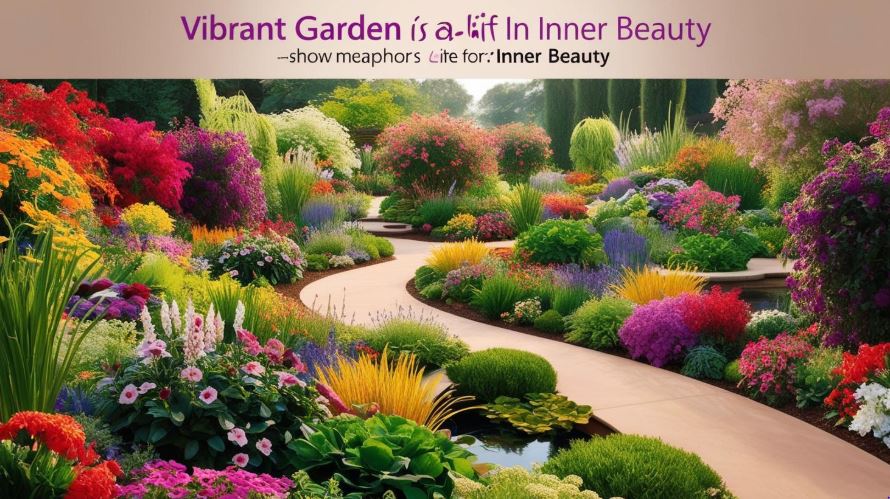
Garden Design as an Expression of Inner Beauty

Gardening is more than arranging plants it’s a deeply personal act of creation that mirrors the soul’s desires, values, and dreams. A well-designed garden is a living canvas, where every bloom, pathway, and texture reveals the gardener’s inner beauty.

Designing a garden is an opportunity to express who you are, connect with nature, and cultivate a space that resonates with your unique essence. In this 1,000-word post, we’ll explore how garden design becomes a reflection of the self, offering practical tips, plant suggestions, and inspiration to help your garden bloom as vibrantly as your spirit.

The Garden as a Reflection of Self

A garden is a sanctuary where inner beauty takes physical form. Just as an artist pours emotion into a painting, a gardener infuses their space with personality. Are you drawn to wild meadows that echo your free spirit? Or do you prefer structured beds that reflect your love for harmony? Every choice of colour, plant, and layout tells a story about you.

Gardening fosters mindfulness, inviting you to slow down and listen to your intuition. As you dig into the soil, you unearth insights into your values. A garden designed with intention becomes a space for healing and joy. According to the American Horticultural Therapy Association, gardening reduces stress and enhances emotional well-being, making it a powerful medium for nurturing inner beauty.

Elements of a Soulful Garden Design

To create a garden that reflects your inner beauty, focus on these key elements, each offering a chance to weave your personality into the landscape.

Colour Palette: Painting with Emotion

Colours evoke emotions, and your garden’s palette can mirror your inner state. For serenity, choose soft blues, purples, and whites with plants like lavender, delphinium, or snowdrop anemones. For bold passion, opt for fiery reds, oranges, and yellows with zinnias, coreopsis, or dahlias. Visit local nurseries or online plant databases to match plants with your desired mood.

Plant Selection: Symbols of Identity

Plants carry symbolic meanings that reflect your values. Roses symbolize love and resilience, perfect for romantics. Sunflowers, with radiant faces, embody optimism. Native plants like milkweed or bee balm show a commitment to sustainability. The Lady Bird Johnson Wildflower Centre offers region-specific native plant lists to help you choose species that resonate with your ethos.

Layout: Structuring Your Story

Your garden’s structure reflects how you navigate the world. A formal garden with geometric beds, inspired by European designs, suits a disciplined personality. A cottage garden with winding paths, celebrated by the Royal Horticultural Society, expresses whimsy. Use tools like Garden Planner to visualize a design that feels authentic.

Focal Points: Highlighting Your Essence

Focal points anchor your garden’s narrative. A tranquil water feature reflects a meditative soul, while a trellis with clematis showcases artistic flair. Add a birdbath or bee hotel to invite wildlife, symbolizing your nurturing side, as outlined by the National Wildlife Federation.

Textures and Layers: Depth of Character

Textures soft ferns, spiky grasses, velvety petals add depth, like the layers of your personality. Combine yarrow, hostas, and cosmos for a tactile experience. Vertical layers, like morning glories or a redbud tree, create dimension, reflecting a multifaceted inner world.

Designing for Your Inner Beauty

Here’s how to translate your essence into a garden design, with practical steps to bring your vision to life.

  • Step 1: Reflect on Your Inner Self
  • Journal or meditate on what defines you. Are you a dreamer, nurturer, or adventurer? What colours or memories spark joy? If you cherish childhood summers, plant black-eyed Susans or hollyhocks for nostalgia. This ensures your garden feels like an extension of you.
  • Step 2: Choose Plants That Speak to You
  • Select plants aligning with your personality and climate. For a romantic aesthetic, try peonies or foxgloves. For minimalism, opt for ornamental grasses or sedums. Use the USDA Plant Database to ensure your choices thrive in your USDA hardiness zone.
  • Step 3: Incorporate Personal Touches
  • Add elements that tell your story. A bench under a flowering dogwood invites reflection. A mosaic stepping stone showcases creativity. For community-oriented souls, plant pollinator-friendly coneflowers, as recommended by Pollinator Partnership.
  • Step 4: Embrace Sustainability
  • A garden reflecting inner beauty respects the planet. Avoid pesticides harmful to pollinators, as advised by the Environmental Protection Agency. Compost scraps and choose drought-tolerant salvia to conserve water, reflecting a compassionate spirit.
  • Evolve with Your Garden
  • Your inner beauty evolves, so should your garden. Experiment with new plants or rearrange beds. Share your journey on X with hashtags like #GardenDesign or #InnerBeauty to connect with other gardeners.

Plants to Express Your Inner Beauty

Here’s a selection of plants with symbolic resonance:
Lavender (Lavandula spp.): Calming, for peaceful souls.
Sunflower (Helianthus annuus): Bold, for optimists.
Rose (Rosa spp.): Resilient, for romantics.
Fern (Polypodiopsida): Elegant, for quiet spirits.
Milkweed (Asclepias spp.): Nurturing, for eco-warriors.

Visit the Lady Bird Johnson Wildflower Centre or local nurseries for region-specific plants.

The Ripple Effect of a Beautiful Garden

A garden expressing inner beauty inspires others. Neighbors may start gardens, fostering community. Pollinators thrive, supporting ecosystems. Your space becomes a testament to creativity and care, encouraging environmental stewardship.

Share your garden on X with hashtags like #GardenDesign or #InnerBeauty to inspire others. Small actions, like planting a butterfly bush, create a ripple effect of positivity.

Start Your Journey Today

Your inner beauty is waiting to bloom. Whether you have a backyard or balcony, design a garden that reflects your soul. Start small plant a cosmos for joy, a sage for wisdom, or a daisy for innocence. Each choice celebrates you.

Visit local nurseries or explore the Royal Horticultural Society for tools, seeds, and advice. Your garden is more than earth it’s a living expression of your heart, growing more beautiful each season.
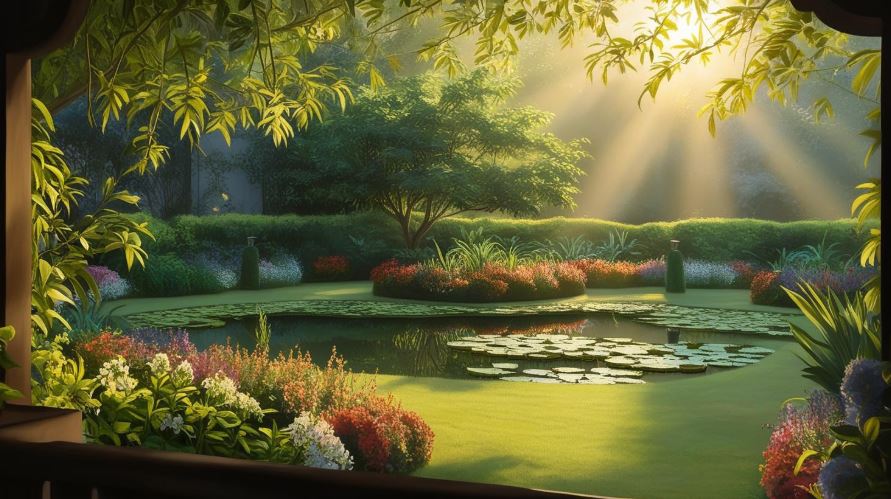
Creating a Garden for Meditation and Stillness

In today’s fast-paced world, finding moments of calm and clarity is essential for mental well-being. A meditation garden offers a serene outdoor sanctuary where you can practice mindfulness, reflect, and reconnect with nature.

Inspired by Zen garden principles and thoughtful design, a meditation garden transforms any space, large or small, into a haven for stillness and tranquillity. Whether you’re a beginner or an experienced gardener, creating a tranquil garden is an achievable and rewarding project. This guide will walk you through the steps to design a garden for mindfulness, blending practical tips with insights on fostering peace and balance.

Understanding the Purpose of a Meditation Garden

A meditation garden is more than just a landscaped yard it’s a dedicated space designed to promote relaxation, reflection, and mental clarity

The goal is to create an environment that invites you to slow down, breathe deeply, and engage in mindfulness practices. By incorporating elements that soothe the senses and quiet the mind, a meditation garden becomes a retreat from daily stress.

The benefits of such a space are profound. Spending time in a garden for relaxation can reduce anxiety, improve focus, and enhance emotional well-being. Whether used for meditation, yoga, or simply sitting in stillness, this garden serves as a personal oasis for nurturing inner peace.

Key Principles of Zen and Meditation Gardens

The foundation of a meditation garden lies in Zen garden principles, which emphasize simplicity, balance, and harmony. These gardens, rooted in Japanese tradition, are designed to evoke a sense of calm and spiritual connection. The seven guiding principles include:
Austerity: Minimalist designs that avoid excess.

🦋 Simplicity: Clean lines and uncluttered spaces.
🦋 Naturalness: Elements that blend seamlessly with the environment.
🦋 Asymmetry: Organic, imperfect arrangements that feel authentic.
🦋 Mystery: Subtle features that invite contemplation.
🦋 Unconventionality: Unique designs that break from tradition.
🦋 Stillness: Spaces that encourage quiet reflection.

By embracing simplicity in garden design, you create a space that feels balanced and serene. For a deeper dive into these principles, check out Bower & Branch’s guide on Zen gardens. Incorporating these ideas ensures your garden fosters balance and harmony, making it an ideal setting for meditation.

Choosing the Right Location and Layout

Selecting the perfect spot for your meditation garden is a critical first step. Look for a private garden space that feels quiet and secluded, away from noisy roads or busy areas. A flat, shaded area works best, as it provides a comfortable foundation for seating and pathways. If your yard is small, don’t worry a corner of a patio or a balcony can be transformed into a tranquil retreat.

Consider the size of your space and how you’ll use it. A larger garden might include winding paths and multiple seating areas, while a smaller one could focus on a single focal point, like a statue or fountain. Sketch a simple layout or create a mood board to visualise your garden layout for meditation. This planning stage helps you choose elements that fit your space and aesthetic.

Essential Elements to Include

A well-designed meditation garden incorporates elements that engage the senses and encourage mindfulness. Here are the key components to consider:

🦋 Seating: Choose comfortable, weather-resistant options like a wooden bench, stone seat, or cushioned rocking chair. Place seating in a spot with a calming view, such as a water feature or plant arrangement.

🦋 Focal Points: A statue, boulder, or lantern serves as a visual anchor, drawing the eye and encouraging contemplation. A Buddha statue or a simple stone can work beautifully.

🦋 Water Features: The gentle sound of water is inherently soothing. Consider a small fountain, pond, or birdbath to add auditory tranquillity. Learn more about water features at Garden Design’s Zen garden guide.

🦋 Plants: Select plants for a relaxation garden that are aromatic, native, or low-maintenance. Lavender, jasmine, or ornamental grasses add scent and texture without overwhelming the space.

🦋 Paths and Ground Cover: Create meandering paths with gravel, sand, or natural stone to encourage slow, mindful walking. Raked gravel or moss can enhance the Zen aesthetic.

By thoughtfully combining these elements, you create a cohesive and inviting meditation garden. Keywords like meditation garden seating and water features for meditation garden ensure your design resonates with readers searching for inspiration.

Design Tips and Maintenance Considerations

To achieve a peaceful meditation garden, prioritize simplicity and avoid clutter. Use muted colors such as greens, grays, and earth tones to create a calming atmosphere. Pay attention to scale: a small garden might feature a single water feature, while a larger space could include multiple focal points. Flexibility is key experiment with plant choices or rearrange elements to suit your preferences.

Maintenance is equally important to keep your garden inviting. Regularly prune plants, clean water features, and rake gravel paths to maintain a tidy appearance. Choose low-maintenance plants like succulents or native species to reduce upkeep. For more meditation garden design tips, explore Horticulture Magazine’s guide. A well-maintained garden ensures a consistently serene experience.

Incorporating Personal and Spiritual Elements

Your meditation garden should reflect your unique personality and spiritual practices. Add meaningful objects like crystals, wind chimes, or a small altar to personalize the space. These elements enhance the spiritual garden design and make the garden feel like an extension of your inner world.

Use the garden for mindfulness rituals, such as mindful breathing exercises, yoga, or journaling. For example, you might meditate by focusing on the sound of a fountain or practice walking meditation along a gravel path. These activities deepen your connection to the space and amplify its calming effects.

Benefits of a Meditation Garden for Mental and Spiritual Health

A meditation garden offers powerful benefits for mental health and spiritual growth. Spending time in nature has been shown to reduce stress, lower blood pressure, and improve mood, according to studies cited in Totally Tropical Shop’s meditation garden guide. The act of tending to your garden whether raking gravel or watering plants can itself be a meditative practice, fostering mindfulness and presence.

Spiritually, a dedicated garden space deepens your connection to yourself and the natural world. It provides a quiet setting for reflection, prayer, or gratitude practices, helping you cultivate inner peace. Whether you’re seeking stress relief or a stronger spiritual practice, a meditation garden is a transformative addition to your home.

Conclusion

Creating a garden for meditation and stillness is a meaningful way to nurture your mental and spiritual well-being. By applying Zen garden principles, choosing the right elements, and personalising your space, you can design a tranquil sanctuary that invites mindfulness and peace. Whether your garden is a sprawling backyard or a cosy balcony, the key is to keep it simple, intentional, and reflective of your unique needs.

Ready to start your meditation garden journey? With a little planning and creativity, your garden for mindfulness will become a cherished space for relaxation and reflection.

The Spiritual Language of Flowers Unlocking the Symbolism and Sacred Meanings Behind Nature’s Blooms

In the delicate petals of a lotus or the vibrant glow of a marigold, flowers whisper truths that transcend their fleeting beauty. Across centuries and cultures, they have been more than mere adornments; they are emissaries of the divine, carrying messages of love, hope, and transformation.

This is the language of flowers, floriography a silent yet profound form of communication that encodes emotions, spiritual insights, and sacred connections. From ancient rituals to modern meditations, flowers have guided humanity toward deeper understanding, bridging the earthly and the eternal. In this exploration, we unravel the spiritual significance of blooms, their roles in sacred traditions, and how their timeless symbolism can enrich our lives. By learning to “listen” to flowers, we open ourselves to nature’s wisdom, finding pathways to personal growth, healing, and communion with the divine.

What is the Spiritual Language of Flowers?

Floriography, the art of communicating through flowers, emerged as a sophisticated code in Victorian England, where bouquets conveyed sentiments too delicate for words. Yet, its roots stretch far deeper, woven into ancient mythologies, religious texts, and cultural practices. Flowers speak through their type, colour, and context. A red rose whispers love, a white lily purity, a marigold devotion. This language is not arbitrary; it is shaped by nature’s cycles, human stories, and spiritual associations.

Spiritually, flowers are more than symbols; they are vessels of meaning. Their ephemeral blooms mirror life’s transience, while their resilience reflects renewal. A lotus rising from muddy waters embodies enlightenment, its pristine petals untouched by chaos. Colors amplify these messages: white for purity, red for passion, yellow for joy. Across cultures, flowers bridge the mundane and the sacred, offering a universal dialect of the soul.

The Role of Flowers in Spiritual Traditions and Rituals

Flowers have long been sacred tools in spiritual practices, their beauty and fragrance evoking reverence. In Hinduism, marigolds adorn altars during Diwali, their golden hues symbolising devotion and prosperity. In Buddhism, the lotus is a cornerstone; its journey from murky depths to radiant bloom mirroring the path to nirvana. Christianity venerates the white lily, a symbol of the Virgin Mary’s purity and Christ’s resurrection. Ancient Greeks wove flowers into myths, narcissus for vanity, hyacinth for rebirth, infusing them with divine narratives.

In rituals, flowers serve as offerings, mediators, and conduits. In Hindu puja, jasmine garlands honour deities, their scent believed to attract divine presence. Buddhist monks scatter petals in meditation, each falling bloom a reminder of impermanence. In Mexican Día de los Muertos, marigolds guide ancestral spirits home, their vivid colour a beacon across realms. Flowers purify spaces, transform energies, and connect worshippers to the divine, their fleeting lives a testament to eternity within the ephemeral.

🐞 Callout: A Petal’s Power
In a Buddhist temple, a single lotus petal offered in meditation can symbolize a step toward enlightenment.

Ten Sacred Flowers and Their Spiritual Meanings

Flowers carry unique spiritual signatures, shaped by their form, folklore, and cultural roles. Below are ten blooms and their sacred meanings, each a key to unlocking nature’s wisdom.

🐞 Lotus: Rising from muddy waters, the lotus is a universal symbol of purity, enlightenment, and spiritual awakening. In Buddhism and Hinduism, it represents the soul’s triumph over adversity. Its colours, white for purity, pink for divine love, deepen its significance.

🐞 Rose: The rose is the flower of divine love, beauty, and hope. Red roses signify passion and sacrifice, white roses purity and innocence, yellow roses friendship and joy. In Christian mysticism, the rose is linked to the heart of Christ.

🐞 Marigold: In Hindu rituals, marigolds (Tagetes spp.) embody devotion and prosperity, their golden petals offered to deities like Ganesha. In Mexican traditions, they honor the dead, guiding spirits with their vibrant hue and scent.

🐞 Jasmine: Known for its intoxicating fragrance, jasmine symbolises divine love and spiritual purity. In Hindu weddings, jasmine garlands bind couples, signifying eternal devotion. Its white petals evoke the moon’s gentle grace.

🐞 Calla Lily: With its elegant, trumpet-like form, the calla lily represents purity, holiness, and rebirth. In Christianity, it is associated with resurrection, often adorning Easter altars. Its sleek beauty speaks of divine elegance.

🐞 Lily of the Valley: These delicate, bell-shaped flowers symbolise humility, purity, and the return of happiness. In Christian lore, they are “Mary’s tears,” shed at the Crucifixion, embodying compassion and renewal.

🐞 Clover: A humble bloom, clover signifies luck, protection, and the divine trinity in Christianity (three leaves for Father, Son, Holy Spirit). A rare four-leaf clover is a talisman of grace and fortune.

🐞 Forget-Me-Not: These tiny blue flowers carry a poignant message of remembrance, eternal love, and fidelity. In medieval Europe, they symbolised undying devotion, a whisper of connection across time.

🐞 Chrysanthemum: In Buddhism, chrysanthemums represent longevity and the impermanence of life. In Japan, they are imperial symbols, their layered petals evoking resilience and honor.

🐞 Sunflower: Radiant and bold, sunflowers symbolise faith, vitality, and devotion, their faces tracking the sun as if in worship. In spiritual contexts, they inspire unwavering trust in the divine.

🐞 Example: A Rose’s Message
Gifting a red rose to a loved one can be a prayer for their heart to be filled with divine love, its thorns a reminder of love’s sacrifices.

How to Use the Spiritual Language of Flowers in Daily Life

The language of flowers is not confined to ancient rituals; it can transform modern spiritual practices. Here’s how to weave their symbolism into daily life:

🐞 Meditation and Reflection: Place a lotus or jasmine bloom on your altar to focus your mind. Visualise their qualities, purity, and love as you meditate, letting their energy guide you.

🐞 Healing Practices: Use rose petals in a bath to invite self-love or marigold-infused oil for emotional warmth. Their vibrations can soothe the spirit, as practised in aromatherapy.

🐞 Personal Rituals: Create intention-based bouquets. Pair white lilies for clarity with sunflowers for optimism to manifest goals. Offer them to a sacred space or gift them mindfully.

🐞 Expressing Emotions: Choose flowers to convey unspoken feelings. A forget-me-not for a grieving friend or a clover for luck in new ventures speaks louder than words.

🐞 Tip: Visit a local florist or garden to select blooms intuitively. Let their colours and scents guide your choices, trusting nature’s wisdom.

Flowers as a Universal Spiritual Language

Flowers transcend cultural and religious boundaries, their symbolism resonating across time and place. The lotus, revered in Egypt, India, and China, speaks of universal enlightenment. The rose, cherished in Persian poetry, Christian mysticism, and Sufi traditions, embodies love’s divine essence. Marigolds, sacred in India and Mexico, bridge life and death with their golden light. This shared language reflects humanity’s common quest for meaning love, faith, remembrance, hope encoded in petals and fragrance.

In today’s world, flowers remain potent spiritual tools. They grace mindfulness retreats, wedding altars, and memorial services, their presence grounding us in the present while pointing to the eternal. A sunflower in a yoga studio or a jasmine garland in a modern puja reminds us that nature’s symbols endure, offering solace and inspiration. By engaging with flowers, we tap into a timeless dialogue, one that fosters personal growth and collective healing.

Conclusion

The spiritual language of flowers is a bridge between the natural and divine, a lexicon of petals that speaks to the heart. From the lotus’s ascent to the rose’s tender embrace, each bloom carries a sacred message, inviting us to pause, reflect, and connect. By understanding their symbolism, we unlock tools for meditation, healing, and ritual, enriching our spiritual journeys.

Flowers remind us that beauty is fleeting yet eternal, a paradox that mirrors the soul’s own path. As you walk through a garden or pass a florist’s stall, pause to listen. What truths do the blooms whisper? Create a ritual, offer a petal, or simply marvel at their grace. In the language of flowers, every blossom is an invitation to grow, love, and honour the divine within and around us.

Planting for Pollinators: A Gift of Flowers for the Bees

Planting for Pollinators:

In the quiet hum of a summer garden, bees weave their tireless dance, stitching together the threads of life itself. These tiny pollinators, from plump bumblebees to delicate solitary species, are the unsung heroes of ecosystems and agriculture, enabling the reproduction of 70% of global crops and countless wildflowers. Yet, their populations are in freefall, battered by habitat loss, pesticides, and climate change.

The UK alone has lost 97% of its flower-rich meadows since the 1940s, leaving bees starving for nectar and pollen. As gardeners, we hold the power to reverse this decline, transforming our plots, however small, into vibrant sanctuaries. Planting for Pollinators: A Gift of Flowers for the Bees is a call to action, urging us to create year-round havens that sustain bees and, in turn, the ecosystems we all depend on. Through strategic planting, thoughtful design, and a rejection of harmful practices, every flower we sow becomes a lifeline in the race to save these vital creatures.

The Plight of Pollinators

Bees are the backbone of biodiversity. They pollinate apples, berries, and almonds, securing a third of our food supply, while their work sustains wildflowers that feed birds, mammals, and insects. But their numbers are dwindling at an alarming rate. Studies, such as those from Friends of the Earth, report a 30-50% decline in European bee populations over recent decades, driven by a toxic cocktail of threats. Urban sprawl and industrial agriculture have obliterated meadows, replacing them with monocultures and concrete. Pesticides, particularly neonicotinoids, poison bees or impair their navigation, while climate change disrupts blooming cycles, leaving bees without food when they need it most. The ripple effects are profound: without bees, ecosystems falter, crops fail, and food security wanes.

This crisis is not abstract, it’s visible in our gardens, where silent springs signal fewer buzzing visitors. Yet, there is hope. Campaigns like Friends of the Earth’s Bee Cause and the British Beekeepers Association’s (BBKA) gardening guides underscore the power of collective action. Gardeners, whether tending sprawling lawns or urban balconies, can provide what bees need most: a steady supply of nectar and pollen, safe nesting sites, and a pesticide-free refuge. Every flower counts, and every garden can be a sanctuary.

A Year-Round Feast: Plants for Every Season

To sustain bees, gardens must offer a continuous buffet, with blooms spanning all seasons. The Royal Horticultural Society (RHS) and Gardeners’ World provide expert-backed lists of bee-friendly plants, tailored to each season’s challenges. In winter, when nectar is scarce, hellebores (Helleborus niger) and crocus (Crocus tommasinianus) offer vital sustenance for overwintering bumblebees, their cup-shaped flowers brimming with pollen. Mahonia, with its fragrant yellow spikes, and winter aconite (Eranthis hyemalis), a low-growing gem, light up frosty borders, ensuring early foragers don’t starve.

Spring heralds the awakening of hibernating bees, who rely on bluebells (Hyacinthoides non-scripta), flowering currants (Ribes sanguineum), and pulmonaria (Pulmonaria ‘Blue Ensign’) to rebuild their strength. These plants, rich in nectar, thrive in varied conditions, from shady woodlands to sunny beds. Summer, the peak foraging season, demands long-blooming stars like lavender (Lavandula angustifolia ‘Hidcote’), single dahlias (Dahlia ‘Bishop of Llandaff’), and honeysuckle (Lonicera periclymenum), whose open structures welcome bees of all sizes. As autumn fades, sedum (Hylotelephium spectabile), aster (Aster x frikartii ‘Mönch’), and devil’s bit scabious (Succisa pratensis) extend the feast, stocking bees’ larders before winter.

For relentless bloomers, Erysimum ‘Bowles Mauve’ stands out, its purple flowers persisting nearly year-round, a steadfast ally in any bee garden. By planting these species in clusters of three to five, gardeners create efficient foraging hubs, as bees prefer to focus on one flower type per trip. This seasonal strategy, rooted in RHS’s Plants for Pollinators lists, ensures bees never go hungry, no matter the month.

Designing a Bee Sanctuary

A bee-friendly garden is more than a collection of flowers it’s a holistic habitat. Bees need shelter, water, and safety alongside their floral buffet. The BBKA and GrowVeg emphasise planting in dense patches to maximise foraging efficiency, mixing heights and shapes for visual and ecological richness. A border blending tall asters, mid-height lavender, and ground-hugging crocus draws bees like a beacon, their clustered blooms signalling abundance.

Shelter is equally critical. Solitary bees, which make up 70% of UK species, nest in bare soil or hollow stems. Leaving patches of undisturbed earth and installing bee hotels, simple structures of drilled wood or bamboo canes, provides safe havens. Log piles or hedgehog-friendly corners not only shelter bees but also attract pest-eating allies like hedgehogs, creating a balanced ecosystem. Water, often overlooked, is a lifeline in dry summers. Shallow dishes filled with pebbles or marbles offer safe drinking spots, refreshed weekly to stay clean.

Small spaces shine as powerfully as large ones. A 2m² balcony, packed with potted lavender, sedum, and a bee hotel, can support dozens of bees daily. Urban gardeners like Sarah in London prove this, reporting bumblebee visits within weeks of planting. Community efforts, such as Devon’s 500m² wildflower meadow, guided by BBKA advice, show even greater impact, tripling bee sightings in two years. Whether a window box or a field, every plot can be a pollinator paradise.

Steering Clear of Harm

To truly help bees, gardeners must abandon practices that harm them. Pesticides are the most insidious threat. Neonicotinoids, banned in the EU but still present in some products, devastate bee colonies by disrupting their nervous systems. Organic alternatives, like neem oil or companion planting with pest-repelling marigolds, offer safer solutions, as recommended by the RHS. Encouraging natural predators, such as ladybirds, further reduces the need for chemicals.

Plant choice also matters. Double-flowered varieties, like certain roses or peonies, may look lush, but their extra petals block access to nectar and pollen, rendering them useless to bees. Single-flowered plants, such as single dahlias or open roses (Rosa rugosa), are far more effective, their accessible centres inviting pollinators. Gardeners should seek out RHS Plants for Pollinators labels or consult Gardeners’ World guides to ensure their choices benefit bees.

The Power of Action

The beauty of planting for pollinators lies in its accessibility. Anyone with a trowel and a seed packet can make a difference. Start small: this weekend, buy a pot of lavender ‘Hidcote’ or a hellebore ‘Winter Beauty’ from suppliers like Crocus or Sarah Raven. Build a bee hotel following Gardeners’ World’s simple tutorial, using bamboo and untreated wood. Sow a wildflower mix from Emorsgate Seeds, packed with native ox-eye daisies and cornflowers, to create a mini-meadow by next summer.

These actions, however modest, add up. A single bee can pollinate 5,000 flowers in a day, meaning one well-planted garden can fuel hundreds of bees. Urban transformations, like Sarah’s balcony, and rural triumphs, like Devon’s meadow, show that scale is no barrier. The urgency is clear, bees can’t wait. But the hope is palpable: every flower we plant is a step toward recovery.

A Call to Bloom

Bees are the heartbeat of our world, and their survival rests in our hands. By planting a year-round floral feast, designing thoughtful habitats, and rejecting harmful practices, we can turn our gardens into sanctuaries that hum with life. The resources are at our fingertips: RHS Plants for Pollinators lists, BBKA’s gardening guides, and trusted suppliers like Crocus and Emorsgate Seeds. The task is simple yet profound: sow a seed, plant a flower, build a shelter. In the race to save bees, every garden is a battlefield, and every bloom is a victory. Let’s give bees the gift of flowers and a future to thrive in.