


The world of ornamental shrubs is filled with stunning plants that bring beauty and charm to gardens, and among them, Prunus triloba, along with its captivating cultivars Alba Plena and Rosea Plena, stands out as a favourite for both novice and seasoned gardeners.
These flowering shrubs, often referred to as dwarf flowering almonds or flowering plums, are celebrated for their spectacular spring blooms, compact size, and versatility in garden design. In this essay, we’ll dive into everything you need to know about Prunus triloba, Alba Plena, and Rosea Plena, from their botanical characteristics and cultural significance to their care requirements and practical uses in landscaping.
Botanical Background and Classification
Prunus triloba, commonly known as the flowering plum or three-lobed almond, is a deciduous shrub native to northern and eastern China and parts of Korea. It belongs to the Rosaceae family, a diverse group that includes roses, apples, cherries, and other fruit-bearing and ornamental plants.
The genus Prunus is expansive, encompassing approximately 400 species of trees and shrubs, many of which are valued for their flowers, fruits, or both, as noted by the Missouri Botanical Garden. Prunus triloba is primarily grown for its ornamental qualities, particularly its abundant spring blossoms, rather than for edible fruit.
The name triloba refers to the shrub’s leaves, which often have three lobes, giving them a distinctive shape compared to other Prunus species. While Prunus triloba itself is a lovely plant, its cultivars Alba Plena and Rosea Plena are especially prized for their double-flowered blooms, which are fuller and more visually striking than the single flowers of the species.
These cultivars are often confused with Prunus glandulosa, another closely related dwarf flowering almond, due to their similar appearance and growth habits. However, Prunus triloba tends to be taller, potentially reaching 10–15 feet if unpruned, while Prunus glandulosa typically stays under 6 feet.
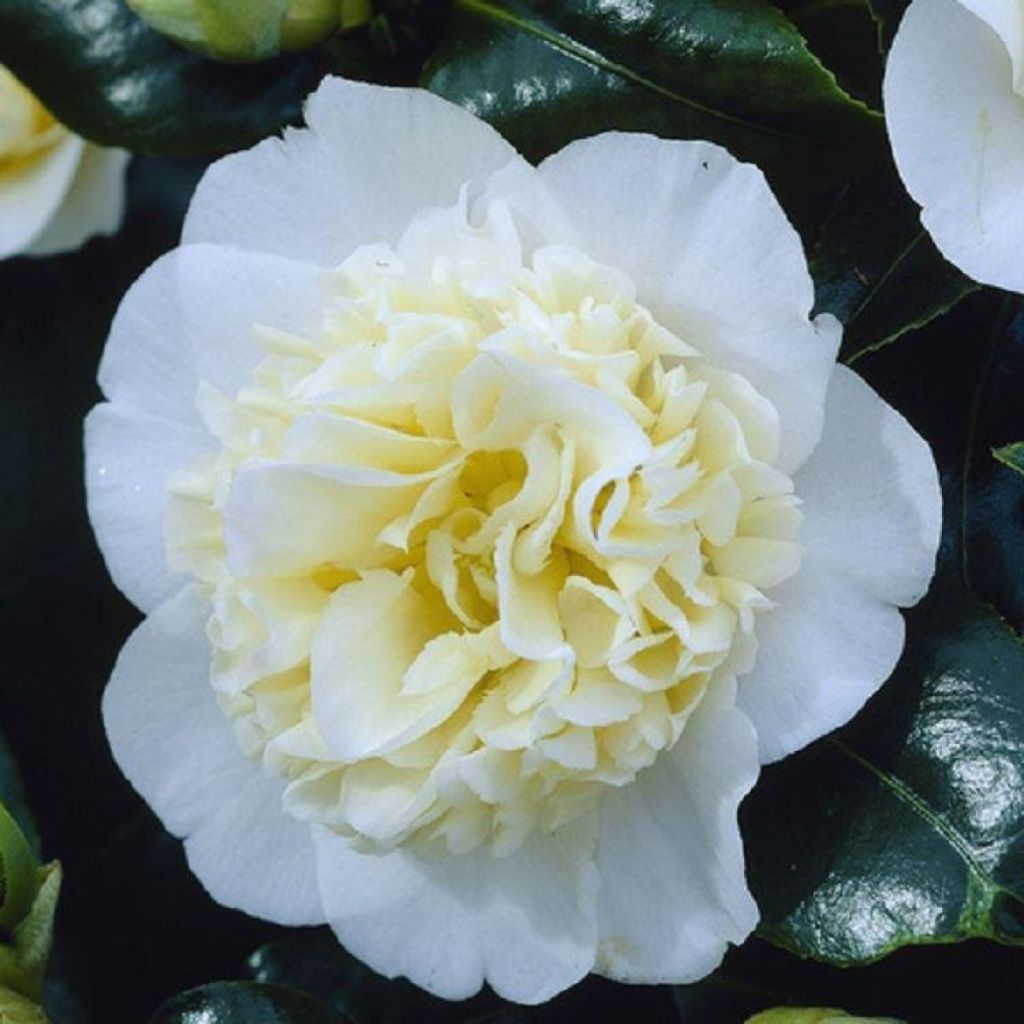
Alba Plena: This cultivar is known for its pure white, double flowers that create a snow-like effect in spring. The term Alba Plena translates to “white and full,” reflecting the abundant, multi-petaled blooms that cover the shrub.
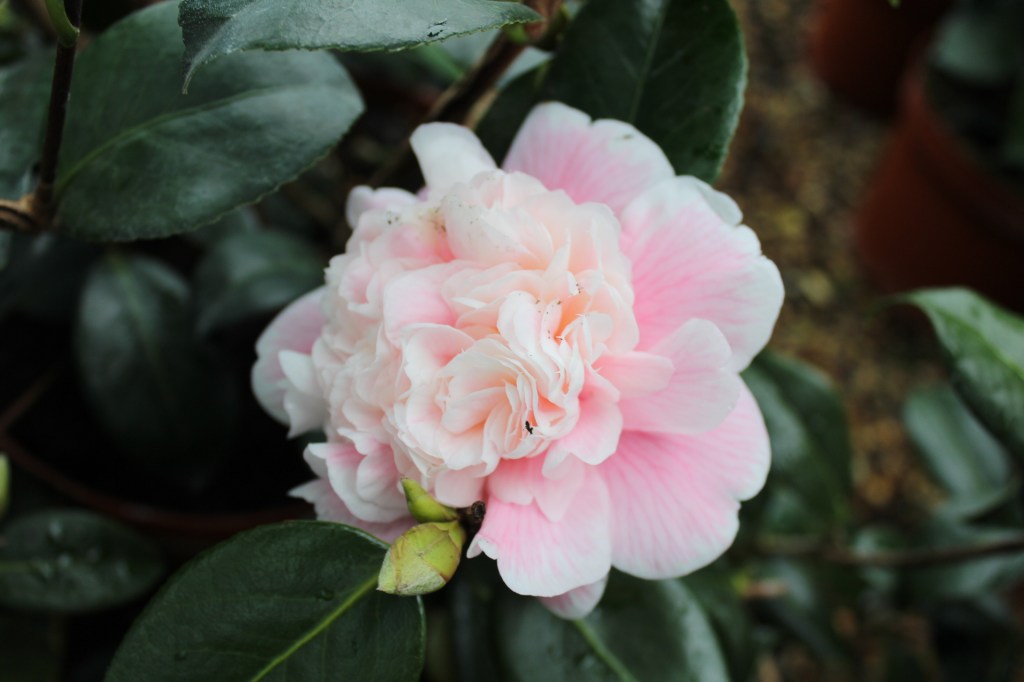
Rosea Plena: Also known as Sinensis in some contexts, this cultivar produces delicate pink, double flowers that resemble fluffy pom-poms. Rosea Plena means “pink and full,” highlighting its soft, pastel-colored blossoms.
Both cultivars have been refined through centuries of cultivation, particularly in China and Japan, where double-flowered forms were developed to enhance their ornamental appeal. These plants are now widely grown in temperate regions worldwide, valued for their early spring colour and adaptability to various garden settings
Physical Characteristics
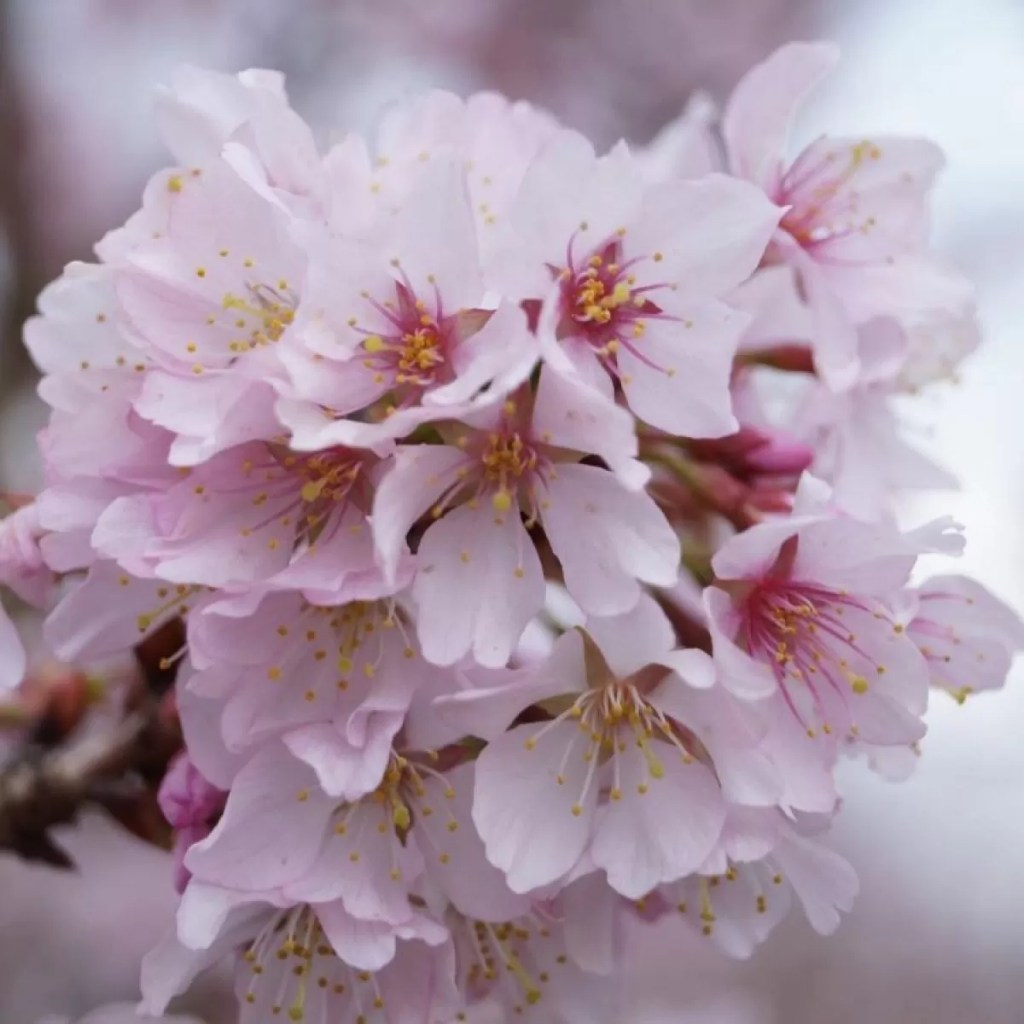
Understanding the physical traits of Prunus triloba, Alba Plena, and Rosea Plena helps gardeners appreciate their beauty and plan their placement in the landscape.
Size and Growth Habit: Prunus triloba is a medium-sized shrub that can grow 10–15 feet tall and wide if left unpruned, though it is often kept smaller through regular pruning. Alba Plena and Rosea Plena are typically more compact, reaching about 4–6 feet in height and spread, making them ideal for small gardens or container planting. Their growth habit is rounded or slightly upright, with thin, flexible branches that create a light, airy appearance.
Leaves: The leaves of Prunus triloba are ovate, often with three lobes, and measure about 2–4 inches long. They are light green in spring and summer, turning to shades of yellow, orange, or red in autumn, adding seasonal interest. The foliage of Alba Plena and Rosea Plena is similar, though slightly finer, complementing the delicate flowers.
Flowers: The standout feature of these plants is their spring bloom, which occurs in April or May, often before the leaves emerge. Prunus triloba produces single, pink or white flowers, but Alba Plena and Rosea Plena are renowned for their double flowers, which have multiple layers of petals. Alba Plena’s white blooms are about 1 inch wide, creating a crisp, clean look, while Rosea Plena’s pink flowers, also around 1 inch, offer a softer, romantic vibe. The flowers appear in profusion, covering the branches and attracting pollinators like bees, as described in resources from Cornell University’s Gardening Resources.
Fruit: After flowering, Prunus triloba and its cultivars may produce small, dark red or purple fruits, but these are not edible and are rarely significant in ornamental contexts. Unlike Prunus dulcis (the almond tree), these shrubs do not yield edible nuts.
Bark and Stems: The stems are slender and maroon in young growth, adding subtle contrast to the foliage. The bark is smooth and unremarkable, with the plant’s primary appeal lying in its flowers and leaves.
Cultural Significance and History
Prunus triloba and its cultivars have a rich history, particularly in East Asian horticulture. Native to China, the species has been cultivated for centuries, with double-flowered forms like Alba Plena and Rosea Plena developed through selective breeding in China and Japan. These cultivars were introduced to Europe and North America in the 17th and 19th centuries, where they became popular in ornamental gardens. The rosy Rosea Plena was among the first to gain prominence in Western gardens, valued for its vibrant spring display.
In Chinese and Japanese culture, Prunus species, including plums and cherries, symbolise resilience and renewal, as they bloom early in spring, often while frost still lingers. The delicate yet abundant flowers of Alba Plena and Rosea Plena embody this spirit, making them cherished additions to traditional and modern gardens. Their compact size and striking blooms also made them ideal for bonsai and container gardening, further enhancing their cultural versatility, as highlighted by the American Bonsai Society.
In Western gardens, these shrubs are often used to herald the arrival of spring, planted alongside other early bloomers like daffodils, hyacinths, and crocuses. Their ability to thrive in small spaces has made them a staple in urban and suburban landscapes, where they add a burst of colour without overwhelming the space.
Growing Conditions and Care
To successfully grow Prunus triloba, Alba Plena, and Rosea Plena, gardeners must provide the right conditions and care. These shrubs are relatively low-maintenance but benefit from attention to their specific needs, as outlined by experts at RHS Gardening.
Light: These plants thrive in full sun, requiring at least 6 hours of direct sunlight daily for optimal flowering. They can tolerate partial shade, but blooms may be less abundant. A south- or west-facing position is ideal.
Soil: They prefer rich, well-drained soil with a slightly acidic to neutral pH. Loamy or humus-rich soil is best, though they can adapt to various soil types as long as drainage is good. Poorly drained or sandy soils may stunt growth or reduce flowering.
Watering: Regular watering is essential, especially during the first few years after planting. Keep the soil moderately moist but not waterlogged. Once established, these shrubs are somewhat drought-tolerant but perform best with consistent moisture.
Pruning: Pruning is critical for maintaining the shape and health of Prunus triloba and its cultivars. These shrubs flower on old wood (growth from the previous year), so pruning should be done immediately after flowering in late spring to avoid removing next year’s flower buds. Remove dead or damaged branches, thin out crowded areas, and shape the plant as desired. Regular pruning also encourages vigorous new growth, which enhances flowering. Suckers (shoots emerging from the base) should be removed unless you want the shrub to naturalize and spread.
Fertilising: Apply a balanced fertiliser in early spring to support growth and flowering. Avoid over-fertilising, as excessive nitrogen can lead to lush foliage at the expense of flowers.
Winter Hardiness: These shrubs are hardy to USDA Zone 4, tolerating temperatures as low as -15°C (5°F). They are generally frost-resistant but may suffer flower damage during late spring frosts. A sheltered location can help protect blooms.
Pests and Diseases: Prunus triloba is susceptible to pests like aphids, scale, and spider mites, as well as diseases such as fire blight, leaf spot, powdery mildew, and root rot. Regular inspection, proper spacing for air circulation, and prompt removal of affected parts can minimise issues, as advised by the University of California’s Integrated Pest Management. Mice may also damage the base of the plant, so protective barriers may be needed in some areas.
Landscape Uses and Design Ideas
The compact size and stunning blooms of Prunus triloba, Alba Plena, and Rosea Plena make them versatile for various garden styles:
Focal Point: Their spring display makes them ideal as standalone specimens in small gardens or courtyards, where their flowers can take center stage.
Mixed Borders: Pair them with other spring-flowering shrubs (e.g., azaleas, forsythia) or bulbs (e.g., tulips, daffodils) for a vibrant seasonal display.
Hedges and Screens: When planted in rows, they can form low, flowering hedges or green screens, though pruning is needed to maintain shape.
Containers: Their compact size suits container gardening on patios or balconies, especially for urban gardeners. Ensure pots have good drainage and winter protection.
Bonsai or Topiary: Their flexible branches and fine foliage make them excellent candidates for bonsai or shaped topiary in formal gardens.
Naturalized Areas: In woodland or cottage gardens, they can spread via suckers, creating a naturalistic look.
For a striking contrast, plant Alba Plena and Rosea Plena together, blending white and pink blooms for a harmonious effect. Their autumn foliage also complements fall-blooming plants like asters or chrysanthemums.
Challenges and Considerations
While Prunus triloba, Alba Plena, and Rosea Plena are relatively easy to grow, they have some limitations:
Short Bloom Period: The flowers, though spectacular, last only 2–3 weeks and may be damaged by late frosts.
Lifespan: With excellent care, these shrubs can live up to 20 years, but pest and disease issues often shorten their lifespan to 10 years or less.
Non-Edible Fruit: Unlike some Prunus species, their fruits are not suitable for consumption, which may disappoint those expecting edible yields.
Maintenance: Regular pruning and pest management are necessary to keep them healthy and attractive, which may be a commitment for some gardeners.
Despite these challenges, their beauty and versatility make them well worth the effort for most gardeners.
Propagation and Availability
Prunus triloba, Alba Plena, and Rosea Plena can be propagated through:
Softwood Cuttings: Take 4–6 inch cuttings in early summer, treat with rooting hormone, and plant in a moist, well-drained medium. Rooting takes 4–8 weeks.
Layering: Bend a low branch to the ground, secure it, and cover with soil. Roots form within a year, after which the new plant can be separated.
Suckers: Dig up suckers with roots attached and replant them, ensuring adequate water until established.
These shrubs are widely available at nurseries, garden centres, and online retailers like Bakker.com or Fedco Seeds. Prices vary, with 1–3-foot plants typically costing $15–$50, depending on size and region.
Conclusion
Prunus triloba, Alba Plena, and Rosea Plena are treasures in the world of ornamental gardening, offering a dazzling spring display, compact growth, and versatility for various landscapes. Their double-flowered blooms, rich history, and adaptability make them a favourite for gardeners seeking beauty with moderate effort. By providing proper care, sun, well-drained soil, timely pruning, and pest management, these shrubs can thrive for years, bringing joy each spring.
Whether you’re a beginner planting your first garden or an experienced horticulturist designing a masterpiece, these Prunus cultivars are sure to enchant and inspire.
For those eager to explore further, visit local botanical gardens, join gardening clubs, or consult resources like the Royal Horticultural Society (RHS) for expert tips. With Prunus triloba, Alba Plena, and Rosea Plena, your garden will bloom with timeless elegance, celebrating the fleeting yet unforgettable beauty of spring.

 Blossoms & Blooms