

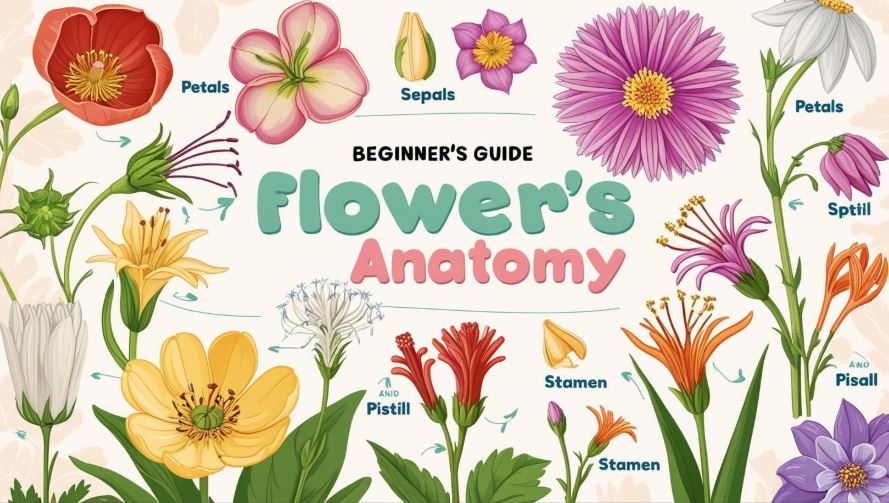
Flower Anatomy: A Beginner’s Guide to Understanding Flowers

Flowers are beautiful and fascinating parts of plants, but they’re more than just pretty decorations. They’re the key to how most plants reproduce, creating seeds that grow into new plants. Think of a flower as a specialized factory designed to make sure plants can pass on their genes.

To do this, flowers have different parts, each with a specific job. This essay will explain flower anatomy in simple terms, breaking down the main parts, what they do, and why they matter. Whether you’re curious about the roses in your garden or the daisies in a field, this guide will help you understand how flowers work.

What Is a Flower?

A flower is a part of a plant that helps it reproduce. Most plants that produce flowers are called angiosperms, or flowering plants, and they include everything from sunflowers to apple trees. Flowers are usually found at the end of a stem, and they’re made up of several parts that work together.

These parts are arranged in layers, like rings, around a central point called the receptacle, which is the base of the flower. The four main layers are the sepals, petals, stamens, and pistils. Some flowers have all these parts (called complete flowers), while others might be missing one or more (called incomplete flowers).

Flowers come in all shapes, sizes, and colors because they’ve evolved to attract animals like bees, birds, or even bats to help with reproduction. This process is called pollination, where pollen (a powdery substance) moves from one flower to another to start making seeds. Let’s explore each part of a flower to see how it helps the plant.

The Outer Parts: Sepals and Petals

Sepals

Imagine a flower bud that hasn’t opened yet. The sepals are the tough, green outer layer that protects it, like a cozy blanket. Sepals are usually leaf-like and form a ring called the calyx around the flower bud. Their job is to shield the delicate inner parts from things like bugs, rain, or harsh sunlight while the flower is still developing.

Once the flower blooms, sepals often stay at the base, looking like small green leaves under the petals. In some plants, like roses, sepals are thick and sturdy. In others, like lilies, they can look colourful and almost like petals. The number of sepals depends on the plant some have three, others have five or more. After the flower opens, sepals might fall off, stay in place, or even help form part of a fruit, like in apples.

Petals

The petals are the colourful, eye-catching part of a flower that we often notice first. They form a ring called the corolla, just inside the sepals. Petals are like billboards advertising the flower to pollinators like bees or butterflies. Their bright colours (red, yellow, purple, etc.), sweet smells, or even patterns we can’t see (like UV markings for bees) are designed to say, “Come here!”

Petals can be soft and delicate, and their shape varies a lot. For example, sunflowers have wide, flat petals that act like a landing pad for bees, while tube-shaped petals in flowers like honeysuckle are perfect for hummingbirds with long beaks. Some flowers, like grasses, don’t need pollinators and have tiny or no petals because they rely on wind to carry pollen. In certain plants, petals and sepals look so similar that they’re called tepals, like in tulips.

The Reproductive Parts: Stamens and Pistils

The sepals and petals are important, but the real action happens in the flower’s reproductive parts: the stamens (male parts) and the pistils (female parts). These are the parts that make pollen and create seeds.

Stamens

The stamens are the male parts of the flower, and they produce pollen, which is like the plant’s version of sperm. A group of stamens is called the androecium. Each stamen has two main parts:
Filament: This is a thin stalk, like a tiny pole, that holds up the pollen-making part.

Anther: At the top of the filament, the anther is a small sac where pollen is made. Inside the anther, special cells split to create tiny pollen grains, each carrying the male reproductive cells.

When the anther is ready, it opens up to release pollen. This might happen when a bee lands on the flower and shakes the pollen out, or the wind might blow it away. Different flowers have different numbers of stamens some, like roses, have lots, while others, like orchids, might have just one or two. In some flowers, stamens can even look like petals to help attract pollinators, but they don’t make pollen.

Pistils

The pistil is the female part of the flower, often found right in the centre. A group of pistils is called the gynoecium. A pistil has three parts:
Stigma: This is the sticky or feathery top where pollen lands. It’s designed to catch pollen, whether it’s carried by a bee or blown by the wind.

Style: The style is a long, thin tube that connects the stigma to the ovary. It holds the stigma up high so it can grab pollen easily.

Ovary: The ovary is the swollen base of the pistil, like a little container. Inside are ovules, which are like plant eggs. After pollen reaches the ovules, they can turn into seeds.

Some flowers have one pistil, while others have several. The ovary’s position also varies it might sit above the other parts (called a superior ovary, like in lilies) or below them (an inferior ovary, like in apples). After pollination, the ovary often grows into a fruit, like a tomato or an orange, with the seeds inside.

How Flowers Work: Pollination and Seed-Making

Now that we know the parts, let’s see how they work together. The goal of a flower is to get pollen from the stamen of one flower to the stigma of another (or sometimes the same flower). This is called pollination. Here’s how it happens:

Pollen Release: The anther opens, and pollen is picked up by a pollinator (like a bee) or carried by wind or water.

Pollen Landing: The pollen lands on the stigma of another flower. The stigma’s sticky or feathery surface grabs it.

Fertilization: The pollen grain grows a tiny tube down through the style to the ovary. Inside the ovary, the pollen’s male cells join with the ovule’s female cells. This is called fertilization.

Seed and Fruit Development: The fertilized ovule turns into a seed, and the ovary often grows into a fruit to protect the seeds.

Flowers are super smart about this process. For example, some have bright petals to attract bees, while others bloom at night with white petals to draw moths. Wind-pollinated flowers, like those on corn, don’t need fancy petals they make lots of pollen and have big, feathery stigmas to catch it.

Extra Flower Features

Some flowers have bonus parts that make them even more interesting:

Receptacle: This is the base where all the flower parts attach. In strawberries, the receptacle becomes the juicy part we eat.

Nectaries: These are glands that make sweet nectar, a treat for pollinators. They’re often at the base of petals.

Bracts: These are special leaves under the flower. In poinsettias, the red “petals” are actually bracts, and the real flowers are tiny.

Why Flower Anatomy Matters

Flowers aren’t just pretty they’re vital to life. They help plants make seeds, which grow into new plants, from crops like wheat to trees like oaks.

Flowers also support animals like bees and butterflies, which rely on nectar and pollen for food. About 80% of the food we eat, like fruits, vegetables, and grains, depends on flowers and their pollinators. Without flowers, our world would be hungrier and less colourful.

Flowers also show how plants adapt to their environment. For example, desert flowers might have small petals to save water, while tropical flowers are big and bright to attract birds. Some flowers, like orchids, have super-specialized parts to work with just one type of pollinator. Others, like dandelions, pack many tiny flowers into one head to look like a big flower.

Different Kinds of Flowers

Not all flowers follow the same pattern. Some plants have separate male and female flowers (monoecious plants, like corn) or even separate male and female plants (dioecious, like holly). Some flowers don’t open at all and pollinate themselves, which is handy in tough conditions. Others, like sunflowers, are actually made of hundreds of tiny flowers working together.

Wrapping It Up

Flowers are like tiny, beautiful machines with parts that work together to help plants reproduce. Sepals protect the bud, petals attract pollinators, stamens make pollen, and pistils create seeds.

Each part has a job, and together they ensure plants can keep growing, feeding animals, and beautifying the world. Next time you see a flower, take a closer look you’ll see a masterpiece of nature that’s been perfected over millions of years. Understanding flower anatomy helps us appreciate how important plants are to our lives and the planet.
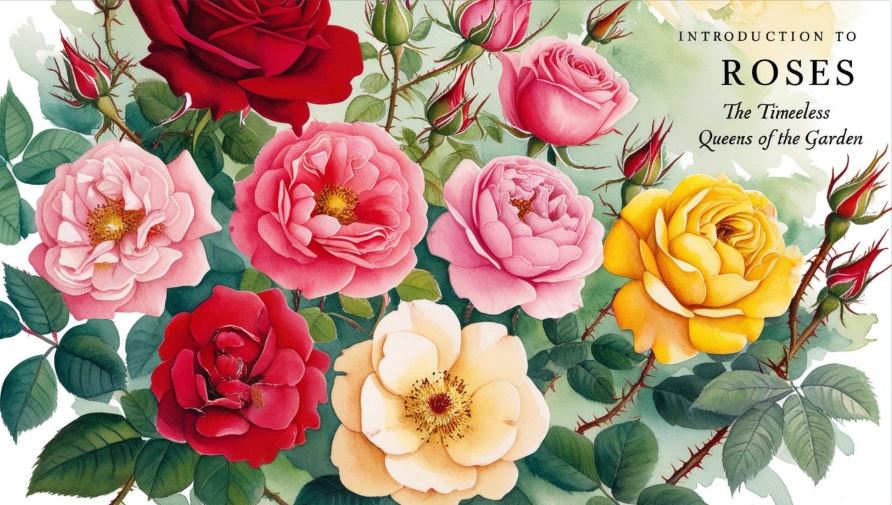
Introduction to Roses: The Timeless Queens of the Garden

Roses. The very word conjures images of romance, elegance, and vibrant garden displays. Known as the “Queen of Flowers,” roses have captivated hearts for centuries, from ancient Persian gardens to modern backyard plots. For beginner gardeners, roses might seem intimidating, don’t they seem fussy and hard to grow? Spoiler alert: they’re not as high-maintenance as you might think! With a little know-how, anyone can cultivate these iconic blooms. Whether you’re dreaming of a fragrant rose hedge, a single potted beauty, or a bouquet to gift a loved one, this guide will introduce you to the world of roses, their dazzling diversity, and how to make them thrive. Let’s dig in and discover why roses are a must-have for every garden.

What Makes Roses So Special?

Roses belong to the Rosa genus, which includes over 300 species and thousands of cultivars. Their signature features are those lush, layered petals that unfurl into blooms ranging from tiny and delicate to large and showy. Roses come in nearly every colour imaginable, classic reds, soft pinks, sunny yellows, crisp whites, and even quirky purples, blues, and greens in modern hybrids. Their fragrances are just as varied, from sweet and spicy to citrusy or musky, making them a sensory delight.

Beyond their beauty, roses are steeped in history and symbolism. In ancient Rome, they were symbols of love and secrecy (hence “sub rosa”). In medieval Europe, monasteries grew them for medicinal purposes. Today, they’re the go-to flower for weddings, anniversaries, and apologies (because who can resist a red rose?). For gardeners, roses offer versatility: they can climb trellises, form tidy shrubs, or thrive in containers. There’s a rose for every space, style, and skill level.

Types of Roses to Know

Roses are grouped into several types, each with unique traits. Here’s a quick rundown for beginners:
🌹Hybrid Tea Roses: The classic long-stemmed roses you see in florist shops. They produce large, elegant blooms, often one per stem, in colours like red (‘Mister Lincoln’) or peach (‘Just Joey’). Perfect for cutting gardens.

🌹Floribunda Roses: These are bushier and bloom in clusters, offering a riot of colour. Try ‘Iceberg’ for white blooms or ‘Julia Child’ for buttery yellow. Great for borders.

🌹Grandiflora Roses: A cross between hybrid teas and floribundas, they combine tall stems with clustered blooms. ‘Queen Elizabeth’ is a pink favorite.

🌹Climbing Roses: These vigorous growers scale walls or arbours. ‘New Dawn’ offers soft pink blooms and repeat flowering.

🌹Shrub Roses: Low-maintenance and disease-resistant, like the Knock Out series, which blooms tirelessly in red, pink, or yellow. Ideal for beginners.

🌹Miniature Roses: Tiny but mighty, these are perfect for pots or small gardens. ‘Baby Boomer’ is a cheerful pink option.

Each type has its charm, so your choice depends on your garden’s space and aesthetic. Want a romantic vibe? Go for climbers. Need low-effort colour? Shrub roses are your friends.

Popular Uses for Roses

Roses are the ultimate multitaskers. In gardens, they create focal points—think a rose-covered arch or a vibrant border. They’re also stars in cut-flower arrangements, lasting up to two weeks in a vase with proper care. Rose petals are edible and can garnish desserts or steeped in teas (just ensure they’re pesticide-free). Some roses, like Rosa rugosa, produce hips (seed pods) rich in vitamin C, used in jams or herbal remedies. And let’s not forget their role in perfumery, rose oil is a cornerstone of luxury fragrances.

COLOURS and Their Meanings

🌹Roses speak a language of colour:

Red: Passion and love (think Valentine’s Day).
White: Purity and new beginnings, often used in weddings.
Pink: Gratitude and affection, a sweet gesture for friends.
Yellow: Friendship and joy, perfect for cheering someone up.
Orange: Enthusiasm and energy, a bold choice for modern gardens.
Lavender/Purple: Enchantment and uniqueness, for those who dare to be different.

Mixing colours in a garden bed can create a stunning visual story, while single-color displays offer timeless elegance.

Growing Tips for Beginners

Roses love sunshine, so choose a spot with at least six hours of direct light daily. Well-drained soil is key; soggy roots spell trouble. Here’s how to get started:

🌹Planting: Spring or fall is ideal. Dig a hole twice as wide as the root ball, mix in compost, and plant so the graft union (the knobby bit) is just above soil level in mild climates or slightly below in cold ones.

🌹Watering: Water deeply but infrequently, about once a week, aiming at the base to keep leaves dry.

🌹Feeding: Use a balanced fertiliser (like 10-10-10) monthly during the growing season.

🌹Pruning: In early spring, cut back dead or weak stems and shape the plant to encourage airflow. Don’t stress—roses are forgiving!

🌹Pests and Diseases: Watch for aphids (spray with soapy water) and black spot (remove affected leaves and ensure good air circulation). Disease-resistant varieties like Knock Outs simplify care.

Container roses are great for patios; just choose a large pot and water more frequently. Mulching with bark or compost keeps roots cool and weeds at bay.

Why Grow Roses?

Roses reward you with months of blooms, often from spring to frost in milder climates. They attract pollinators like bees and butterflies, boosting your garden’s ecosystem. Plus, there’s something deeply satisfying about nurturing a plant with such a storied past. Imagine snipping your own roses for a vase or watching a climber transform a bare fence into a floral masterpiece. For beginners, roses teach patience and resilience; every bloom feels like a victory.

Fun Facts to Spark Curiosity

The oldest living rose bush, in Hildesheim, Germany, is over 1,000 years old and still blooms!
Roses are related to apples, almonds, and cherries—all part of the Rosaceae family.
The world’s most expensive rose, the ‘Juliet’ by David Austin, took 15 years and $5 million to develop.

Roses aren’t just flowers; they’re a journey. From their rich history to their endless varieties, they offer something for every gardener. Start small, maybe with a hardy shrub rose, and let its beauty inspire you. With a bit of sun, love, and care, your roses will bloom like royalty, transforming your garden into a haven of colour and scent. Ready to plant your first rose? Your garden’s new queen is waiting.

How to Choose the Best Soil for Your Flower Garden

Flower Garden soil

A vibrant flower garden starts from the ground up, literally. The right soil can make the difference between lacklustre blooms and a dazzling display of colour. But with so many soil types and amendments out there, how do you pick the best one for your flowers? In this guide, we’ll walk you through everything you need to know to choose the perfect soil for your flower garden, from understanding your plants’ needs to testing and improving your soil.

Why Soil Matters for Your Flower Garden

Soil is more than just dirt; it’s the foundation of your garden’s ecosystem. It provides nutrients, water, and support for your plants’ roots. The wrong soil can stunt growth, hinder blooms, or even kill your flowers. By choosing the right soil, you’re setting your garden up for success, ensuring your roses, tulips, or marigolds thrive all season long.

Step 1: Know Your Flowers’ Soil Preferences

Different flowers have different soil needs. Before you buy soil or amendments, research the plants in your garden. Here are some common preferences:

🌻Roses: Prefer well-draining, loamy soil with a pH of 6.0–7.0.

🌻Marigolds: Thrive in slightly acidic to neutral soil (pH 6.0–7.0) with good drainage.

🌻Hydrangeas: Need rich, moist soil; pH. affects bloom colour (acidic for blue, alkaline for pink).

🌻Lavender: Loves sandy, well-draining soil with a pH of 6.5–7.5.

Check plant tags or online resources for specific requirements. If you’re growing a mix of flowers, aim for a versatile soil that balances drainage, nutrient content, and pH.

Step 2: Understand Soil Types

Soil is generally categorized by its texture, which affects how it holds water and nutrients. The main types are:

🌻Sandy Soil: Drains quickly but doesn’t retain nutrients well. Best for drought-tolerant flowers like lavender or cosmos.

🌻Clay Soil: Holds water and nutrients but drains poorly. Works for moisture-loving plants like daylilies, but may need amending for others.

🌻Loamy Soil: The gold standard—a balanced mix of sand, silt, and clay. Ideal for most flowers, including roses and peonies.

🌻Silty Soil: Retains moisture and nutrients but can compact. Good for ferns or astilbe but may need loosening for other flowers.

To identify your soil type, grab a handful of moist soil and squeeze it. Sandy soil falls apart, clay forms a tight ball, and loam holds its shape but crumbles slightly.

Step 3: Test Your Soil

Before planting, test your soil to understand its pH and nutrient levels. You can use a DIY soil test kit (available at garden centres for $10–$20) or send a sample to a local cooperative extension service for a detailed analysis. Here’s what to look for:

🌻pH Level: Most flowers prefer a slightly acidic to neutral pH (6.0–7.0). Adjust with lime (to raise pH) or sulfur (to lower pH) if needed.

🌻Nutrient Levels: Key nutrients include nitrogen (for foliage), phosphorus (for blooms), and potassium (for root health). Deficiencies can be corrected with fertilisers or compost.

🌻Organic Matter: Soil rich in organic matter supports healthy microbes and improves texture.
Testing helps you avoid guesswork and tailor your soil to your flowers’ needs.

Step 4: Amend Your Soil

If your existing soil isn’t ideal, don’t worry, you can improve it with amendments. Here are some common options:

🌻Compost: Adds organic matter, improves drainage, and boosts nutrients. Mix 2–3 inches into the top 6–12 inches of soil.

🌻Peat Moss: Increases moisture retention and slightly acidifies soil. Great for hydrangeas or azaleas.

🌻Perlite or Vermiculite: Improves drainage and aeration, especially for sandy or clay soils.

🌻Manure: Enriches soil, but use well-rotted manure to avoid burning plants.

🌻Sand: Enhances drainage in clay-heavy soils, but use sparingly to avoid creating concrete-like soil.

Pro Tip: Always mix amendments thoroughly and retest your soil after a few weeks to ensure balance.

Step 5: Consider Potting Mix for Containers

If you’re growing flowers in pots or raised beds, opt for a high-quality potting mix instead of garden soil. Potting mixes are lightweight, sterile, and designed for container drainage. Look for blends labelled for “flowers” or “annuals/perennials,” which often include:

Peat moss or coconut coir for moisture retention.
Perlite or vermiculite for aeration.
Slow-release fertilisers for steady nutrients.
Avoid using native soil in containers; it compacts and restricts root growth.

Step 6: Maintain Your Soil

Great soil isn’t a one-and-done deal. To keep your flower garden thriving:
🌻Mulch: Add 2–3 inches of organic mulch (like bark or straw) to retain moisture and regulate soil temperature.

🌻Fertilise: Use a balanced fertiliser (e.g., 10-10-10) or one tailored to your flowers’ needs during the growing season.

🌻Rotate Plants: If you grow annuals, rotate them yearly to prevent nutrient depletion.

🌻Aerate: Loosen compacted soil with a garden fork to improve root access to air and water.

🌻Ignoring Drainage: Poor drainage suffocates roots. If your soil holds water, add organic matter or create raised beds.

Common Mistakes to Avoid

🌻Skipping Soil Tests: Guessing pH or nutrient needs can harm plants. Test first!

🌻Overloading Amendments: Too much fertiliser or manure can burn roots or disrupt soil balance.

Final Thoughts

Choosing the best soil for your flower garden doesn’t have to be overwhelming. By understanding your flowers’ needs, testing your soil, and making smart amendments, you can create a nutrient-rich, well-draining environment that helps your garden flourish. Whether you’re nurturing delicate dahlias or hardy zinnias, the right soil is your secret to a stunning display. Ready to get started? Grab a soil test kit, check your plants’ preferences, and dig in!